 Whalesbook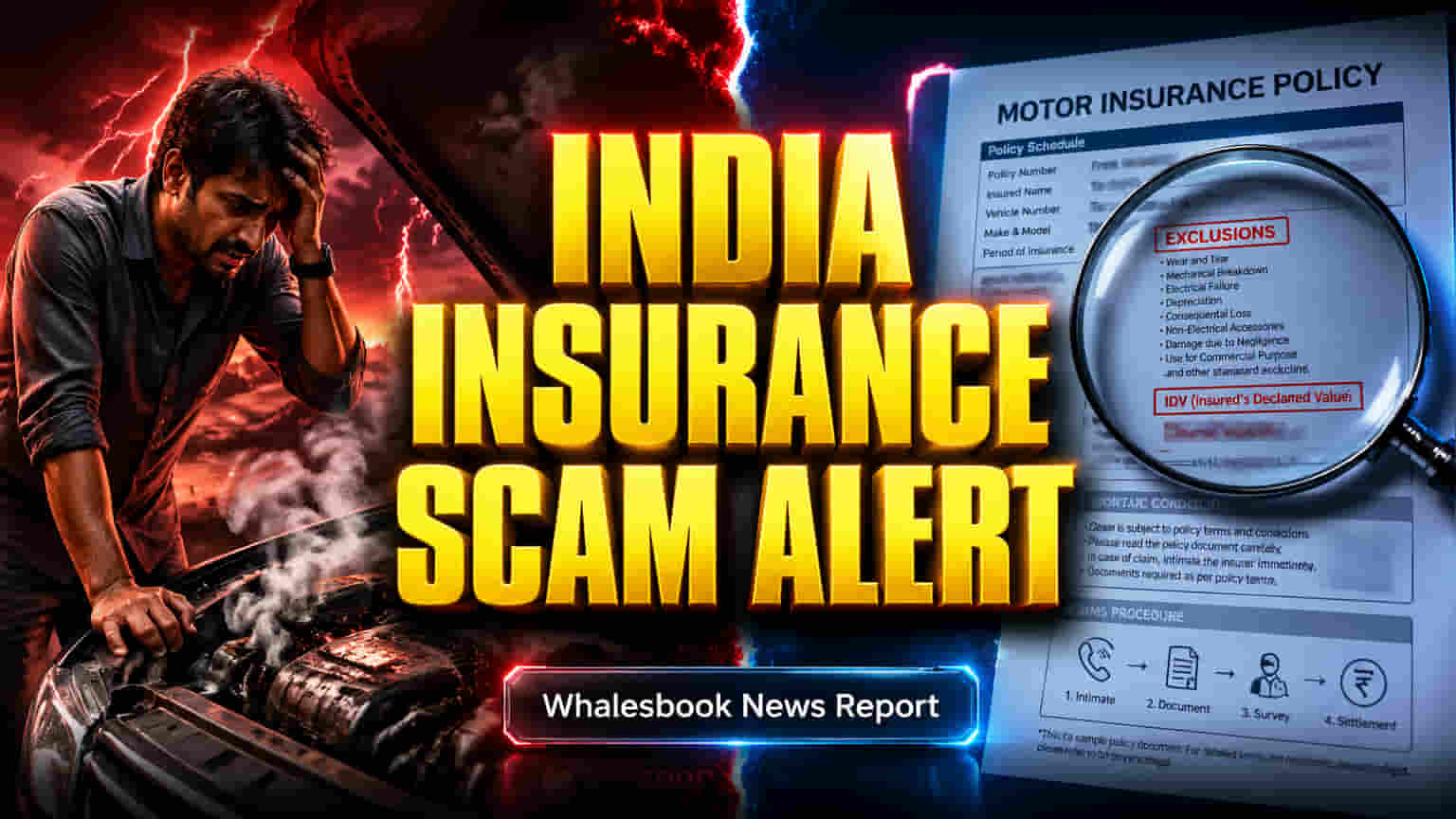


The main driver of mis-selling in India's motor insurance is its commission system. Agents and brokers often rely heavily on first-year commissions. This setup encourages them to prioritize quick sales over ensuring a policy fits the customer's needs. Commission rates for private car own damage components can range widely, reportedly from 15% to over 20%, with higher rates for bundled products. This focus on immediate payouts incentivizes selling policies with higher commission margins, even if they are unsuitable or too complicated for the buyer. The goal becomes selling more policies, not keeping customers happy long-term.
Mis-selling takes many forms. Examples include selling only third-party cover as if it were comprehensive, hiding policy exclusions like engine damage, or adding unnecessary extras to boost premiums. Insured Declared Values (IDVs) might be lowered to make prices look better, which then reduces payouts if the vehicle is a total loss. This leads to more customer complaints. Complaints labeled "unfair business practices" – the official term for mis-selling – rose 14% in FY25 to 26,667 cases. The Insurance Regulatory and Development Authority of India (IRDAI) considers mis-selling a "significant concern." The sector's projected growth, from about $9.37 billion in 2025 to over $10.23 billion in 2026, is thus being built on a base that includes many potentially unhappy customers and policies that may lapse.
Mis-selling occurs across various sales channels. Car dealerships sometimes bundle insurance into the total price, making it seem fixed, or require buyers to purchase insurance from specific partners, limiting customer choice. Online comparison sites, while convenient, can also contribute by pre-selecting add-ons or highlighting options that boost revenue. The broad network of agents and brokers, which handle a large portion of the market, are also involved. Even direct insurer marketing and the influence of Original Equipment Manufacturers (OEMs) on dealers can create conflicts of interest that worsen mis-selling problems.
The IRDAI is actively trying to fix these problems. Recent updates to the Insurance Act, via the Sabka Bima Sabki Raksha Bill, 2025, give the regulator new powers. These include setting limits on commissions, defining how they are paid, and requiring insurers to provide clearer information to customers. The goal is to reduce conflicts of interest, especially in bank-tied insurance sales, and promote more open selling practices. While the share of motor insurance complaints out of all grievances slightly decreased from 26.18% in FY23-24 to 24.8% in FY24-25, the continued increase in "unfair business practices" complaints indicates that fundamental change is taking time.
Relying on high upfront commissions and poor disclosure creates broad risks for the market. It builds a system where satisfying customers long-term takes a backseat to hitting immediate sales numbers. This can result in more policies being canceled early and lower overall value for insurers from each customer. It also increases operational costs, which can reduce the returns from insurance products and potentially lead to higher prices for consumers. These ongoing problems also harm the reputation of the entire insurance industry, making it harder to boost overall insurance coverage as intended. Additionally, if commission changes lead agents to focus more on wealthier clients instead of broad market sales, it could alter the risk pool and affect future affordability and sustainability, similar to issues seen in health insurance.
The Indian motor insurance market is expected to grow substantially, with projections suggesting it could reach over $59 billion by 2034. Factors like increasing digitalization, usage-based insurance options, and better consumer awareness of different policy types are positive trends. However, the impact of new regulations on commission structures will be key. Ideas like deferred commissions are being explored to encourage policies that last longer and better sales practices instead of just high volume. Whether these reforms can successfully balance what agents earn with what customers need will shape the market's future. It will determine if India's motor insurance can move towards sustainable, trust-based growth or stay stuck in a pattern of mis-selling and unhappy customers.