 Whalesbook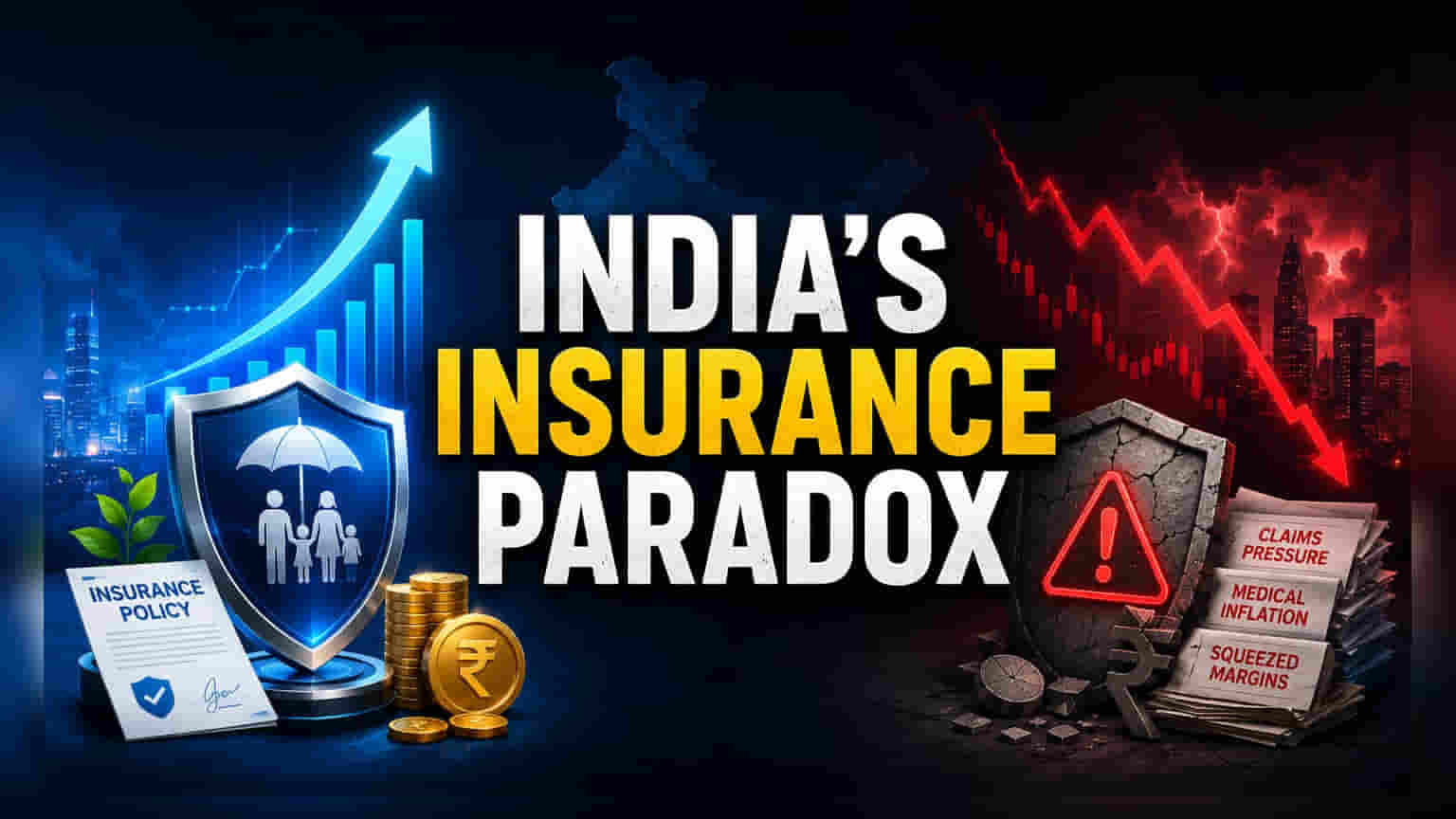


The Efficiency Paradox
While the headline projections of double-digit growth suggest a gold rush, the underlying mechanics of the Indian insurance sector reveal a more complex narrative. The projected 10.7% annual growth is heavily reliant on massive capital expenditure in distribution networks and technology to bridge the significant protection gap. Unlike mature markets where insurance penetration is organic, growth in India requires costly customer acquisition strategies that often compress short-term margins. The focus on hitting volume targets for the Insurance for All by 2047 initiative frequently incentivizes high-churn product lines, which can negatively impact the long-term embedded value for insurers.
The Valuation and Competitive Divide
When comparing Indian insurers to global counterparts, the valuation multiples often reflect a premium for growth that may not be fully justified by current return on equity (ROE) metrics. Most global insurers trade at lower P/E ratios because they operate in stable, saturated environments with predictable claims ratios. In contrast, the Indian market remains highly fragmented. Publicly traded entities such as HDFC Life, SBI Life, and ICICI Prudential are locked in a fierce battle for market share. This competition, combined with the Insurance Regulatory and Development Authority of India's recent push for lower surrender charges and higher surrender value payouts, creates a structural headwind for profitability that is often overlooked in top-line growth projections.
The Forensic Bear Case
Investors should view the optimism surrounding the sector through a lens of cautious skepticism regarding operational risks. The reliance on bank-assurance models, where banks act as the primary distribution channel for insurance products, creates a concentration risk. Should regulators further tighten norms on open architecture or impose stricter commission caps, the cost of acquisition could spike overnight. Furthermore, the health insurance segment, while growing at a projected 12.5%, is historically prone to high claims volatility due to rising medical inflation and insufficient data for accurate long-term risk pricing. A failure to accurately forecast these liabilities in a high-growth environment could lead to reserve deficiencies, forcing insurers to dilute shareholder value through capital raises.
Strategic Outlook
Future profitability hinges on the industry's ability to transition from product-pushing to risk-based underwriting. While regulatory support provides a tailwind for market reach, the winners will be those who successfully leverage data analytics to reduce the loss ratio rather than those who simply accumulate the largest premium base. As the industry scales, the focus will inevitably shift from volume-driven expansion to the quality of the underwriting book, a transition that will likely prune smaller players and reward only those with deep balance sheets and superior claims-processing efficiency.