 Whalesbook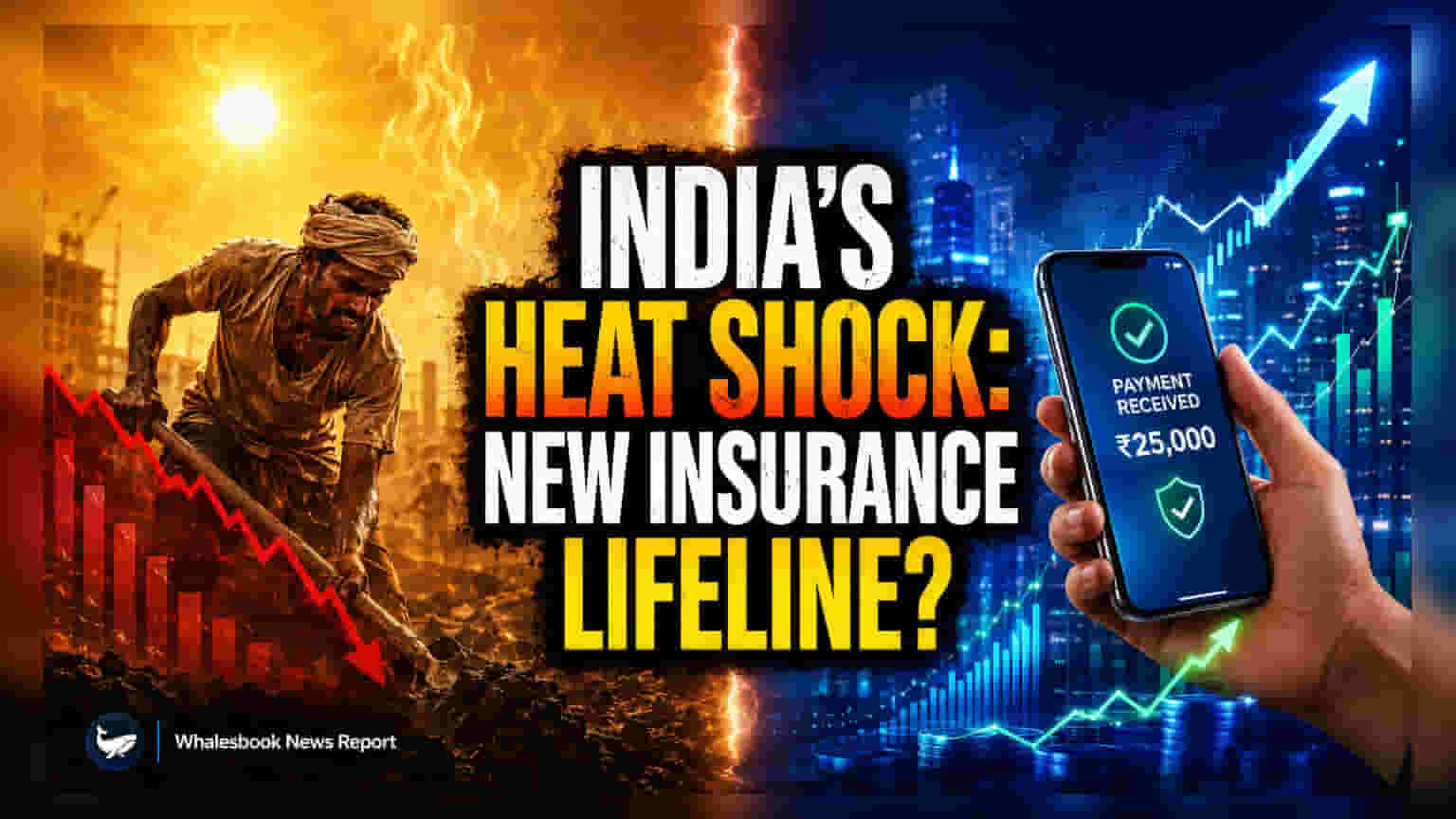


India is looking into parametric insurance to help outdoor workers who lose income during heatwaves.
This type of insurance offers automatic payouts based on weather data, like exceeding specific temperature levels, bypassing traditional claim processes for quicker financial help.
Designing the Triggers
The main difficulty is setting up the right triggers for the insurance. Current heat alerts often use simple temperature readings. However, the real health impact of heat depends on factors like humidity, individual health, and how hard someone is working. Creating a heat index that accurately includes these variables is crucial. It needs to avoid paying out too often, which would hurt insurance companies, or too rarely, which would leave workers unprotected. Similar issues arise with agricultural insurance for drought or heavy rain, where balancing financial stability with farmer support is an ongoing challenge.
Financing the Premiums
Another major obstacle is paying for the insurance. Low-income workers cannot afford the premiums themselves. Early trials have used donations, and future plans might involve contributions from welfare funds, employers, or government bodies. However, many Indian workers are in the informal sector, making it hard to sign them up and check their details. This situation is common in developing countries where social programs struggle to reach informal workers, often needing digital IDs or community efforts. Success usually depends on strong government support and clear policies.
Concerns About Over-Reliance
A key concern is that parametric insurance might create a false sense of security, drawing attention and money away from essential, long-term solutions. Critics suggest that investing in workplace cooling, better public health services, and heat acclimatization programs could provide more lasting protection. Focusing on an insurance product might distract from the urgent need for policy changes that ensure safer working conditions and enforce heat-related labor laws. Without public awareness campaigns and support, the payouts might not lead workers to change behaviors to genuinely reduce heat risks, such as resting during strenuous activity.
The Path Forward
For this to work, state governments need to lead, and all parties, including worker representatives and weather experts, must be involved in the design. Parametric insurance could be a useful safety net for severe heat events, but it should work alongside, not instead of, other solutions. A detailed cost-benefit analysis comparing this approach with investments in infrastructure and public health is necessary to best use resources to tackle India's growing heat crisis.