

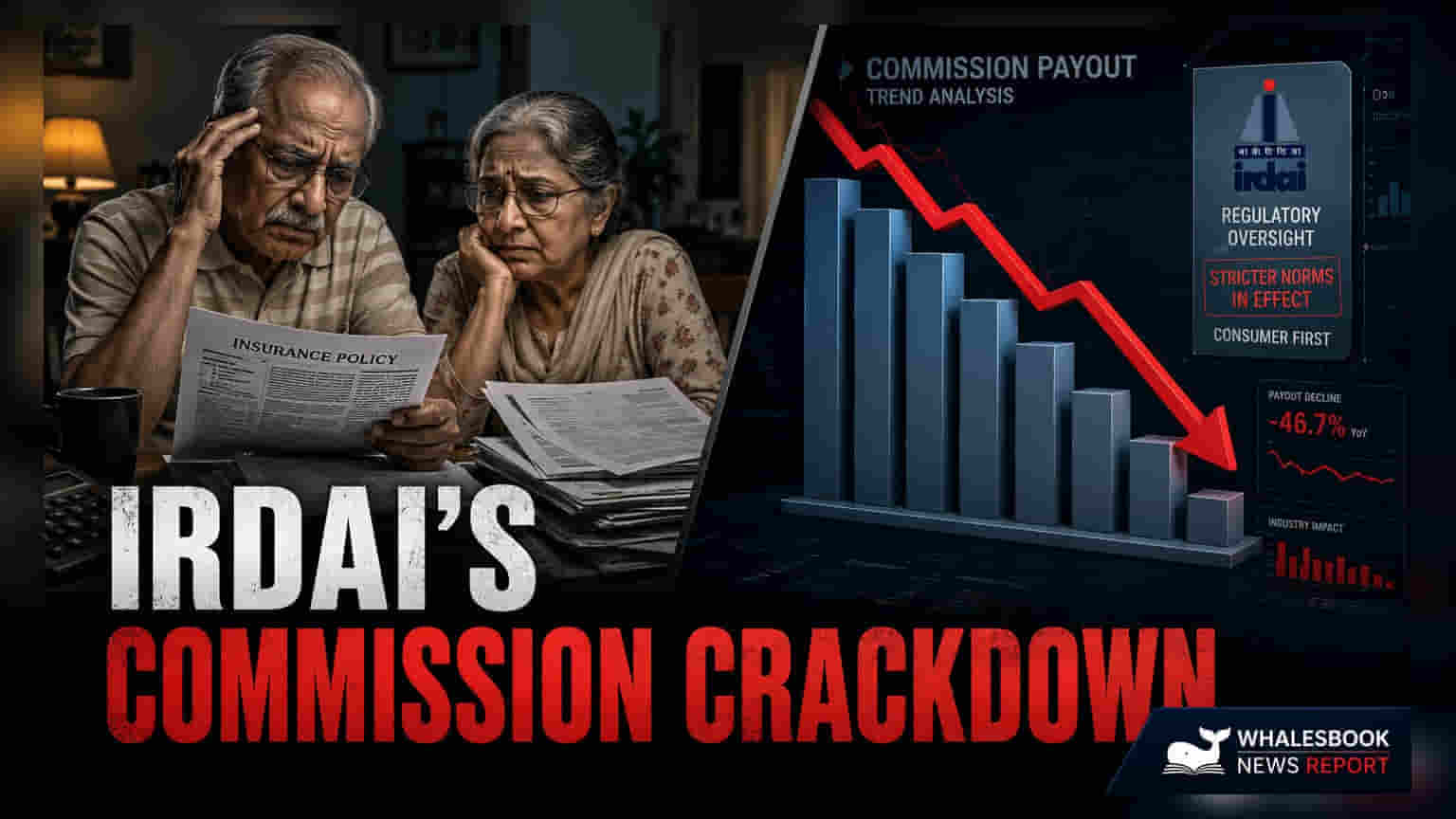
The insurance regulator, IRDAI, is planning to shift agent commissions from high upfront payments to a staggered model. This move aims to reduce policy mis-selling and lower distribution costs across the industry. Investors may watch how this impacts the long-term profitability and sales strategies of major insurance companies.
What Happened
The Insurance Regulatory and Development Authority of India (IRDAI) is planning a major change in how insurance distributors are paid. The regulator is drafting a new framework that will likely move away from paying large commissions upfront. Instead, the proposal suggests spreading these payments over the entire life of the insurance policy. This change is being designed to align Indian insurance practices with global standards seen in markets like the UK and the U.S. The draft for these changes is expected to be released for public feedback in the coming weeks.
Why This Matters For Investors
For insurance companies, the current system of paying heavy upfront commissions has been a standard way to incentivize agents and bank partners to drive high sales volumes. However, this structure is often blamed for mis-selling, where customers are sold policies that do not fit their needs. By shifting to a staggered payout model, the regulator aims to focus the industry on long-term policy retention rather than just initial sales. If implemented, this could change how insurance firms manage their distribution costs and profit margins. Companies that rely heavily on bank partnerships for high-volume, short-term sales may face a shift in their business approach.
Impact On Insurance Business Models
Insurance products often involve high distribution expenses in the first year. In some cases, commissions on life and health products can make up a large percentage of the initial premium. Under the proposed model, the distribution cost will be spread out, which could help companies improve their cash flow management over the long term. Additionally, the regulator is considering linking payouts to the actual effort of selling and servicing a policy. This might favor companies with strong face-to-face advisory teams over those that primarily rely on bundled bank sales.
Market Context And Peer Exposure
The Indian insurance sector, which includes major players such as Life Insurance Corporation of India (LIC), ICICI Prudential Life, HDFC Life, and SBI Life, is currently focused on growing its market penetration. Data from 2024 shows that insurance penetration in India is relatively low at 3.7% of GDP. While this suggests room for growth, the sector is also navigating regulatory efforts to make the market more transparent. Increased disclosure requirements for agents and brokers are also expected, which could add to the operational compliance costs for these firms.
What Investors Should Track
The key monitorables for this update will be the final details released in the IRDAI draft framework, particularly the proposed caps on commissions for different product categories. Investors may also look for management commentary from major insurers regarding how these changes could influence their distribution agreements and long-term profit margins. Understanding whether the industry can maintain sales growth while adapting to a new commission structure will be important.