 Whalesbook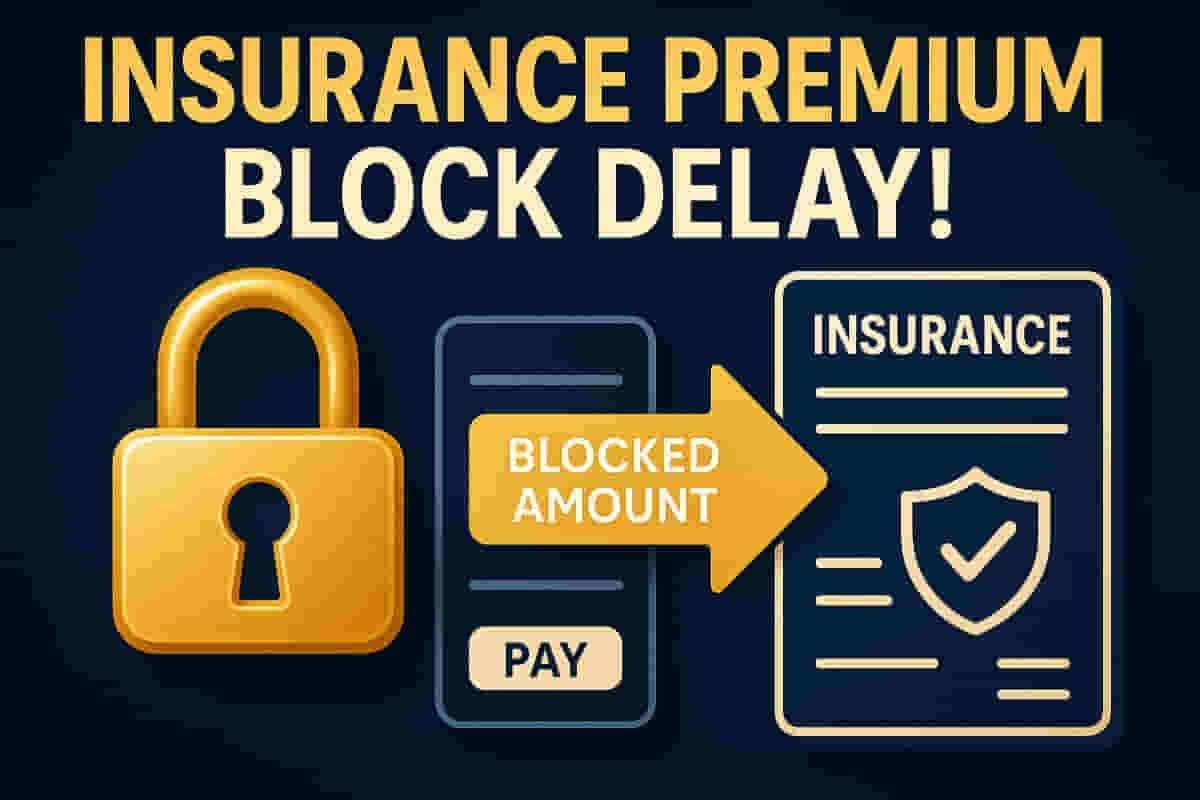
The Insurance Regulatory and Development Authority of India (IRDAI) has set a deadline of March 1, 2025, for all insurance companies to implement Bima-ASBA, a UPI One-Time Mandate (OTM) system designed to block customer premium amounts until their insurance policy is finalized through underwriting. This mechanism is intended to enhance transparency and consumer protection by converting upfront premium debits into blocked amounts that are only debited upon policy acceptance or automatically unblocked if the proposal is rejected or not processed within 14 days.
Despite the approaching deadline, adoption has been remarkably slow, with only Bajaj Allianz Life Insurance and ICICI Lombard having successfully launched the Bima-ASBA system so far. Major industry players are reportedly struggling with implementation due to significant obstacles. Key challenges include the need for deep integration between legacy policy administration systems, banks, UPI providers, and payment aggregators, which requires substantial engineering and contractual agreements. Insurers are also concerned about potential disruptions to their near-term cash flows, as large volumes of premium money could be held in a blocked state, increasing operational burdens related to mandate management and reconciliation.
Banks and UPI providers also need to onboard insurer flows, establish Service Level Agreements (SLAs) for OTM handling, and automate mass unblocking processes. While regulators and industry bodies are in dialogue to resolve these issues and smooth out rollouts, widespread adoption is expected to accelerate only after more large players complete pilot integrations and their systems stabilize.
Impact:
This development is crucial for the operational efficiency and customer experience within the Indian insurance sector. Successful implementation of Bima-ASBA can build greater trust and reduce customer grievances, potentially leading to increased policy sales and improved market sentiment for the sector. The slow adoption, however, highlights systemic challenges that could affect the financial performance and technological modernization of insurance firms.
Rating: 7/10
Difficult Terms:
UPI One-Time Mandate (OTM): A UPI feature allowing users to authorize recurring or one-time future debits from their bank account for specific services, like subscriptions or scheduled payments, without needing manual approval each time.
Underwriting: The process insurance companies use to assess the risk of insuring a person or asset, determining whether to accept the risk and at what premium.
ASBA (Applications Supported by Blocked Amount): A process used in Indian IPOs where investors block funds in their bank accounts to pay for shares they applied for, with funds only debited if shares are allotted.
Legacy infrastructure: Older IT systems and hardware that are still in use but may be outdated, complex to maintain, and difficult to integrate with newer technologies.
Cash flow: The net amount of cash and cash-equivalents being transferred into and out of a company. Positive cash flow means more money is coming in than going out.
SLAs (Service Level Agreements): Contracts between service providers and customers that define the level of service expected, including performance standards, responsibilities, and remedies for failure.