

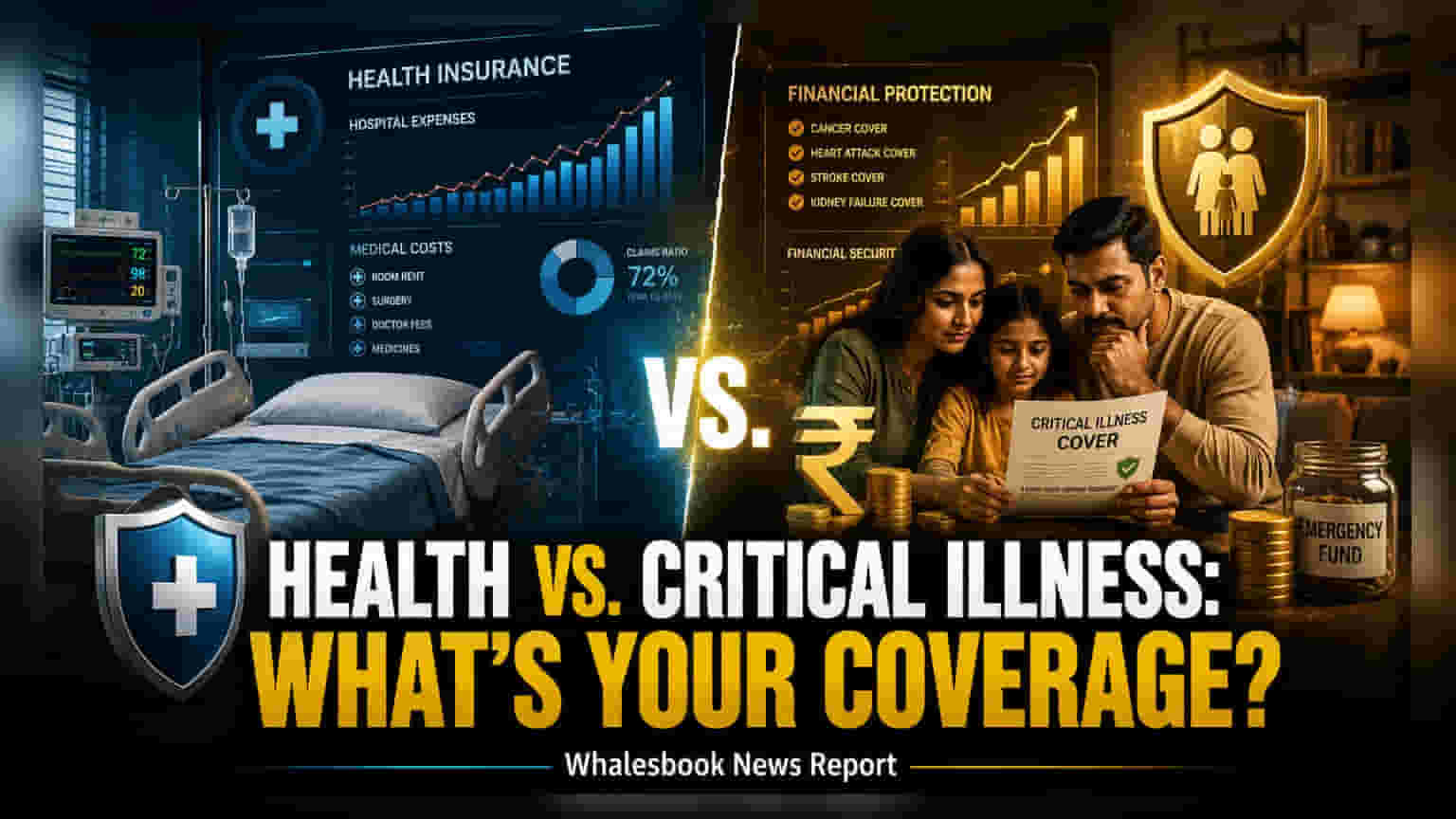
While standard health insurance covers hospital bills, critical illness plans offer a lump sum for non-medical costs. This extra layer of protection can help replace lost income and manage debt if a major health crisis occurs.
Detailed Coverage
Managing personal finances involves planning for medical emergencies, yet many people rely solely on standard health insurance. While these policies are essential for covering hospitalization, surgery, and doctor fees, they often leave a significant gap in financial protection. A serious medical diagnosis can bring costs that go well beyond the hospital invoice.
The Financial Impact of Serious Disease
When a person is diagnosed with a condition like cancer, a stroke, or heart disease, the economic impact often includes more than just treatment costs. Many patients face a long recovery period where they cannot work, leading to a sudden loss of income. Other expenses can include the cost of travel to specialized clinics, long-term medication, and home care. Standard health insurance typically does not pay for these out-of-pocket living expenses or the loss of salary.
How Critical Illness Cover Works
Critical illness insurance is designed as a specialized product that pays out a lump sum of money upon the confirmed diagnosis of a covered condition. Unlike standard health insurance, which usually requires the submission of hospital bills to get reimbursed or settled, a critical illness payout is paid directly to the policyholder. This money provides financial flexibility, allowing families to use the funds to pay off loans, manage household bills, or cover educational expenses while the patient focuses on recovery.
Determining the Right Coverage
Choosing between these two types of insurance is not a matter of picking one over the other, as they serve different purposes. Health insurance acts as a primary safety net for medical bills. Critical illness cover acts as an income-protection layer. Individuals with dependents, large outstanding loans, or limited emergency savings may find that critical illness insurance provides necessary stability. On the other hand, those with substantial savings or different forms of income protection may need to evaluate if the extra premium is justified for their specific risk profile.
What to Monitor Before Purchasing
Before adding critical illness insurance to a financial portfolio, it is essential to look beyond marketing brochures. Policy documents contain specific lists of covered illnesses, mandatory waiting periods before a claim can be made, and survival clauses that dictate how long a policyholder must live after diagnosis to qualify for the payout. Understanding these definitions is more important than the total number of illnesses a plan claims to cover. Investors should verify these terms in the official policy document to ensure the coverage actually matches their financial needs during a potential recovery phase.