

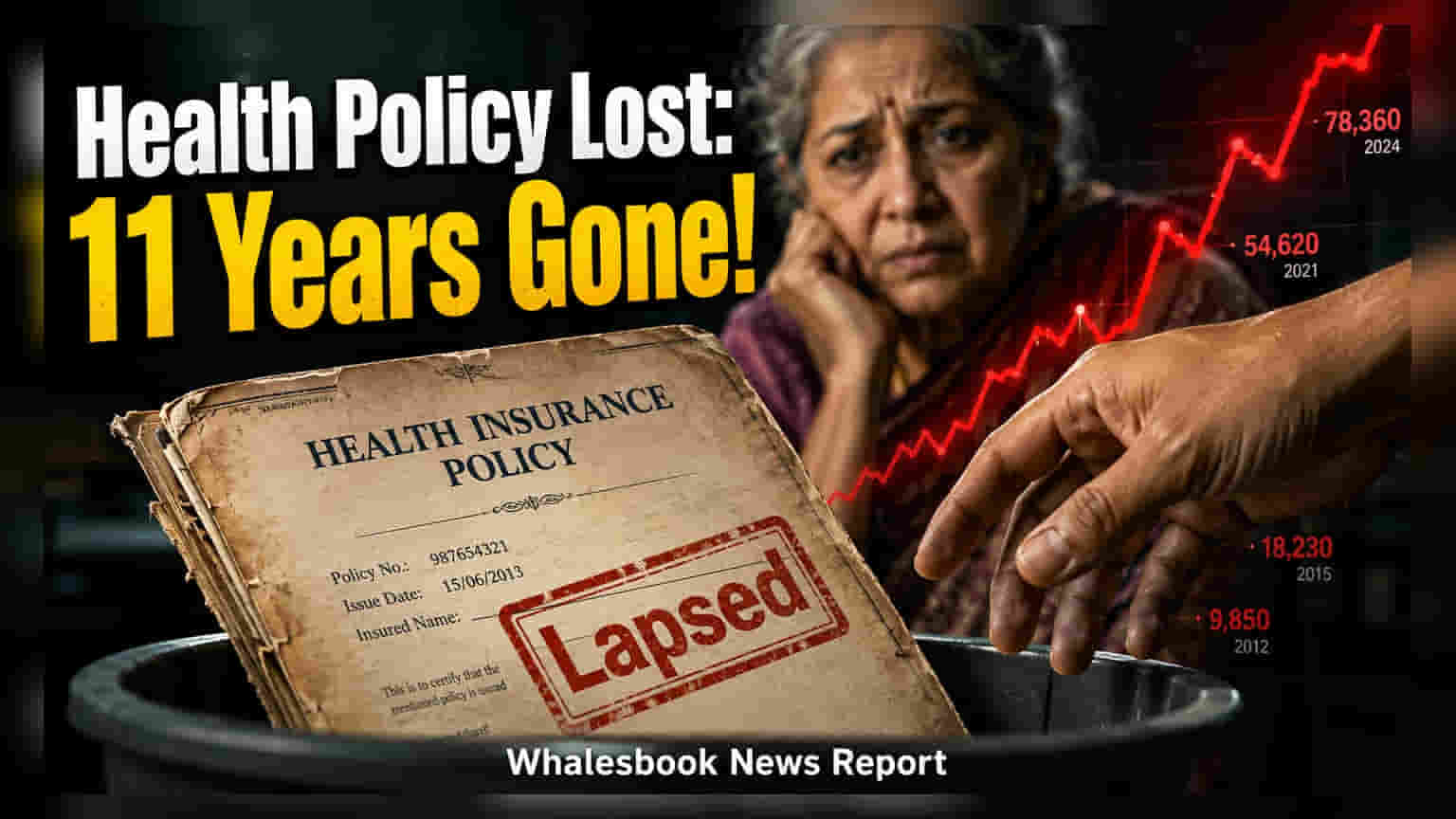
A policyholder's lapse of an 11-year-old health insurance policy illustrates the severe financial impact of breaking continuous coverage. Investors should note that losing cumulative benefits, completed waiting periods, and lifelong renewability wipes out over a decade of accrued value, leading to significantly higher costs and restricted coverage later in life.
For every investor, protecting their portfolio often starts with protecting their personal financial health. A recent case highlights a critical but often overlooked risk: the financial damage caused by lapsing a long-term health insurance policy. While this is not a corporate event, it serves as a vital lesson in personal finance management that can directly impact an investor's ability to stay invested during a health crisis.
The Hidden Cost of Lapsing Coverage
When an individual lets a health insurance policy lapse after 11 claim-free years, they do not just lose the policy; they lose years of accumulated value. Many investors view insurance solely as a monthly or annual expense, ignoring the "invisible" benefits that build up over time. In this case, the policyholder lost a cumulative bonus, which is a feature where the sum insured increases annually for every claim-free year. By breaking the cycle, that effectively larger insurance cover vanished.
More importantly, the policyholder lost the credit for completed waiting periods. Health insurance policies typically have waiting periods for pre-existing conditions and specific treatments. Once a policyholder completes these, they are fully covered for those conditions. By allowing the policy to lapse, the individual effectively reset their waiting periods to zero. This means if they buy a new policy now, they will have to wait another few years before they can claim for those specific conditions, leaving them vulnerable to out-of-pocket medical expenses during that gap.
Why Investors Should Care
For a market participant, a sudden, large, and uninsured medical bill is one of the fastest ways to destroy wealth. When an emergency happens and insurance is absent or restricted, investors are often forced to liquidate their investment portfolios, such as stocks or mutual funds, at potentially the wrong time or at a loss to cover costs. Maintaining continuous, valid health insurance is essentially a defensive investment strategy that protects the rest of one's financial assets.
Furthermore, the Insurance Regulatory and Development Authority of India (IRDAI) mandates lifelong renewability. This right allows policyholders to continue their coverage without fresh medical assessments as long as they pay premiums on time. When a policy lapses, the insurer is not obligated to restore the original terms. Attempting to purchase a new policy at an older age—in this case, 50 years old—often triggers a fresh, rigorous underwriting process. Insurers may charge higher premiums due to the increased risk associated with age, demand mandatory medical tests, or even exclude certain health conditions from coverage entirely.
Managing the Risk
The most effective way to avoid this financial trap is through simple administrative discipline. Investors should treat insurance premium payment dates with the same level of priority as other financial obligations like SIP dates or tax filings. Most insurers provide a grace period after the due date, but relying on this is risky. Maintaining a calendar alert for renewal dates and ensuring the policy is active are critical steps to prevent the loss of accumulated benefits and to avoid the higher, often prohibitive, costs of starting anew.