

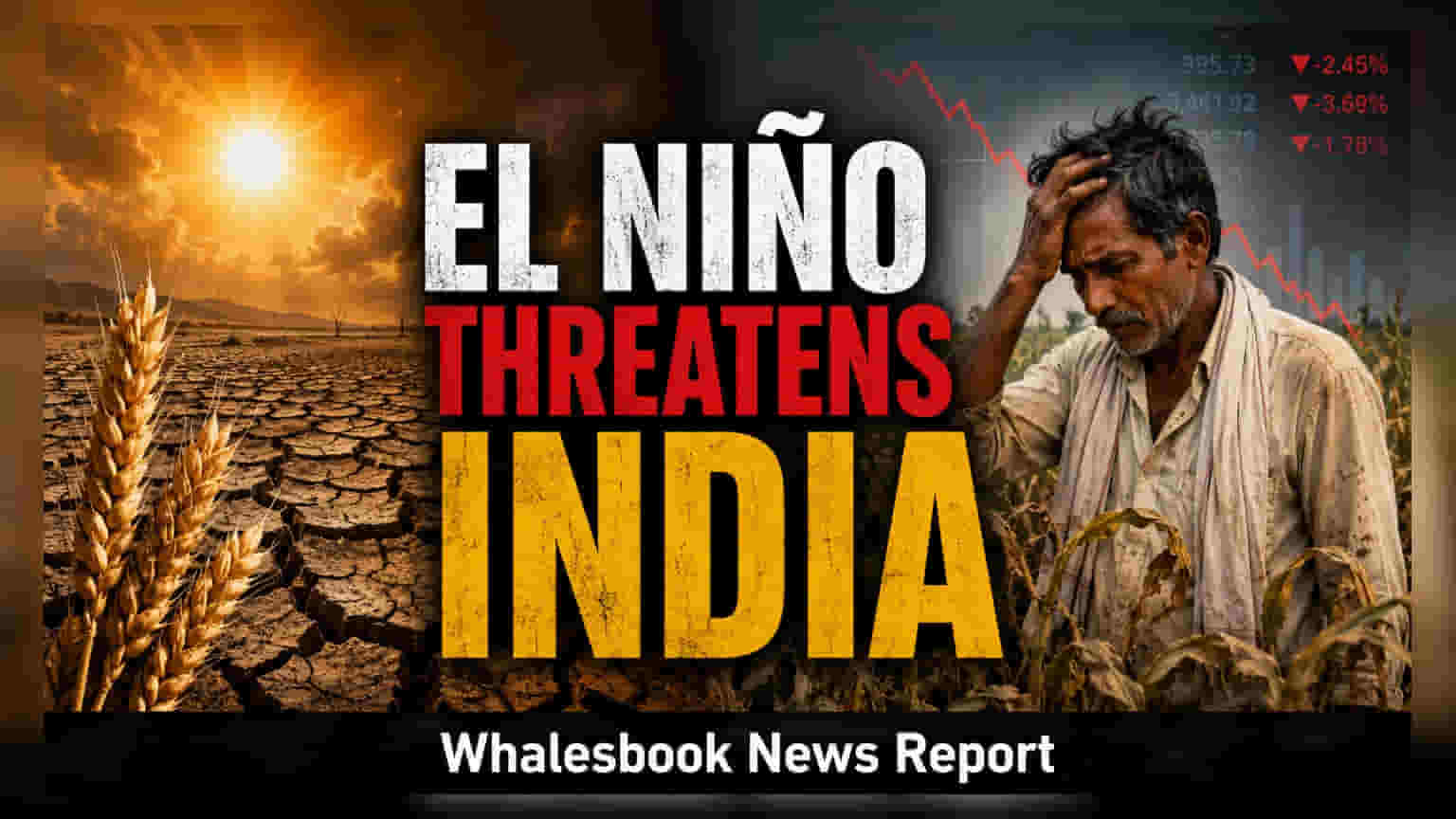
Erratic weather patterns linked to El Niño are creating financial risks for Indian agriculture, MSMEs, and logistics. Insurance solutions, including parametric and business interruption coverage, are becoming essential tools for managing these economic disruptions and protecting operational continuity.
Detailed Coverage
The warming of Pacific sea temperatures, known as El Niño, is increasingly viewed as a material economic risk for India. By disrupting the predictability of monsoon cycles, this phenomenon leads to extreme heatwaves and uneven rainfall, creating direct challenges for key sectors that drive the country's economy.
Impact on Agriculture and Rural Incomes
Agriculture remains the most visible victim of climate volatility. Because the sector relies heavily on seasonal rains, any deviation from historical averages can lead to lower crop yields and reduced rural spending power. Crop insurance serves as a primary hedge, helping farmers manage the risk of total loss when weather conditions prevent successful harvests. For investors, the health of rural-focused companies often tracks closely with agricultural output, making these financial safeguards vital for maintaining stable demand in those regions.
Evolution of Risk Coverage
Beyond traditional indemnity policies, the industry is seeing a shift toward parametric insurance. These products are structured to pay out automatically when specific weather thresholds—such as a certain level of rainfall deficiency or temperature spike—are met. This model is particularly beneficial for logistics and manufacturing firms that cannot afford the long delays associated with traditional damage assessments. By providing near-instant liquidity, these tools help businesses cover the costs of sudden operational downtime.
Risks to MSMEs and Supply Chains
India's Micro, Small, and Medium Enterprises (MSMEs) operate with tighter margins and less cash on hand than large corporations, making them highly susceptible to weather-related shocks. Disruptions to power infrastructure, flooded transport routes, or heat-induced labor shortages can halt production for weeks. Comprehensive business interruption insurance is now a standard requirement for firms aiming to protect their balance sheets from these unpredictable events. Companies that lack such protection face the risk of margin erosion and difficulty in servicing their debt during periods of forced inactivity.
Protecting the Modern Workforce
The expansion of the gig economy has introduced a new demographic of outdoor workers vulnerable to extreme heat. With millions engaged in delivery, construction, and transport services, their ability to work is directly tied to weather conditions. Insurance companies are now exploring specialized personal accident and income protection products to cover these workers, which is expected to be a growing segment for insurers over the coming years.
Investors should monitor how insurance providers expand their specialized product portfolios to cover these climate-related risks. The long-term performance of these insurers will depend on their ability to accurately price climate risk and manage the frequency of claims as global weather patterns become more unpredictable.