 Whalesbook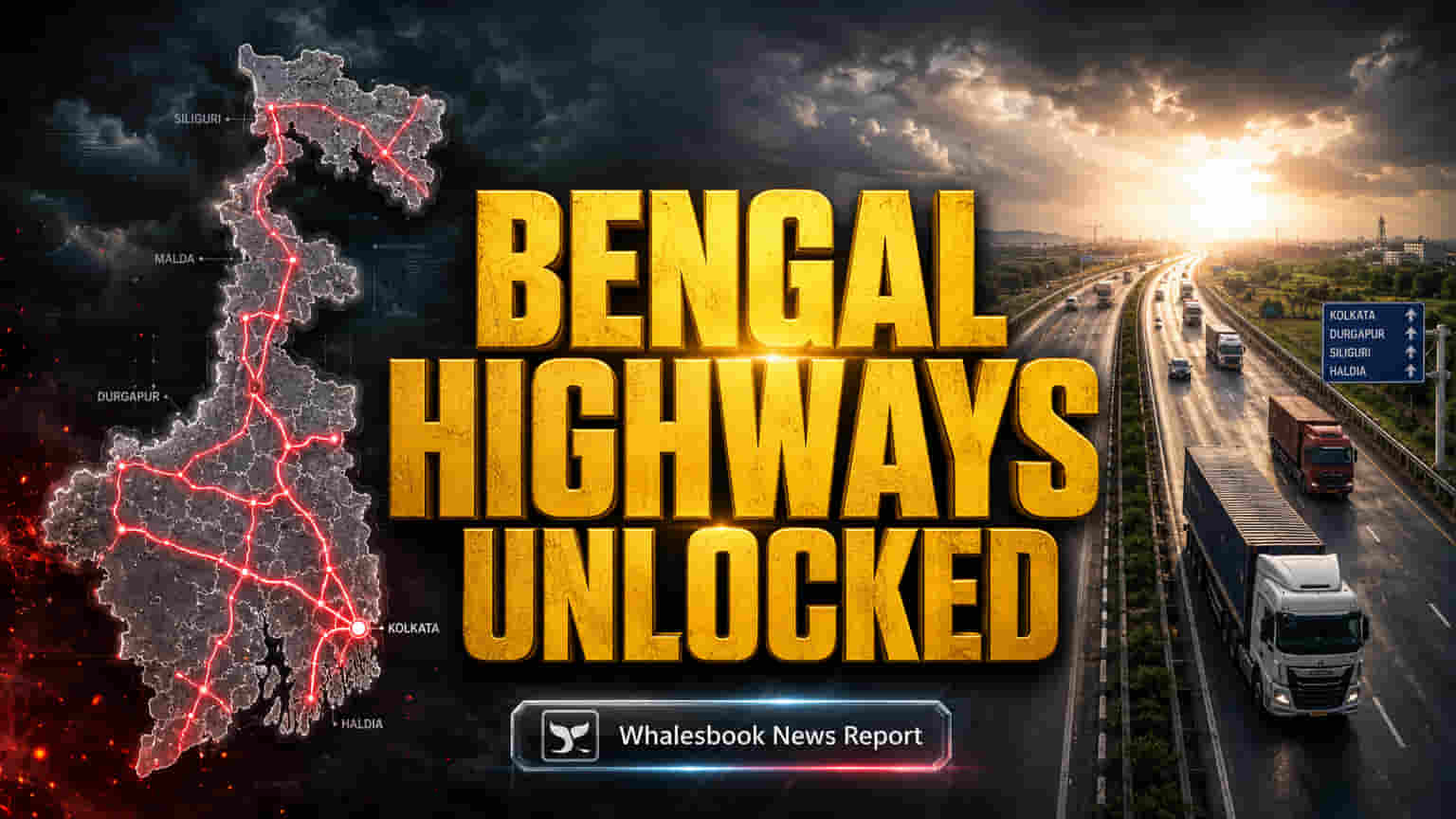


West Bengal's approval to transfer seven national highway stretches to central agencies NHAI and NHIDCL unblocks critical infrastructure projects that have been stalled for nearly a year. This move is expected to speed up development, improve regional connectivity, and boost economic ties in North Bengal and its border areas.
Strategic Connectivity
This handover significantly enhances strategic connectivity. NHAI will manage 329.6 km of NH-312, linking border towns like Jangipur and Basirhat to the India-Bangladesh border. It also includes NH-31 and NH-33, improving routes from Bihar and towards Farakka. NHIDCL will take over key routes such as the Sevoke-Kalimpong stretch (new NH-10), vital for accessing Sikkim. Other NHIDCL responsibilities include the Hasimara-Jaigaon route to the Bhutan border, corridors connecting to Bangladesh via Changrabandha, and the Siliguri-Darjeeling hill road. These upgrades are set to greatly improve links to Sikkim, Bhutan, and Bangladesh, as well as between North Bengal and the Dooars region.
Economic Boost from Road Projects
India's road infrastructure is a major economic driver, with highway construction generating substantial GDP growth and increasing household incomes. National Highways handle about 40% of road traffic despite being only 2-3% of the road network. By clearing stalled works, this approval can stimulate regional economic activity through better logistics, lower transport costs, and smoother trade along border corridors connecting to Bihar, Malda, Murshidabad, Nadia, and North 24 Parganas districts. NHIDCL's role is crucial in challenging terrains and border regions, contributing to cross-border connectivity with Nepal, Bangladesh, and Myanmar.
Execution and Funding Challenges
Despite their importance, Indian infrastructure projects face ongoing challenges. Financing and liquidity issues frequently strain contractors' finances due to delayed payments from government agencies. While models like the Hybrid Annuity Model (HAM) share risks, projects with weaker financial backing can still encounter execution and funding problems. Land acquisition and environmental permits also cause significant delays and higher costs. Past audits, like those by the Comptroller and Auditor General (CAG), have pointed out issues with programs like Bharatmala, including cost increases and problems with contract bidding. NHAI itself faces a large debt load, leading it to pause fundraising and adjust models like Build-Operate-Transfer (BOT) to attract investors and reduce its financial burden. NHAI's project execution pace, though improving, has been slowed by pending start dates and rising commodity prices, impacting developers' profits.
Future Growth Outlook
The Indian road infrastructure sector is expected to grow strongly, with forecasts suggesting a Compound Annual Growth Rate (CAGR) of around 9.50% through FY2032. The government plans extensive high-speed corridors and expressways. Initiatives like asset monetization via Infrastructure Investment Trusts (InvITs) are used to fund new projects and reduce debt. The successful transfer of these highways in West Bengal is a step toward achieving these national infrastructure goals, promising better connectivity and economic growth for the region and its strategic border areas.