

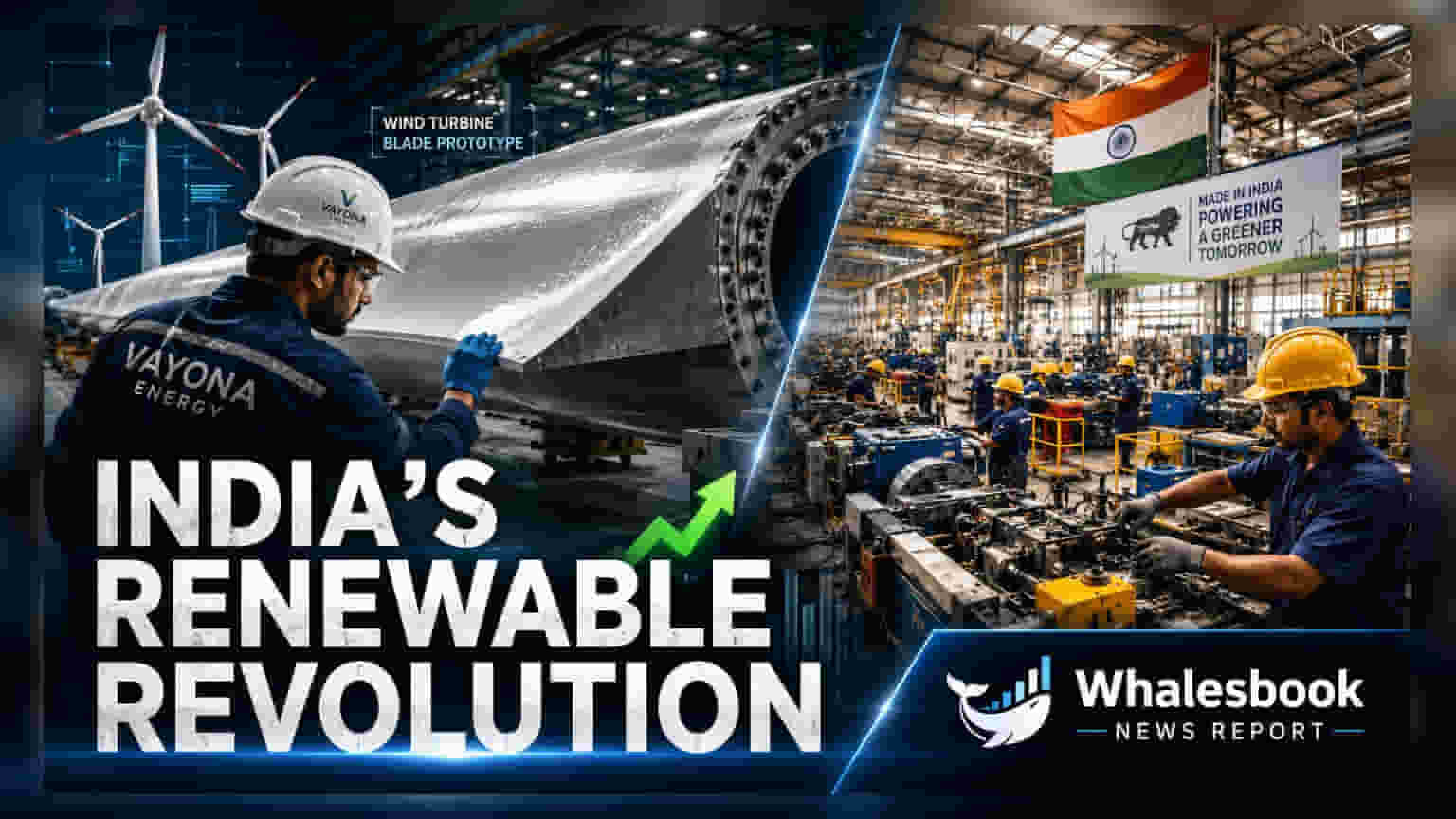
Vayona Energy has begun wind turbine blade manufacturing at its Nellore facility in Andhra Pradesh to support its 3X platform. The company plans to continue phased investments through 2027 to boost local production and supply chain resilience. This expansion, which aims to create 1,500 jobs, marks a key step in building an integrated manufacturing base in India.
Vayona Energy has officially launched blade manufacturing operations at its facility in Nellore, Andhra Pradesh. This move is part of the company's broader effort to increase its production capacity within India and aligns with its 'Make in India' strategy. The new operations are designed to support both the company’s existing 3X platform and its upcoming wind turbine products.
Integrating the Supply Chain
The Nellore plant plays a specific role in Vayona Energy’s local manufacturing roadmap. By producing blades at this site, the company aims to link its production processes more closely with its existing nacelle manufacturing facility in Mamandur. Management stated that this integration is intended to improve delivery timelines and make the supply chain more resilient. For investors, the focus remains on whether this integrated model can effectively reduce logistics costs and improve profit margins over the long term compared to importing components.
Investment and Expansion Timeline
The company has outlined a phased investment plan for the Nellore site that will continue through 2027. These funds are earmarked for installing specialized molds and developing the necessary infrastructure to handle newer, larger turbine components. While this capital spending is a significant commitment, the company expects the facility to generate about 1,500 jobs. A key monitorable for investors will be how efficiently the company manages these ongoing costs and whether the increased capacity leads to faster execution of current and future order books.
Strategic Context and Risks
Expansion projects in the wind energy sector often come with the risk of demand fluctuations and potential delays in project commissioning. The sector in India is highly competitive, and profitability is frequently tied to the company's ability to maintain high utilization rates at its new facilities. Furthermore, because this project involves substantial spending through 2027, shareholders may track the impact on the company's cash flow and debt levels. The success of this facility will depend on the company's ability to secure consistent orders for its 3X platform and manage the execution of these multi-year investments without cost overruns. Investors will likely look for updates in future earnings reports regarding the capacity utilization of the new plant and its contribution to overall revenue.