 Whalesbook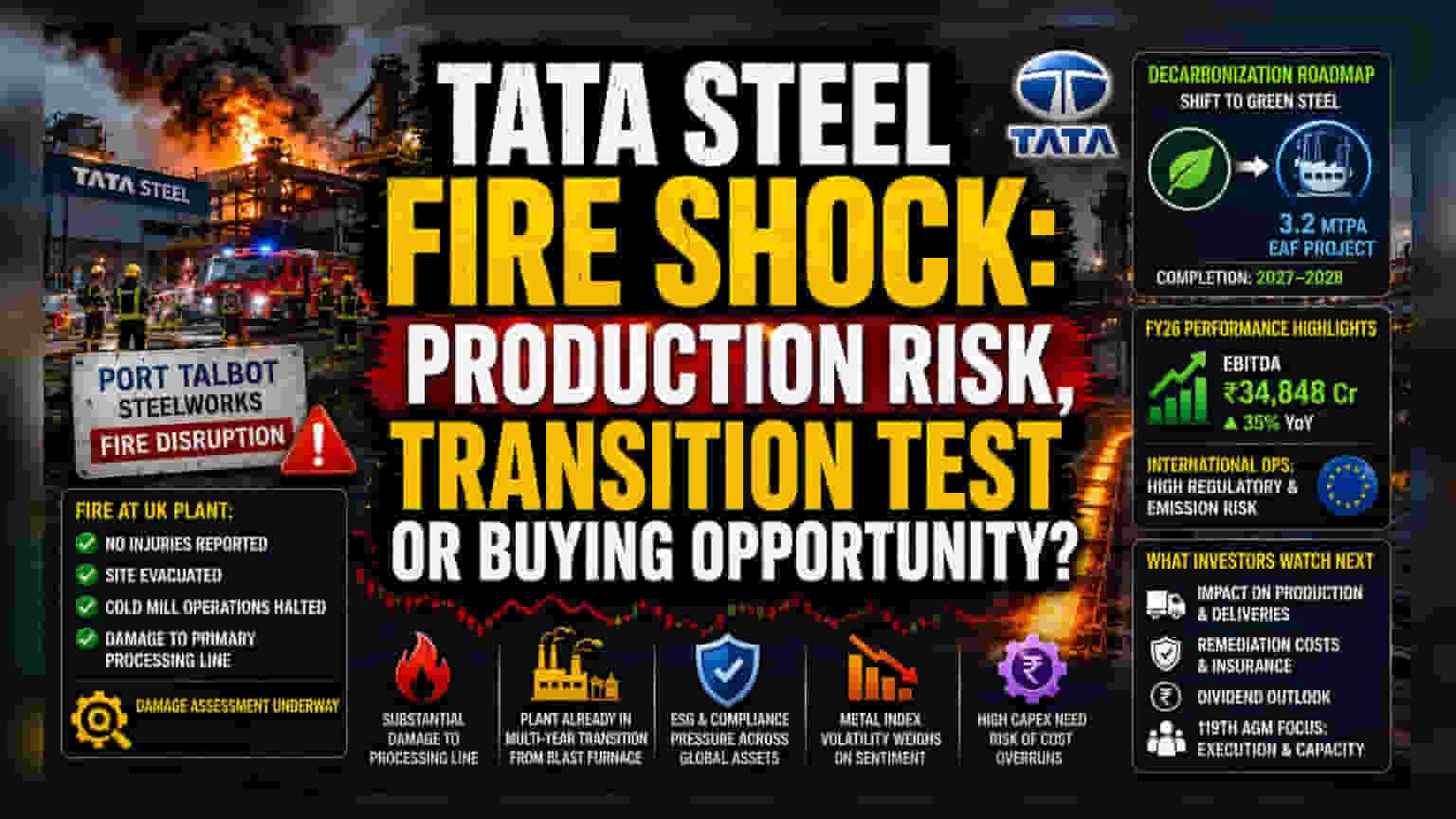


The Operational Impact
The fire at the Port Talbot steelworks represents more than just a localized disruption; it hits a processing line at a time when the facility is already navigating a complex, multi-year shift away from traditional blast-furnace ironmaking. While initial reports from the Mid and West Wales Fire Service and Tata Steel indicate that no injuries occurred and the site was successfully evacuated, the damage to a primary processing line introduces immediate volatility for supply chain commitments. The event occurred mid-week, with emergency crews battling the blaze through Thursday to secure the site. The financial ramifications are currently under evaluation, but the suspension of the Cold Mill operations threatens to temporarily hamper output just as the company attempts to stabilize its UK performance.
The Strategic Valuation Gap
This incident arrives as Tata Steel faces intense scrutiny regarding its aggressive decarbonization roadmap. The company is in the process of replacing aging infrastructure with a 3.2 MTPA electric arc furnace, a project slated for completion around 2027-2028. Recent filings reveal that while the company posted a strong consolidated FY26 performance—with EBITDA rising 35% year-on-year to ₹34,848 crore—its international operations, particularly the European segment, remain subject to high sensitivity regarding regulatory compliance and emission limits. Unlike competitors such as JSW Steel, which has pursued a more aggressive domestic expansion, Tata Steel’s exposure to legacy European assets often creates a valuation discount due to the persistent risk of localized industrial accidents and high transition costs.
The Risk Factors
Investors should view this fire through a lens of structural vulnerability. The company is currently managing complex ESG obligations, including regulatory pressures in its Dutch subsidiary and the significant capital expenditure required to meet its 2045 net-zero emissions target. A fire of this magnitude—described by union representatives as causing substantial damage—tests the resilience of the company’s enterprise risk management framework. Past reliance on aging, carbon-intensive infrastructure means that any prolonged downtime not only threatens current-quarter realizations but also increases the pressure on management to execute the transition without further capital blowouts. The market is already monitoring this against a backdrop of wider volatility in the metal index, which has seen cumulative declines in recent months, making the timing of this outage particularly inopportune for the stock’s momentum.
Forward Outlook
Brokerage sentiment remains bifurcated; while some analysts focus on the strong recovery in Indian operations, others remain cautious regarding the execution risks associated with the UK decarbonization effort. As the company approaches its 119th Annual General Meeting in July 2026, the primary focus will likely shift from the fire itself to the long-term impact on production capacity and the ability to maintain the current dividend trajectory while absorbing unexpected remediation costs.