 Whalesbook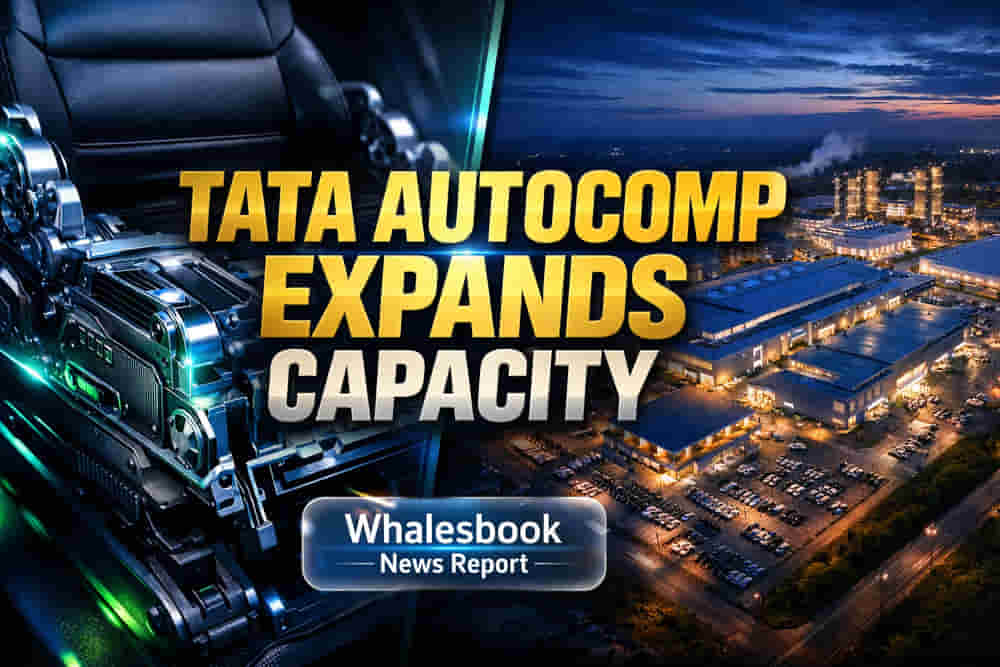
1. THE SEAMLESS LINK (Flow Rule):
This performance underscores a strategic shift towards advanced manufacturing capabilities designed to meet the evolving demands of next-generation mobility platforms in India. The inauguration of these state-of-the-art facilities signifies more than just an increase in production capacity; it represents a proactive alignment with industry trends towards sustainability and electrification.
2. THE STRUCTURE (The 'Smart Investor' Analysis):
Future-Forward Capacity Expansion
Tata AutoComp Systems has significantly enhanced its manufacturing footprint with the inauguration of two new plants in Sanand, Gujarat, on January 30, 2026. These facilities, dedicated to TM Automotive Seating Systems Private Ltd and TACO Air International Thermal Systems Private Ltd, are engineered to support Original Equipment Manufacturers (OEMs) like Tata Motors, as well as bolster export operations. This expansion is strategically positioned to cater to the increasing demand for components compatible with electric vehicles (EVs) and other advanced mobility platforms. The company's CEO, Manoj Kolhatkar, highlighted that these "future-ready plants are designed to advance sustainability and deliver auto component solutions aligned with next-generation mobility platforms in India". This move aligns with India's broader automotive sector goals, which include a substantial increase in EV sales and a focus on sustainable manufacturing practices.
Deepening OEM Partnerships Amidst Sector Growth
The Indian auto component industry is projected for robust growth, with revenue expected to expand by 8-10% in FY2026. Tata AutoComp's expansion directly addresses the need for enhanced supply chain capabilities to support this growth and the evolving needs of OEMs. Sudhir Chikhle, Chief Purchasing Officer at Tata Motors Ltd (PV & EV), noted Tata AutoComp's consistent reliability and responsiveness as a "valued partner". The new plants' focus on sustainability and next-generation platforms is particularly crucial, as Tata Motors is aggressively pursuing its EV strategy, aiming for significant EV penetration in its portfolio by FY2030 and investing heavily in battery manufacturing. The Sanand location offers strategic advantages, including proximity to key customers and a strong vendor ecosystem, enabling deeper localization, faster lead times, and a more resilient supply chain. Tata AutoComp's business units, like TACO Air International Thermal Systems, are developing crucial components such as battery thermal management systems, directly supporting EV development.
Risk Factors: Navigating Industry Volatility and Technological Shifts
While the expansion is a positive development, the auto component industry faces inherent challenges. Supply chain disruptions, influenced by geopolitical events like the Red Sea crisis, and fluctuating raw material prices remain significant concerns. Furthermore, the rapid technological transition towards EVs and autonomous vehicles requires continuous investment in R&D and advanced technologies, which can strain resources for companies, especially those in the MSME sector. Although Tata AutoComp is a well-established entity within the Tata Group, its competitors such as Cummins, Uno Minda, and Motherson Group are also actively involved in advanced technology development. A key risk for the sector is the continued reliance on imports for critical components like EV battery cells, which constitute a substantial portion of an EV's cost, despite efforts towards localization. The company's growth strategy, including potential further plant establishments across India, will require substantial capital expenditure. Additionally, the industry must navigate evolving regulatory landscapes and increasing global competitiveness, where capability gaps in advanced technologies could undermine market standing.
3. THE FUTURE OUTLOOK:
Tata AutoComp Systems has outlined plans to establish several additional plants across India this year, further solidifying its manufacturing capacity and footprint. This ongoing expansion is geared towards meeting future automotive industry requirements and reinforcing its support for OEM partners navigating evolving platform demands. The company's strategic focus on sustainability and next-generation mobility platforms positions it to capitalize on the projected growth of the Indian automotive component sector, which ICRA forecasts to grow by 8-10% in FY2026. The integration of advanced technologies and a commitment to localization are key to maintaining its competitive edge amidst a dynamic global market.