

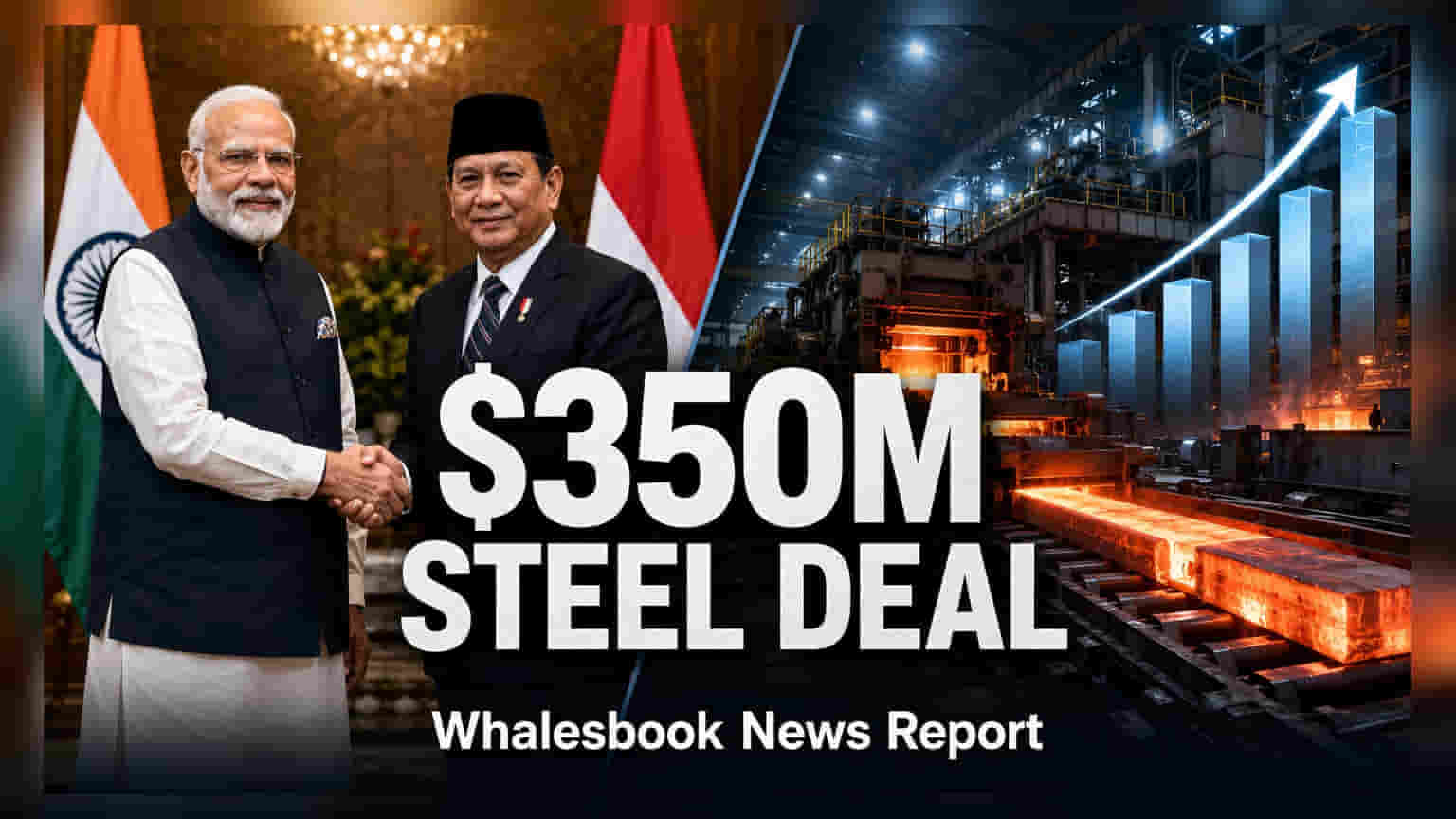
Steel Authority of India (SAIL) and Indonesia's Krakatau Steel aim to invest $350 million in a new stainless steel slab plant. This project seeks to secure raw materials for SAIL's Salem facility, helping address domestic supply needs amid rising Indian steel consumption.
Steel Authority of India (SAIL) is collaborating with Indonesia’s Krakatau Steel to establish a stainless steel slab manufacturing plant in Indonesia. The proposed joint venture involves a capital investment of approximately $350 million. The facility is designed to have an initial annual production capacity of 500,000 metric tons, with project timelines targeting operational status within three to four years.
Strategic Supply and Integration
Under this arrangement, SAIL plans to source the entire slab output from the Indonesian plant to feed its Salem steel unit in Tamil Nadu. The Salem plant, which specializes in stainless steel, will focus on rolling and finishing these imported slabs for domestic consumption. While the primary goal is to serve the Indian market, management is evaluating potential export avenues to regions like the Middle East and Europe for surplus production. A dedicated technical team from SAIL is expected to travel to Indonesia next month to complete a feasibility study, which will determine the final equity split and the necessary regulatory approval timelines.
Market and Operational Context
This project comes at a time when India is looking to strengthen its steel supply chain. Domestic finished steel consumption has increased by 55% over the last five years, growing at a faster rate than local production. By setting up production capacity overseas, SAIL is attempting to secure a consistent supply of raw materials, a strategy often used by large steelmakers to reduce dependence on volatile global spot markets.
However, investors should consider the challenges inherent in international joint ventures. The project faces typical risks associated with cross-border operations, including regulatory changes in Indonesia, potential cost overruns during construction, and the complexities of international logistics and shipping for raw steel. Additionally, the profitability of the venture will depend on the final cost of production in Indonesia versus the landed cost of importing these slabs into India compared to local sourcing.
Sector Environment and Next Steps
Indian steel companies currently face a competitive environment, dealing with export pressure due to trade restrictions in key markets like Europe and the UK. Furthermore, the domestic sector continues to manage the impact of competition from lower-priced steel imports. Investors should track the progress of the upcoming feasibility study, as it will provide clearer insights into the project's financial structure and the specific impact on SAIL’s balance sheet. Future updates regarding the final investment decision and any changes in the regulatory landscape in either country will be key factors for monitoring the project's long-term viability.