

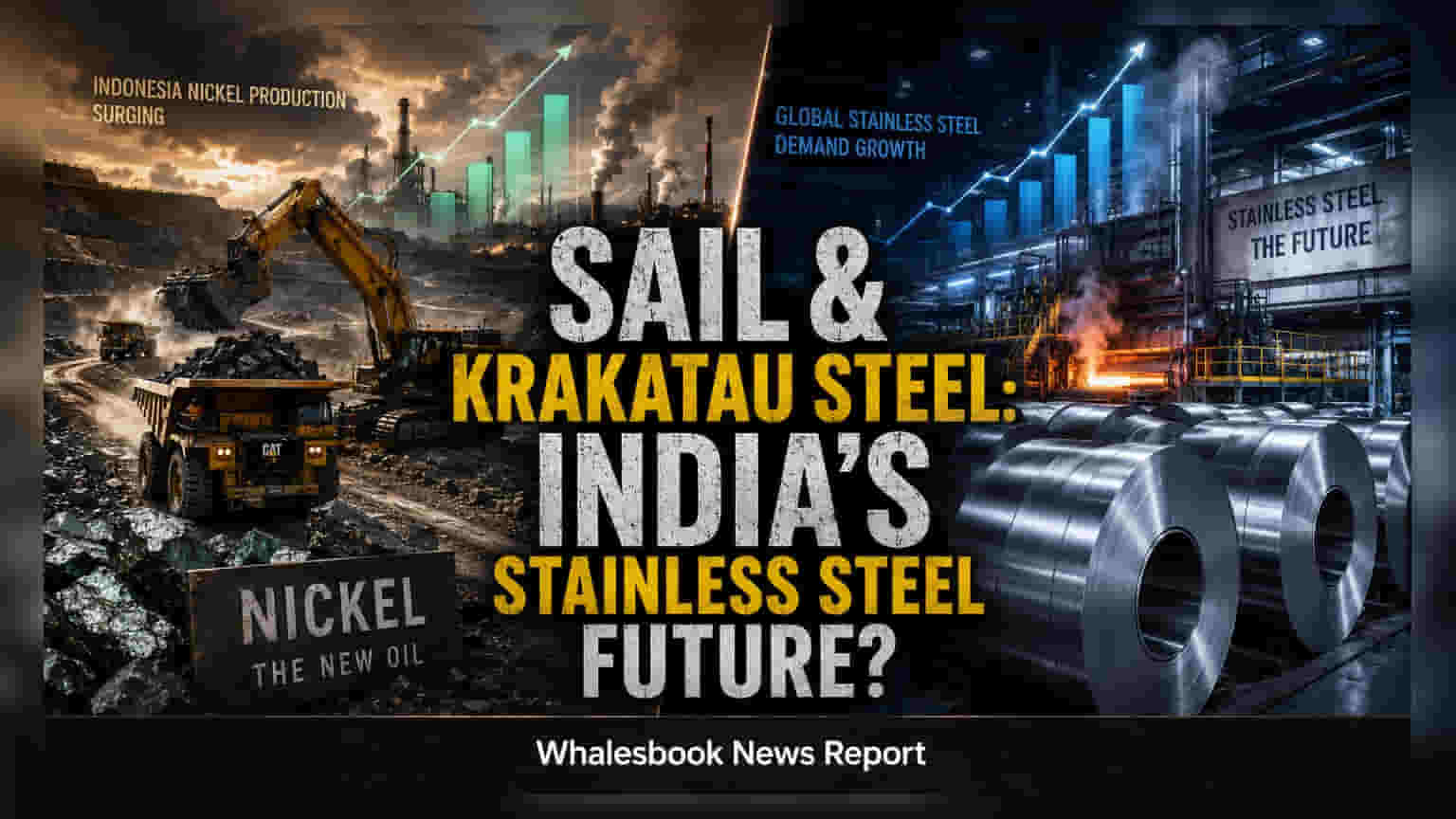
Steel Authority of India (SAIL) is in talks with Indonesia's PT Krakatau Steel for a joint venture to produce up to 1 million tonnes of stainless steel slabs annually. The project aims to utilize Indonesia’s nickel reserves to lower production costs for SAIL’s Salem Steel Plant. The plan remains in the early feasibility stage.
Steel Authority of India Limited (SAIL) is exploring a strategic partnership with Indonesia’s PT Krakatau Steel to establish a stainless steel production facility. The proposed joint venture aims to produce between 500,000 and 1 million tonnes of stainless steel slabs every year. This initiative is currently in the discussion phase, following an initial memorandum of understanding between the two companies.
Strategic Access to Raw Materials
The primary motivation behind this potential collaboration is access to raw materials. Indonesia possesses large reserves of nickel, which is a critical ingredient in making stainless steel. By manufacturing slabs in Indonesia, SAIL hopes to benefit from lower production costs. Once produced, these slabs would be imported to SAIL’s Salem Steel Plant in Andhra Pradesh, where they would be processed into finished stainless steel products for various industries, including automotive, chemicals, and nuclear energy.
Financial and Operational Context
For investors, the success of this project depends heavily on the outcome of pending feasibility studies. While the potential for cost reduction is clear, the actual impact on SAIL’s profit margins will depend on future investment requirements, logistics costs, and any import duties or trade regulations that may apply to steel slabs entering India. As a public-sector company, SAIL often deals with high capital expenditure requirements, so the funding structure and the share of equity in this joint venture will be important factors to monitor as details emerge.
SAIL has historically faced competitive pressure in the stainless steel segment, particularly from private players who have been aggressive in capacity expansion and technology upgrades. This move toward securing raw material supply reflects a broader effort by the company to defend its market share and improve operational efficiency. However, because the project is in early discussions, there is no immediate change to the company’s current production capacity or financial standing.
Monitoring Project Progress
Investors should track the progress of this project through future exchange filings. Key areas to watch include the final investment commitment, the timeline for setting up the facility, and any government approvals required from both India and Indonesia. Because this is a long-term infrastructure project, any delays in implementation or changes in the global price of nickel could affect the expected benefits of this collaboration. The company’s ability to manage its debt levels while undertaking such international capital spending will also remain an important metric for shareholders to observe.