 Whalesbook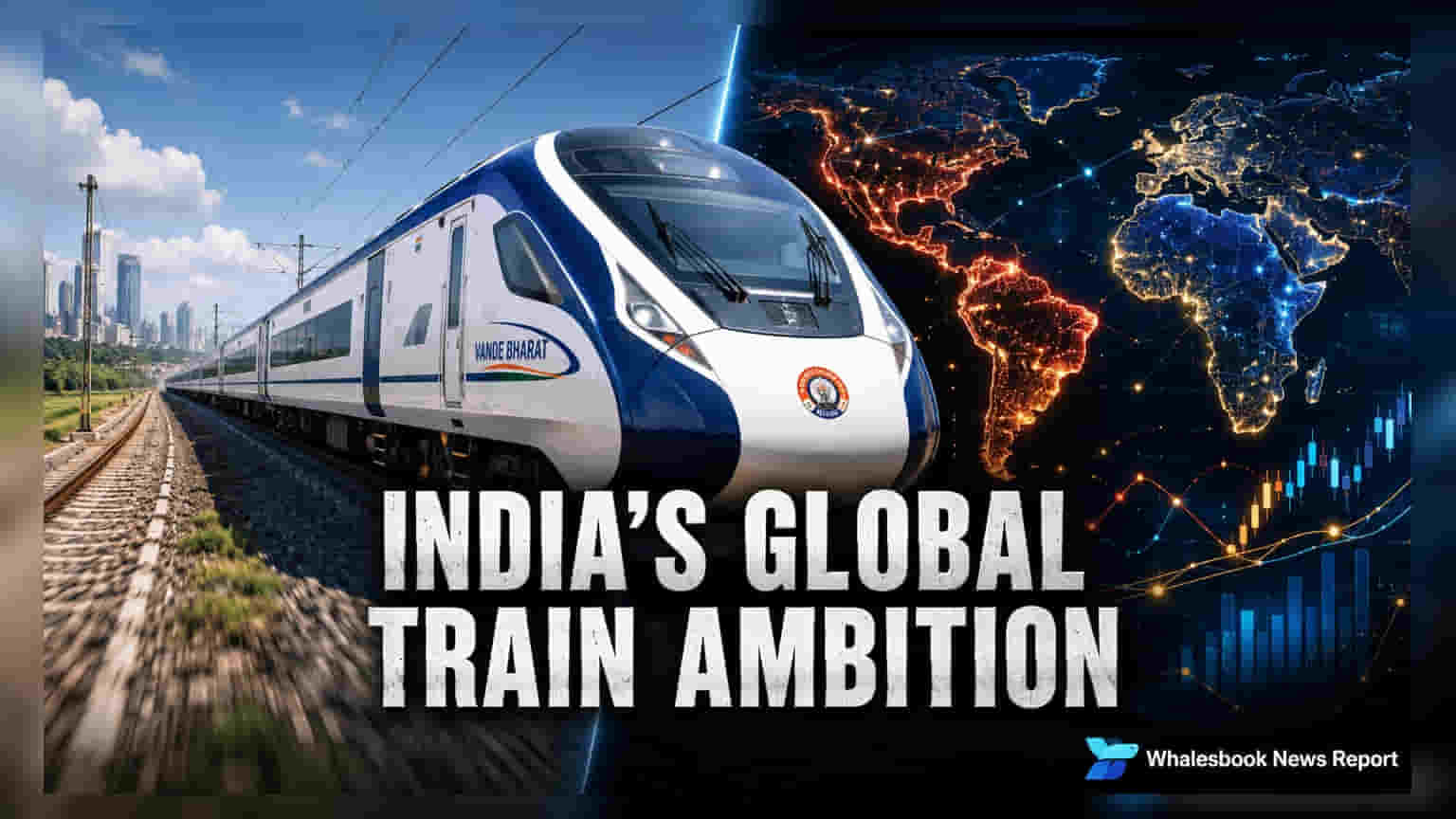


Adapting for Global Markets
RITES Ltd is fast-tracking the development of a standard-gauge Vande Bharat Express, marking a significant move from a domestic supplier to an international contender in high-speed rail. Most global rail networks use standard gauge, making India's current broad-gauge Vande Bharat unsuitable for widespread export. By modifying the train, RITES plans to target electrified routes in Africa and Latin America, regions experiencing growing demand for efficient and affordable passenger transport.
Global Competition and Hurdles
This export drive aims to increase RITES' international revenue, which currently lags behind its domestic consultancy and quality assurance services. However, breaking into global markets presents major challenges. China's CRRC dominates the global railway equipment market, often offering competitive financing, quicker delivery, and established support networks. Indian rail products also face stringent international certification standards, such as European (EN) and U.S. (FRA) benchmarks, which can be a barrier to entry.
Financial Health and Operational Concerns
RITES boasts a strong financial position with minimal long-term debt and efficient capital use, supporting its research and development investments. However, the company is currently experiencing significant margin pressure, with operating margins dropping nearly nine percentage points year-over-year last quarter. This highlights the difficulty in maintaining profitability amid evolving project portfolios. Additionally, RITES' latest annual filings noted governance issues, including the lack of a woman director on its board, which could affect its regulatory standing and investor confidence.
Export Ambitions: Risks and Execution
Investors should approach RITES' global export ambitions with caution. Beyond intense competition, India's export model can face trade challenges. Shipping to Latin America, for instance, incurs higher freight costs due to limited direct routes and reliance on transshipment points. The Vande Bharat export initiative, announced over two years ago, has yet to yield substantial results. Success will depend not only on the technical design of the standard-gauge train but also on RITES' ability to provide comprehensive support, including training and maintenance, in regions where its logistical presence is still developing.