 Whalesbook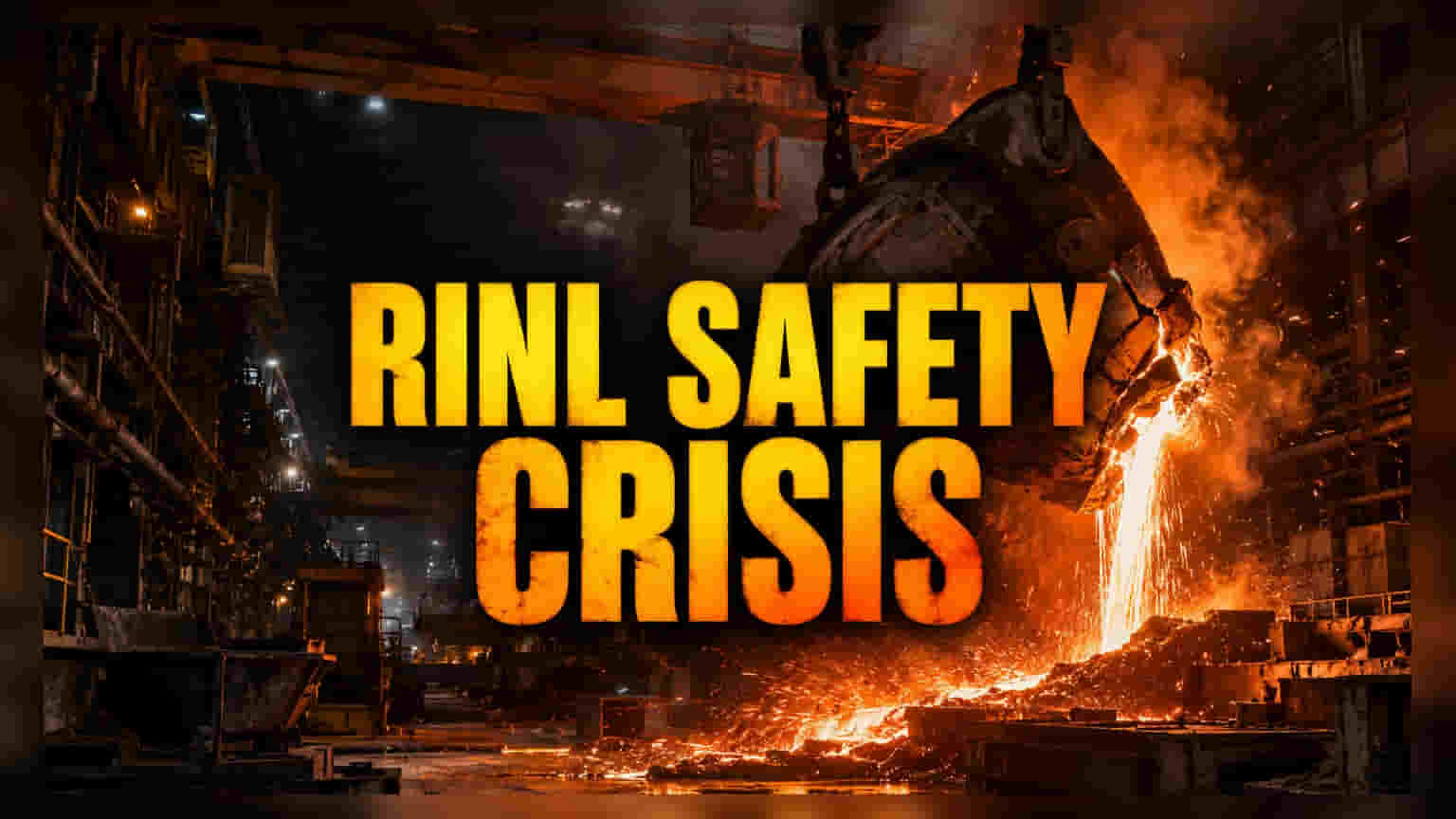


Operational Integrity and Safety Oversight
The rupture of a heavy-duty crane bucket, which released superheated molten iron at the state-owned Rashtriya Ispat Nigam Ltd (RINL) facility, serves as a grim indicator of aging industrial infrastructure. While official investigations are currently underway to determine the mechanical failure, the event highlights a recurring tension between aggressive production targets and the lifecycle management of heavy machinery. The failure of critical containment equipment suggests that routine maintenance audits may have been insufficient to mitigate risks inherent in high-heat steel processing.
The Financial and Regulatory Impact
RINL, a key player in the Indian steel sector, operates under the administrative control of the Ministry of Steel. This tragedy creates immediate regulatory pressure, as government bodies typically intensify safety compliance inspections following such high-profile accidents. Investors in the broader steel sector are monitoring the situation for potential work stoppages, which could constrain output for the Visakhapatnam plant. While the company is not currently publicly listed, its operational stability is vital to the supply chains of various downstream industries that rely on its specific product portfolio, including long steel and structural products.
Structural Vulnerabilities in Public Sector Steel
Unlike private-sector counterparts that have prioritized massive capital expenditure to modernize blast furnace technology and automated handling systems, public sector units like RINL often face budgetary constraints that delay the replacement of legacy equipment. This incident brings the issue of technical debt to the forefront, as the cost of these failures—both in human lives and eventual downtime—frequently exceeds the planned investment for modernizing internal logistics. The absence of a robust, automated safety interlock system that could have contained the spill reflects a broader systemic challenge regarding the pace of digital and mechanical transformation across state-controlled industrial assets.
Future Outlook and Risk Management
Moving forward, the primary risk for RINL remains twofold: increased scrutiny from the Ministry of Labour regarding occupational safety and potential labor unrest. Union representatives are expected to demand rigorous upgrades to hazard control measures. For the steel industry at large, the event serves as a reminder that operational efficiency must be balanced with the heavy cost of maintenance-related downtime. Future government policy is likely to shift toward stricter safety reporting requirements, which could lead to temporary margin compression across the sector as companies accelerate spending on workplace safety infrastructure to avoid further regulatory intervention.