

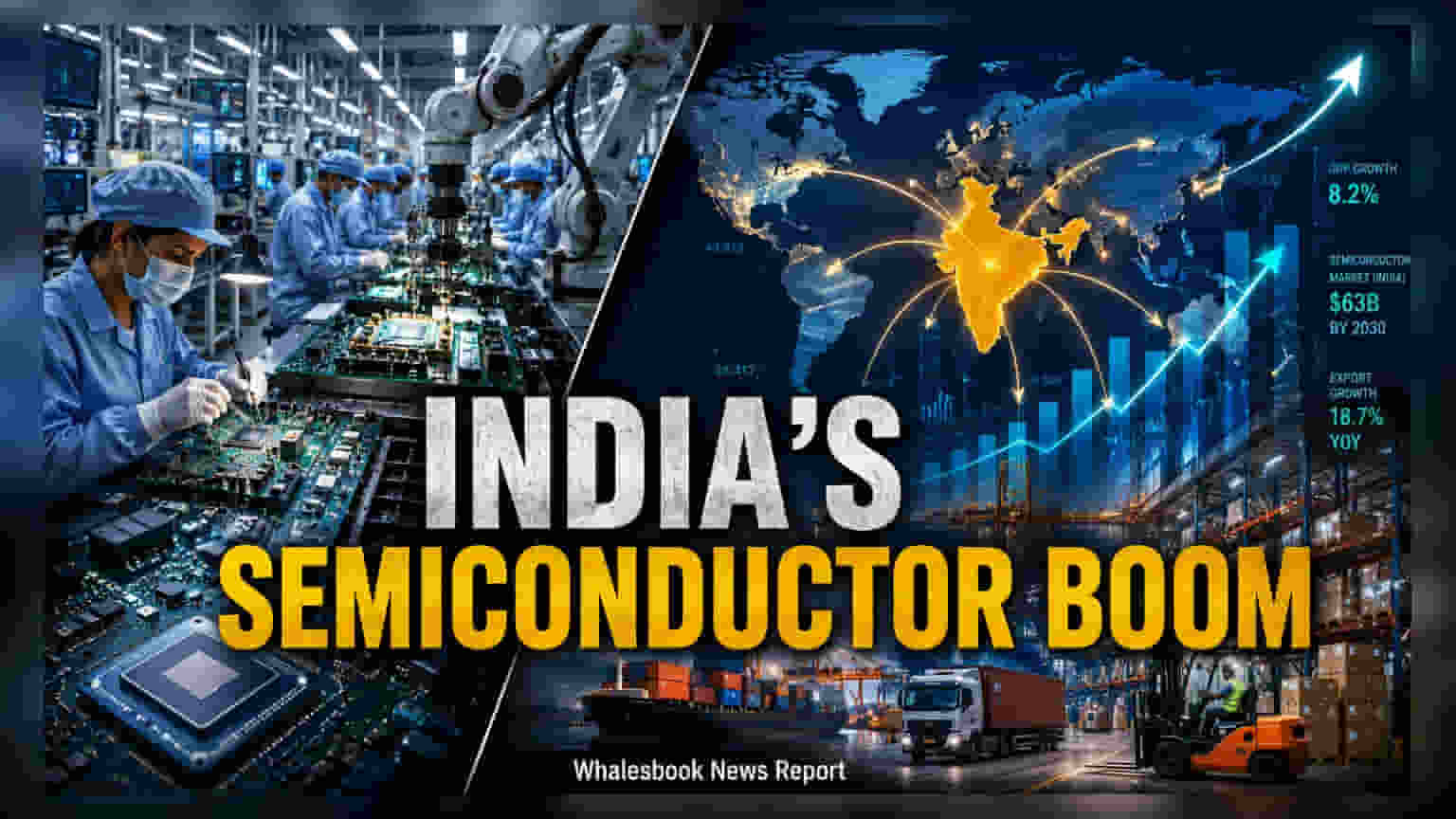
Global electronics firms are investing in Indian warehousing to shorten supply chains. These facilities, including a ₹150 crore hub in Bengaluru, aim to improve component access for local manufacturers like Tata Electronics and Dixon Technologies.
Detailed Coverage
Major global electronics and semiconductor firms are strengthening their logistics and distribution networks across India. By establishing large-scale, specialized warehousing, companies including Millennium Semiconductors, Berkshire Hathaway-owned RayQ TTI, and Texas-based Mouser Electronics are moving to reduce lead times for Indian manufacturers and decrease reliance on long-distance international imports.
Bengaluru and Pune Projects Gain Momentum
Millennium Semiconductors has received approval for a ₹150 crore electronics component hub in Bengaluru. The facility will span 250,000 square feet on a 6-acre site, with support from the Karnataka government through a 25% capital subsidy and stamp duty reimbursements. This expansion is designed to provide faster inventory access for original equipment manufacturers and startups. Simultaneously, RayQ TTI is investing ₹150 crore in a dedicated Pune warehousing unit. This pilot facility focuses on the aerospace, defence, and automotive electronics sectors, with a target to reduce component delivery times from weeks to just 1-3 days once operational next year.
Impact on Indian Electronics Manufacturing
The growth of these specialized hubs is directly tied to the rising scale of domestic electronics assembly. Firms like Dixon Technologies and Tata Electronics, which are scaling up production under various government incentive schemes, stand to benefit from more reliable component procurement. These new facilities are not just standard warehouses; they are being equipped with advanced technology, including automated racking systems and sensitive environmental controls, such as Class 1000 clean rooms, necessary for high-end semiconductor storage.
Sector Dynamics and Strategic Shifts
The electronics distribution sector has historically operated on trading margins often exceeding 12% to 15%. By establishing local footprints, these companies are effectively moving away from centralized regional supply chains, such as those historically based in the Gulf, toward a more localized 'near-shoring' model. This shift allows manufacturers to manage inventory on demand, which is crucial for reducing working capital cycles. While the move supports India's electronics ecosystem, investors may track whether these logistics investments translate into consistent margin growth for the distribution firms and whether the commissioning timelines for these facilities remain on track. The ability of these firms to maintain operational efficiency while navigating the specialized requirements of semiconductor storage will be a primary monitorable for long-term sector health.