

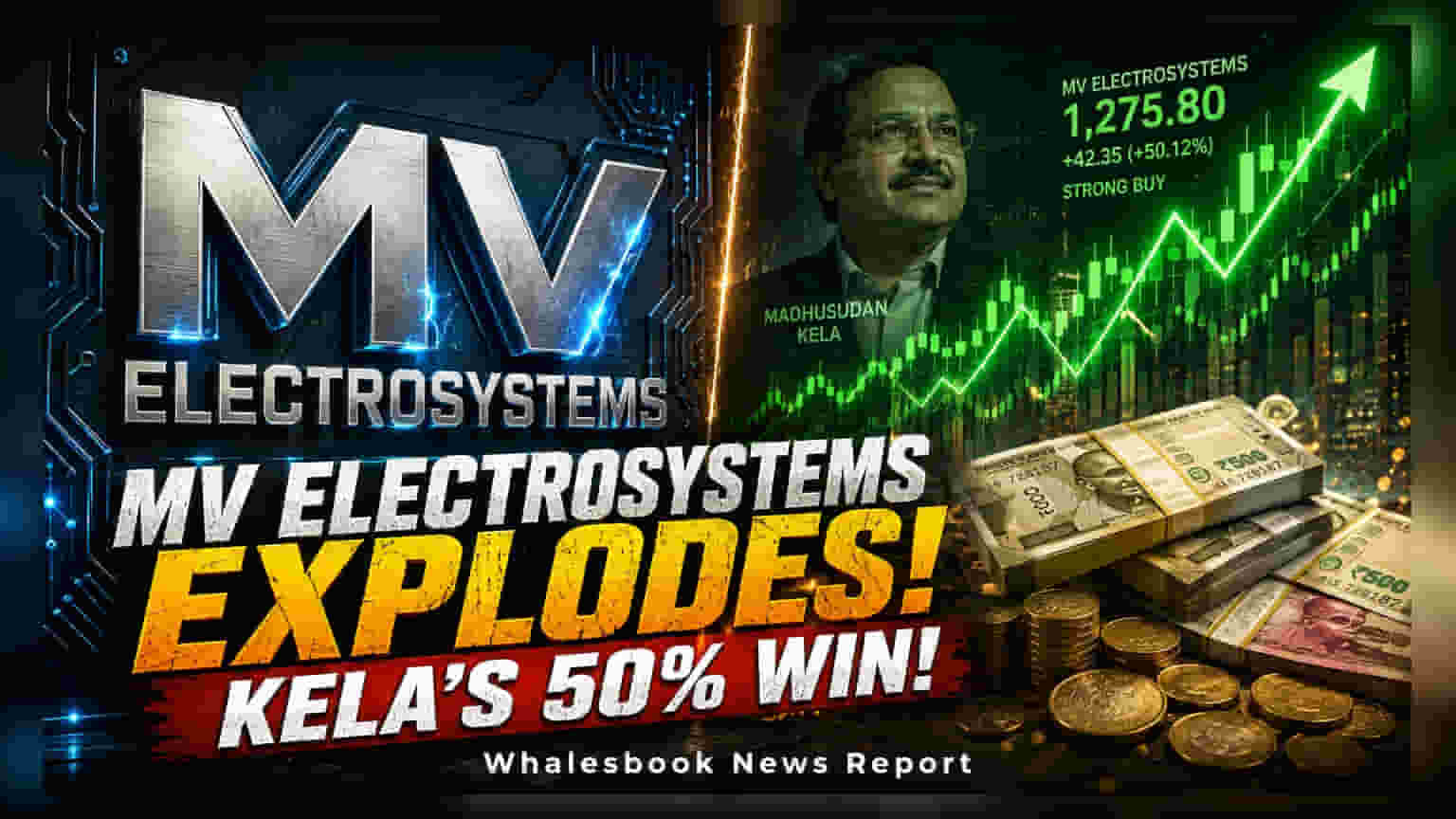
MV Electrosystems shares have risen 52% from their IPO price of Rs 425, reaching Rs 644.80 by August 10. The Founders Collective Fund, backed by investor Madhusudan Kela, recorded a 51.7% gain on its anchor investment in just three days. However, investors should note the company’s recent financial results, which show a net loss and rising working capital pressure.
MV Electrosystems shares extended their upward move on Monday, rising 5.4% to hit an intraday high of Rs 644.80 on the National Stock Exchange. Since the company debuted on the market on August 6, 2026, the stock has climbed approximately 52% from its initial public offering (IPO) price of Rs 425 per share.
Early Gains for Anchor Investors
The market enthusiasm following the listing has benefited anchor investors, including the Founders Collective Fund, which is associated with well-known investor Madhusudan Kela. The fund was allotted 1.64 lakh shares at the IPO price of Rs 425, representing a total investment of Rs 7 crore. With the stock reaching Rs 644.80, the value of this holding has increased to approximately Rs 10.58 crore. This marks a gain of roughly 51.7% in only three trading sessions since the company's debut.
Business and Financial Context
MV Electrosystems is a manufacturer of electrical and power electronics equipment used in the railway rolling stock sector. The company successfully raised Rs 290 crore through its IPO, which was priced in the range of Rs 400 to Rs 425. While the initial market response has been strong, the company's financial background warrants careful attention.
For the financial year 2026, the company reported a net loss of Rs 12.63 crore. Furthermore, the company is dealing with a negative return on equity of 31.4%, which reflects the challenges it faces in generating profit from the capital invested.
Working Capital and Operational Risks
A key area for investors to monitor is the company's working capital management. The time taken to convert working capital into cash has increased substantially, rising from 89.9 days to 230 days. This trend suggests that the company may be facing liquidity pressure as it takes longer to receive payments for its products and services.
Additionally, the company relies heavily on the Indian Railways for a significant portion of its revenue. Any changes in government railway spending or delays in project awards could directly impact its business performance. Given these financial and operational hurdles, future quarterly results will be important to watch, as they will show whether the company can improve its profitability and manage its cash flow more efficiently in the coming quarters.