

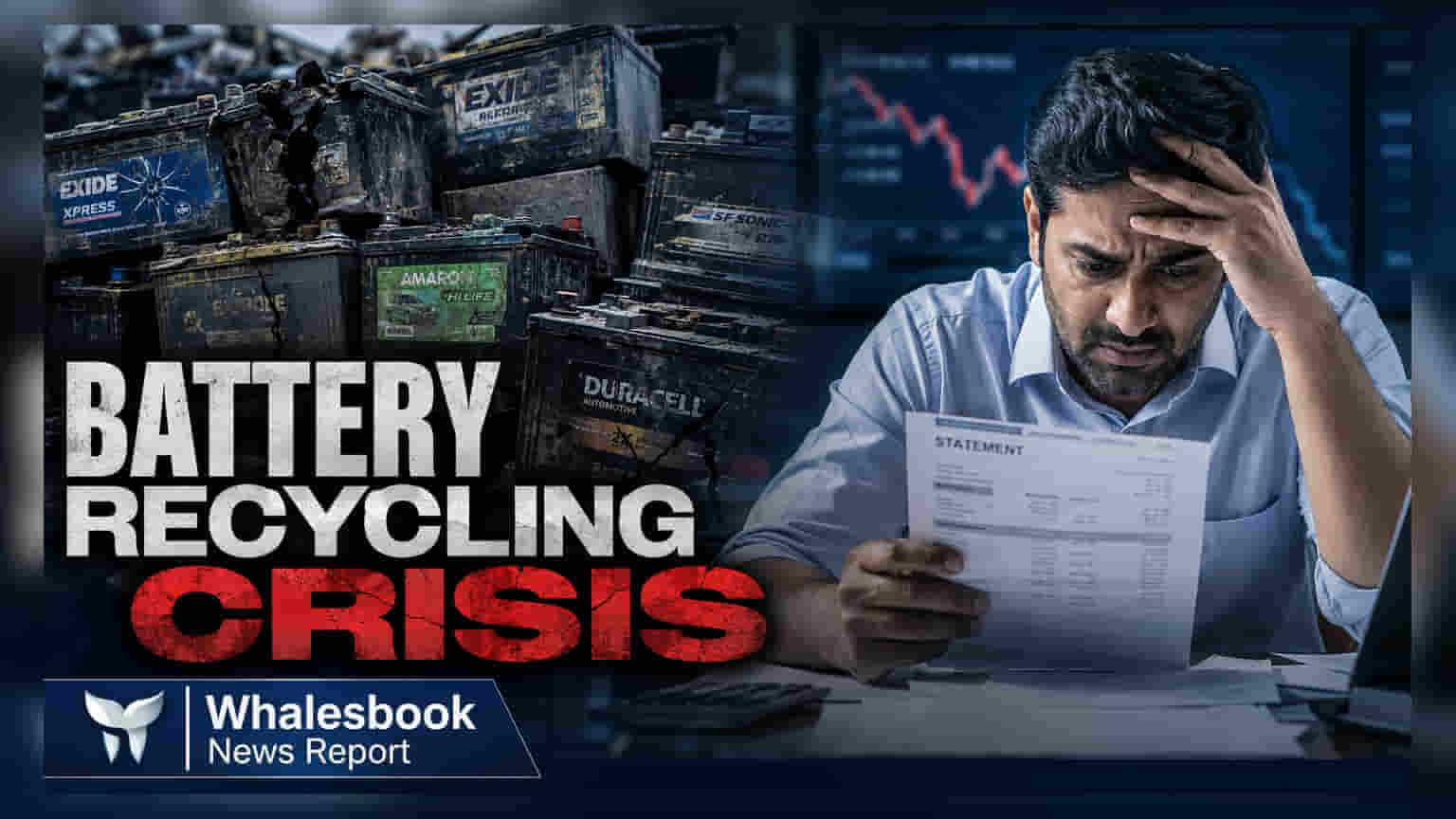
The Indian Battery Manufacturers Association is pushing for new rules to make dealers responsible for collecting used batteries. The industry faces pressure from a large informal recycling market and concerns over GST-linked tax evasion.
What Happened
The Indian lead-acid battery industry, represented by the Indian Battery Manufacturers Association (IBMA), has formally requested the government to amend the Battery Waste Management Rules (BWMR), 2022. The primary demand is to legally shift a portion of the responsibility for collecting and recycling end-of-life batteries from manufacturers to dealers and retailers. The industry, which generates over $5 billion in annual revenue, argues that the current system places the entire burden of Extended Producer Responsibility (EPR) on manufacturers, making it difficult to compete with an unregulated, informal recycling network.
Why The Informal Sector Matters
Currently, unorganized scrap dealers and unauthorized smelters handle an estimated 35-40% of used batteries in India. This informal network operates largely through cash-based transactions, which the industry claims makes it difficult for authorized, tax-compliant manufacturers to secure sufficient lead for recycling. Because these informal operators do not follow standard environmental or tax procedures, they can often offer more attractive prices for scrap, effectively diverting supply away from the formal, organized manufacturing ecosystem.
The Impact of Tax and EPR Rules
Manufacturers are pointing to an 18% Goods and Services Tax (GST) on used lead batteries as a significant barrier to compliance. The association suggests that this high tax rate inadvertently encourages tax evasion, as parties may avoid formal documentation to bypass the GST. Furthermore, the industry is challenging the structure of the EPR certificate mechanism. IBMA has raised concerns that the government-prescribed pricing for these certificates—specifically the compensation set at ₹18 per kilogram—does not accurately reflect the actual processing costs manufacturers already incur when sourcing recycled lead. This discrepancy, they argue, creates an artificial and potentially unfair pricing band for compliance certificates.
Business And Regulatory Context
Under the existing Battery Waste Management Rules, producers are solely responsible for ensuring that used batteries reach authorized recycling centers. By bringing dealers and distributors into the regulatory fold, the industry hopes to create a more efficient collection chain where consumers can easily return old batteries at the point of sale. If approved, this move could lead to higher compliance costs for the dealer network but might provide organized manufacturers with a more stable and cost-effective supply of recycled lead.
What Investors Should Track
Investors with exposure to lead-acid battery manufacturers—such as Exide Industries and Amara Raja Energy & Mobility—should monitor upcoming discussions between the industry and the Ministry of Environment, Forest and Climate Change (MoEFCC). Key monitorables include any government response regarding the proposed inclusion of dealers in the EPR framework, potential revisions to the 18% GST slab for scrap batteries, and adjustments to the minimum pricing for EPR certificates. Any regulatory change here could directly impact the operating margins of these manufacturers by altering their recycling costs and compliance overheads.