 Whalesbook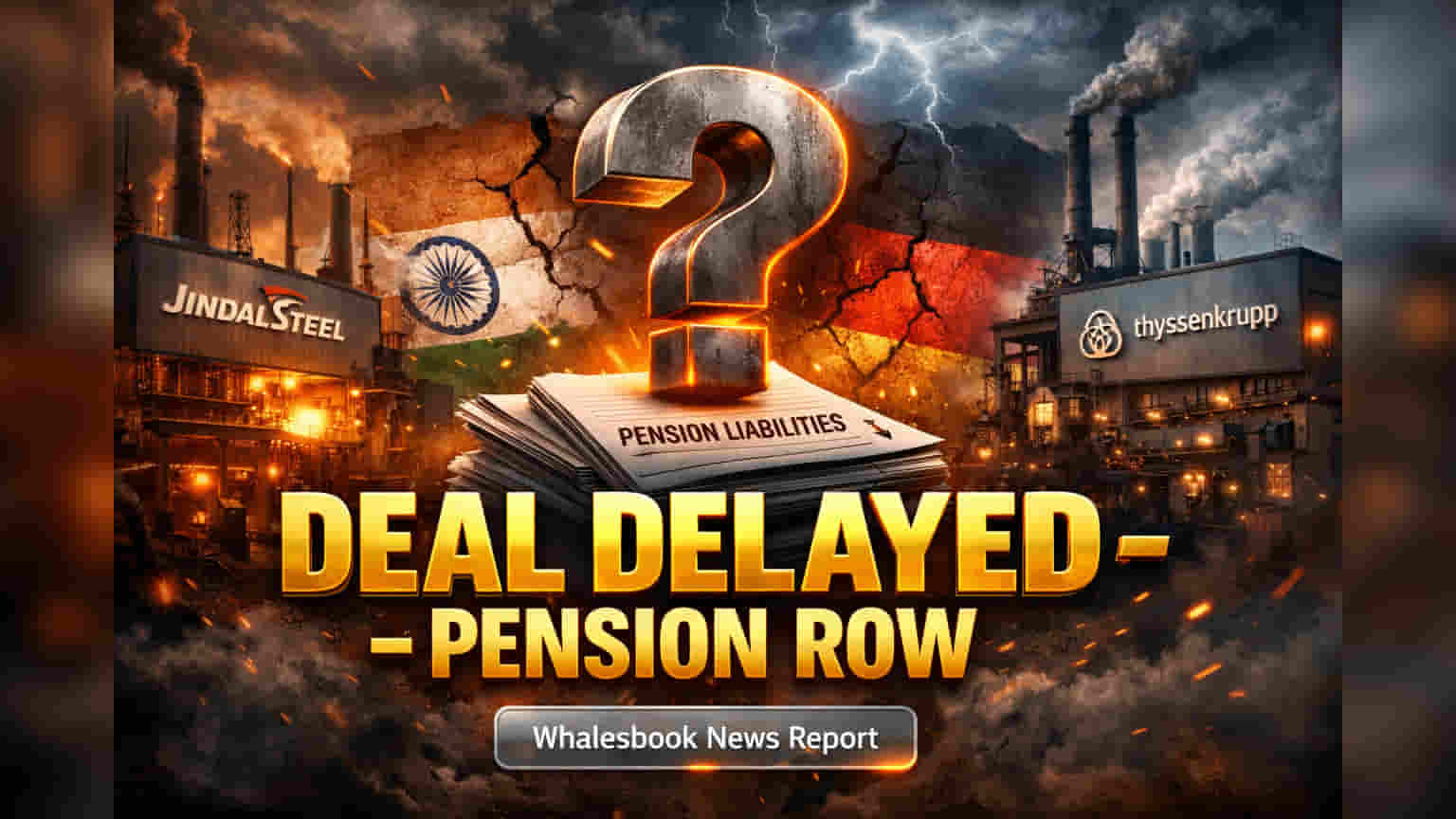
Jindal Steel International's proposed acquisition of Thyssenkrupp Steel is stalled by significant pension liabilities, which have become a major obstacle. The challenges go beyond just the purchase price, involving complex labor agreements and regulations that complicate the integration of large European industrial assets by foreign buyers.
The acquisition talks have been significantly delayed, focusing on how to resolve roughly €2.5 billion in pension liabilities. Jindal Steel International, part of India's Naveen Jindal Group, has shown strong interest, submitting a non-binding offer and planning investments in green steel at the Duisburg plant. However, the large pension commitments represent a major hurdle. Thyssenkrupp Steel Europe, Germany's second-largest steel producer, with a capacity of 10.3 million tonnes annually, is being divested by its parent, Thyssenkrupp AG, which has sought to sell the division since 2019 to streamline its business. A potential strategy to manage the pension issue involves a phased acquisition, possibly starting with a 60% stake.
The European steel market is expected to see a modest recovery in 2026, with hot-rolled coil prices forecast to reach about $750 per tonne, supported by import quota adjustments and the Carbon Border Adjustment Mechanism (CBAM). However, the sector continues to face challenges from high imports and energy costs. For Jindal Steel International, acquiring Thyssenkrupp would mark a significant expansion into Europe, following its 2024 purchase of Czech firm Vitkovice Steel. Financial comparisons show varied performance: Jindal Steel & Power (JSPL) has a P/E of around 60, JSW Steel's P/E is between 30-45, while European companies like ArcelorMittal range from 12-40. Salzgitter AG has a negative P/E, indicating losses, and Thyssenkrupp AG has a TTM P/E of about 28 with analyst 'Buy' ratings. These figures, combined with the considerable costs of German pension liabilities, pose a substantial challenge for Jindal.
The lengthy negotiations highlight a key risk for Jindal Steel International: potentially underestimating Germany's established industrial and labor systems. Pension liabilities, especially unfunded promises, are a major financial and legal burden. In Germany, acquiring a company often means taking on existing pension rights and obligations, unlike some other deal structures. The €2.5 billion in pension liabilities for Thyssenkrupp Steel is a significant commitment. Compounding this, high energy costs continue to pressure European steel producers. If the deal fails or Jindal pays too much to cover the pension gap, the acquiring company could face considerable financial strain, especially considering the high P/E ratios often seen in Indian steel companies. Thyssenkrupp's move to divest this division also suggests the asset has its own challenges.
Discussions are set to continue despite the current deadlock, with Thyssenkrupp stating that valuation, pension obligations, and future investments are central to the talks. The deal's completion depends on Jindal's willingness to absorb the pension liabilities and Thyssenkrupp's flexibility in structuring the sale. While the European steel market is predicted to recover, regulatory changes like CBAM and ongoing cost pressures will influence future operations. Analysts generally view Thyssenkrupp AG positively, seeing underlying value, but this specific divestment faces considerable challenges.