

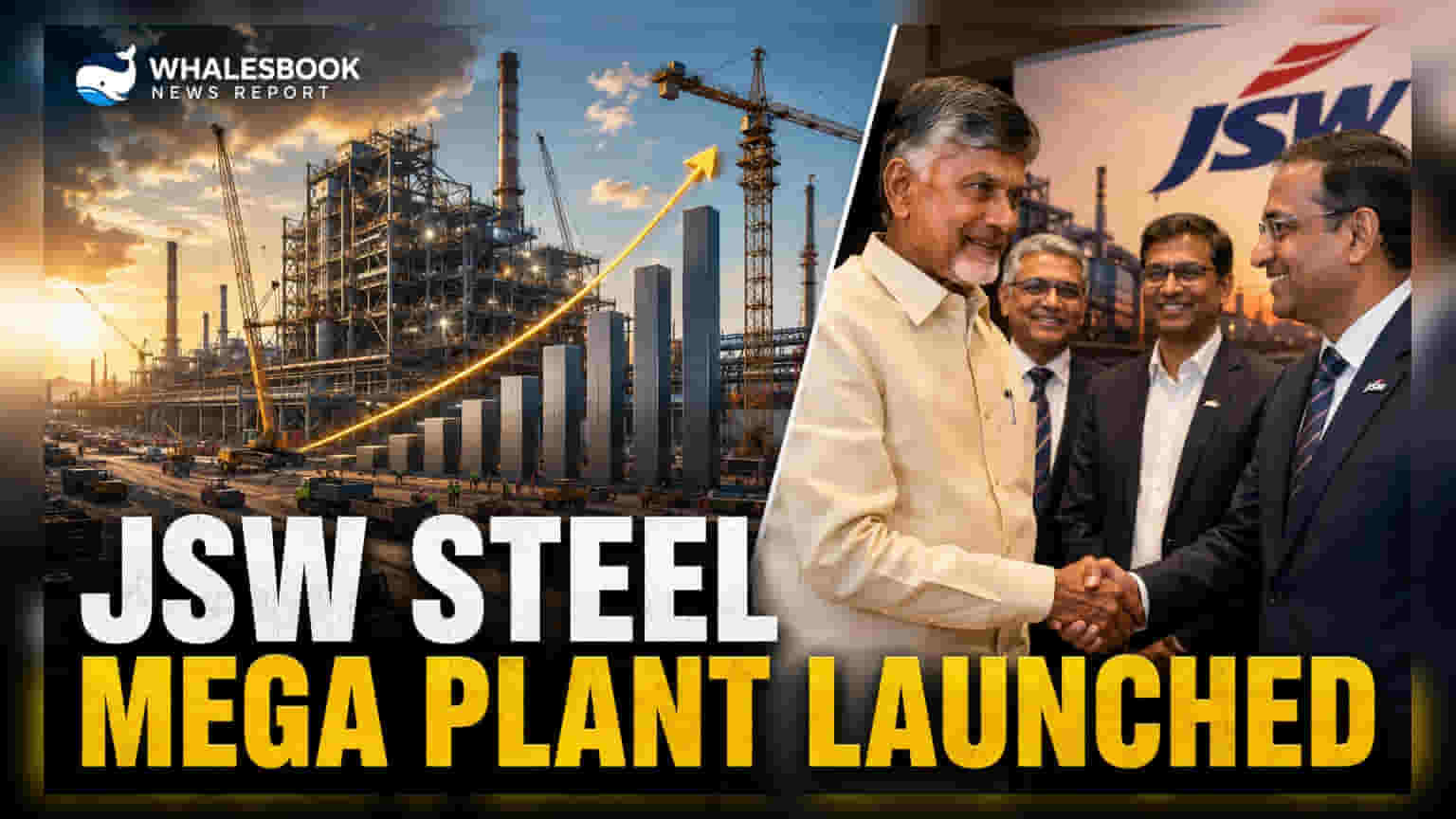
JSW Steel has begun building its integrated steel plant in Kadapa, Andhra Pradesh, with a planned investment of ₹16,350 crore. The facility, which aims to produce two million tonnes of steel annually by March 2028, will use electric furnace technology to lower carbon emissions. Investors are looking at how this large capital spending will impact the company's debt levels and future production capacity.
What Happened
JSW Steel has officially commenced construction on its integrated steel plant in the Kadapa district of Andhra Pradesh. The project, being executed through JSW Andhra Pradesh Steel Limited, is set to be a major industrial facility covering 1,100 acres. The company plans to invest a total of ₹16,350 crore in two distinct phases. The first phase will involve an outlay of ₹4,500 crore, while the second phase accounts for the remaining ₹11,850 crore. The plant is targeted to achieve a production capacity of two million tonnes per annum (MTPA) by March 2028.
The Green Steel Focus
A key feature of this new plant is its reliance on Electric Arc Furnace (EAF) technology. Unlike traditional blast furnaces that use coal, EAF technology primarily processes scrap metal and electricity. This shift is part of the company's effort to lower its carbon footprint, aligning with global trends toward greener manufacturing processes. For investors, this technology choice is significant as it may help the company meet stricter environmental regulations and attract customers who prioritize sustainable or 'green' steel in their supply chains.
Infrastructure and Execution
To make the plant operational, the project relies on external infrastructure support, including improved connectivity to National Highway 67 and a new 12-km railway link to the Muddanuru Railway Station. These logistical upgrades are being managed under the PM Gati Shakti initiative, which aims to reduce transportation bottlenecks. Successful and timely completion of this infrastructure is essential for the plant to achieve its planned production timeline. Any delay in these external links could pose a risk to the commissioning schedule of the facility.
The Funding and Debt Question
Investing ₹16,350 crore is a massive capital allocation. While this expansion signals growth, it also brings potential pressure on the company’s balance sheet. Investors should watch how JSW Steel balances this spending with its existing debt obligations. If the company relies heavily on new borrowings to fund this multi-year project, interest costs could rise, potentially impacting free cash flow in the coming quarters. The ability to manage cash flows during the construction phase will be a primary monitorable for shareholders.
What Investors Should Track
Beyond the headline investment number, the most important factor for investors is the execution timeline. As the project is slated for completion by March 2028, stakeholders should track updates on phase-wise capital spending and any potential cost overruns. Additionally, the company's quarterly results and management commentary regarding debt levels and capacity utilization will provide a clearer picture of how this project contributes to long-term profitability versus the cost of funding the expansion.