

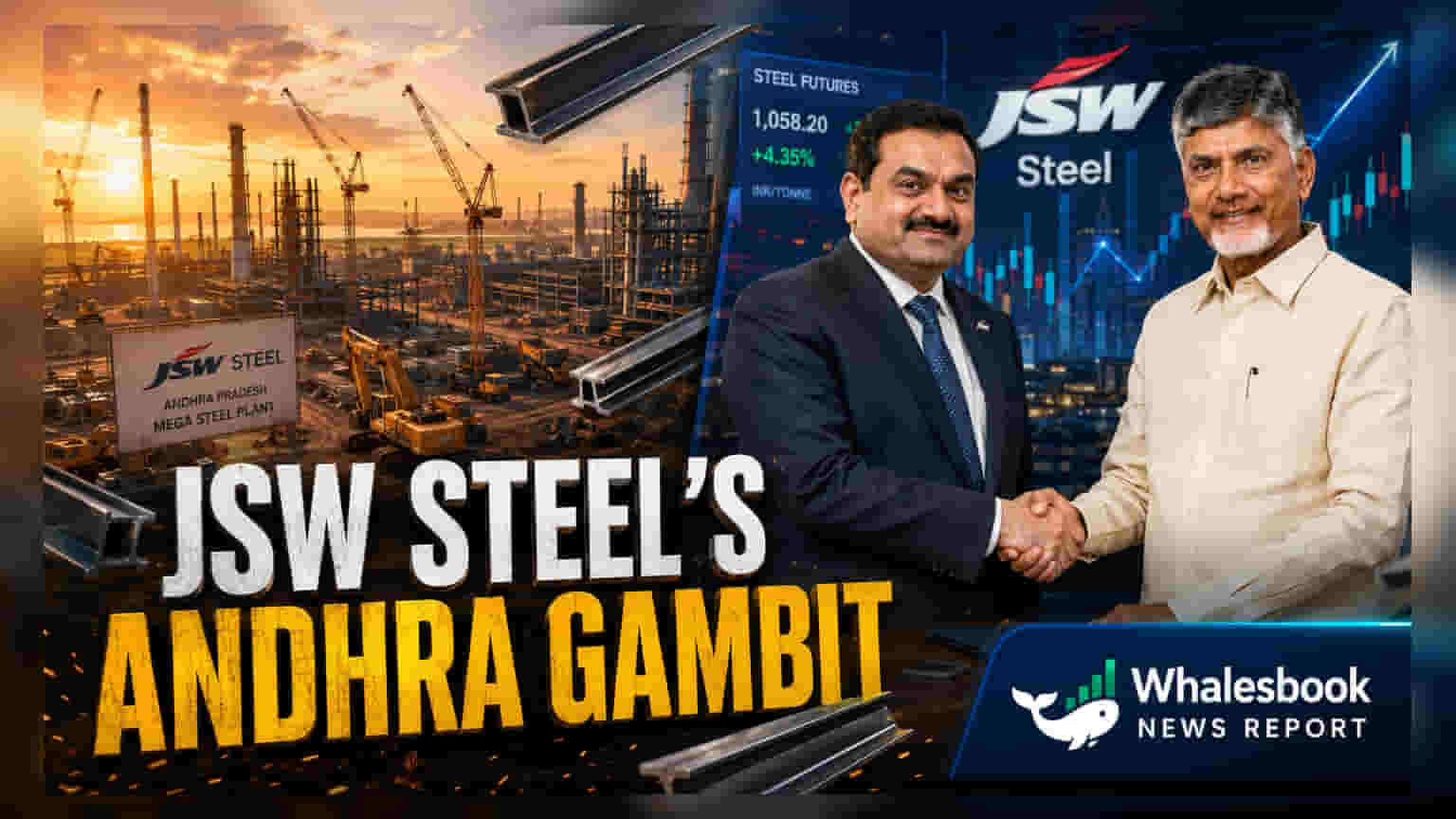
JSW Steel has begun building a 2 MTPA steel plant in Andhra Pradesh through its subsidiary, JSW Rayalaseema Steel. The project will use Electric Arc Furnace technology to focus on low-carbon steel production. Investors are tracking how this large capital spending will impact the company's debt levels and future production capacity.
What Happened
JSW Steel has officially started construction on a new steel manufacturing unit in Andhra Pradesh. This project is being executed by its wholly-owned subsidiary, JSW Rayalaseema Steel Ltd. The total planned investment for this facility is over ₹16,350 crore. The plant is designed to reach a total production capacity of 2 million tonnes per annum (MTPA) in phases. This expansion adds to the company's existing footprint, which currently stands at 37.9 MTPA of crude steel capacity, including its joint venture with JFE Steel.
The Phased Investment Plan
The company is splitting the capital spending into two distinct stages. The first phase requires an investment of ₹4,500 crore to set up an initial capacity of 1 MTPA. The second phase, with a planned investment of up to ₹11,850 crore, will take the total capacity to the full 2 MTPA target. This phased approach allows the company to manage cash outflow more carefully as it monitors demand for its steel products.
Technology and Sustainable Production
A key feature of this new facility is its reliance on Electric Arc Furnace (EAF) technology. Unlike traditional blast furnaces that use a lot of coal, EAFs use electricity and raw materials like recycled scrap or direct reduced iron. This shift toward lower-carbon steel is becoming a standard trend in the industry as global customers increasingly demand materials with smaller environmental footprints.
The Funding and Debt Question
For investors, the primary monitorable is how the company funds such a large expansion. JSW Steel has historically been aggressive in increasing its capacity. While this growth can increase revenue in the long run, large capital spending projects also come with the risk of increasing debt pressure. Investors may watch the company's balance sheet in upcoming quarters to see how much of this project is funded through internal cash flow versus new borrowings.
Execution and Demand Risks
Large-scale industrial projects in India often face risks related to land acquisition, environmental approvals, and raw material availability. Furthermore, the steel industry is cyclical. If global or domestic demand for steel slows down, or if raw material costs rise, the company may face pressure on its profit margins. The success of this project will depend on how efficiently the company can execute the construction on schedule and whether it can sell its steel at profitable prices once the plant begins production.
What Investors Should Track
Going forward, the key items to watch include the timeline for the phase one completion, updates on debt levels in quarterly filings, and management commentary regarding the demand outlook for low-carbon steel. Investors may also track how this project competes with the expansion plans of other major steel producers in the domestic market.