

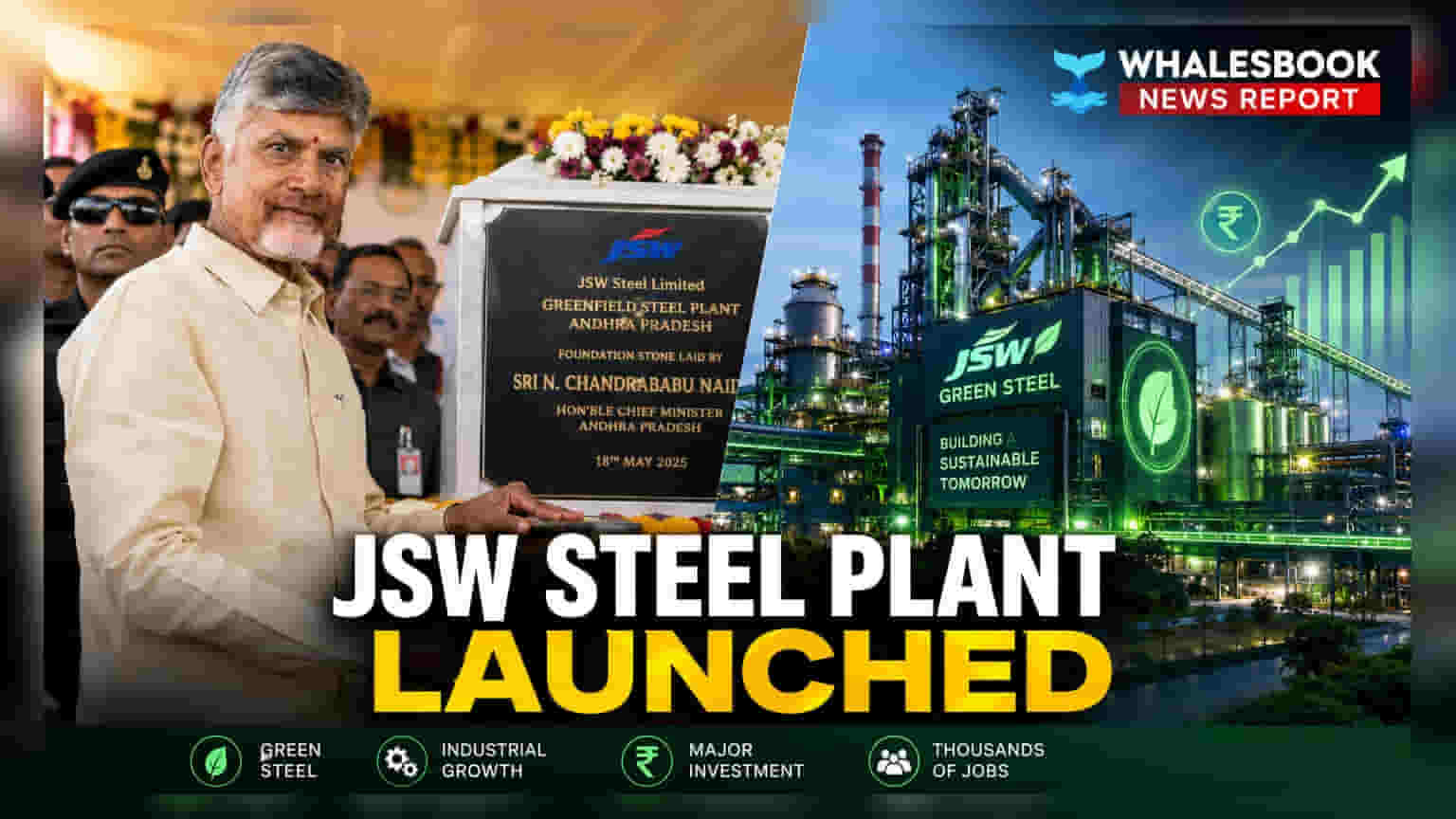
JSW Steel has officially begun construction on its integrated steel facility in Kadapa, Andhra Pradesh, with a planned investment of ₹16,350 crore. The two-phase project, targeting commercial production by March 2028, will use green steel technology powered by renewable energy. Investors will focus on the company's capital spending commitments and the project's execution timeline over the next few years.
What Happened
JSW Steel has officially broken ground on its new integrated steel plant in the Kadapa district of Andhra Pradesh. The project, managed by JSW Andhra Pradesh Steel Limited, is set to be developed in two phases with a total planned investment of ₹16,350 crore. Phase I will involve a spending of ₹4,500 crore, while Phase II is planned for ₹11,850 crore. The facility aims to reach a production capacity of two million tonnes per annum (MTPA) by the time commercial operations begin in March 2028.
The Green Steel Strategy
A key feature of this new facility is its focus on sustainability. The company plans to utilize scrap-based Electric Arc Furnace (EAF) technology, which is generally considered more energy-efficient than traditional blast furnace methods. The plant is designed to run on renewable energy, aligning with the company's broader efforts to lower its carbon footprint. For investors, this shift toward green manufacturing is increasingly important as global markets tighten regulations on carbon-intensive industrial products.
Infrastructure and Execution
This project has seen multiple starts since its initial proposal in 2019. The current progress follows renewed engagement between the company and the state government since 2024. To support the site, authorities are working on necessary external infrastructure, including a 12-kilometer railway link to the Muddanuru station and improved road connectivity to National Highway 67. The project is being facilitated under the PM Gati Shakti initiative, which aims to improve logistics and reduce bottlenecks for large industrial projects.
The Capital Spending Context
For JSW Steel, this project represents a significant commitment of capital. Investors often look at how large expansions affect the balance sheet, particularly in terms of debt and cash flow. JSW Steel has historically maintained a strategy of expanding capacity through a mix of organic growth and acquisitions. The success of this project will depend on the company's ability to keep the construction on track and manage costs effectively against potential raw material price fluctuations.
What Investors Should Track
The primary monitorable for investors is the project's execution timeline against the March 2028 target. Additionally, shareholders may watch for updates on the funding mix—specifically how much of the ₹16,350 crore will be funded through debt versus internal cash reserves. Changes in global steel prices, the cost of renewable energy, and the availability of scrap metal will also influence the long-term profitability of this specific site compared to the company’s existing operations.