 Whalesbook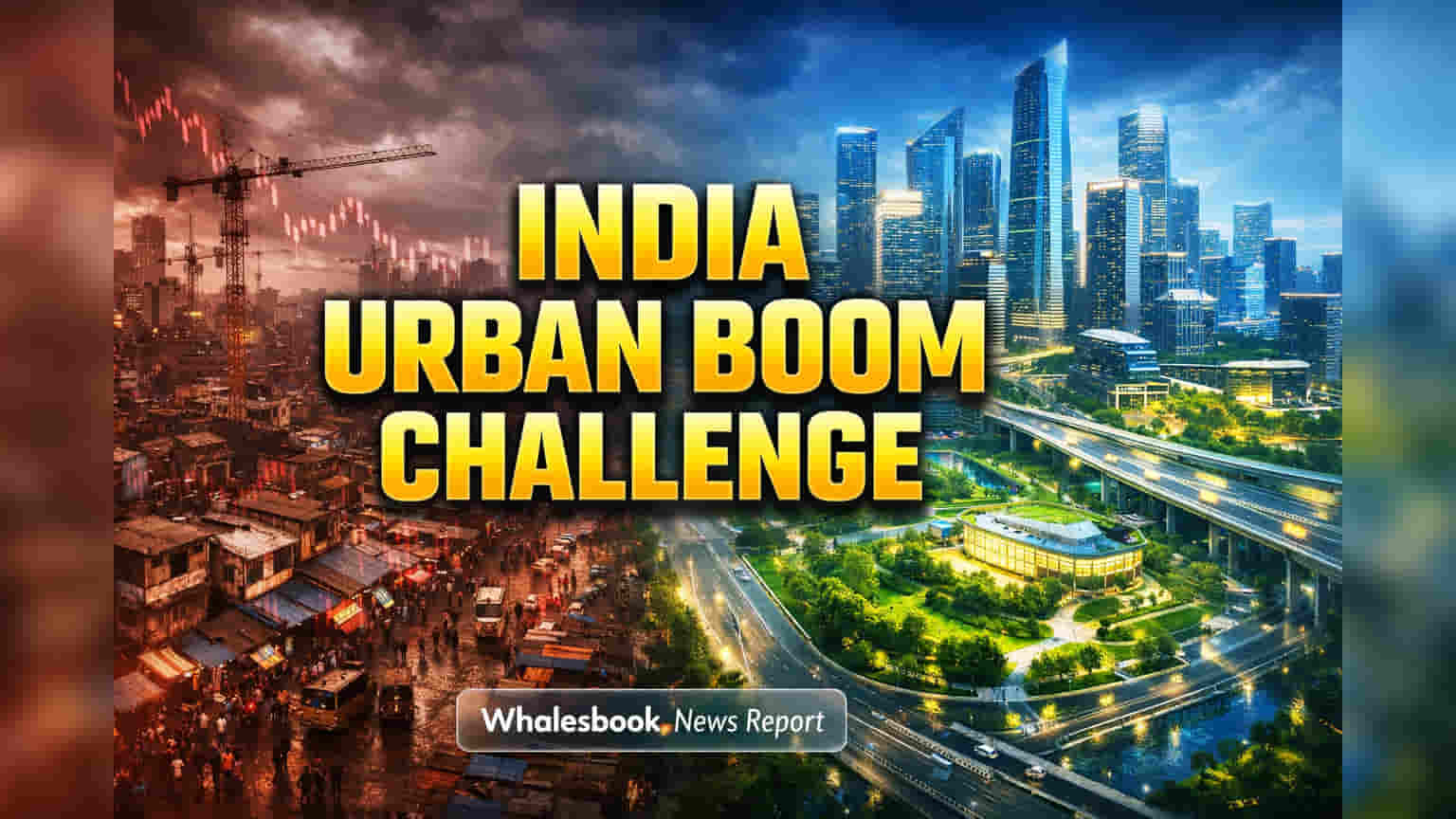
This rapid urban expansion highlights a major gap between India's growing population and its governance capacity, posing a complex challenge for national development and investor confidence.
Governance Gaps Slow Economic Growth
India is the world's largest contributor to urban population growth, but this expansion is organic and unplanned, not state-led. This rapid, fragmented growth outpaces governance, creating significant infrastructure bottlenecks. The immediate result is immense pressure on essential resources like housing, transportation, and water supply, leading to uneven development. With projections showing up to three-fourths of India's population living in urban areas by 2030, addressing these fundamental gaps is urgent. The country lacks an integrated, long-term urban investment and strategy framework. This void leads to congested cities, poor public transit, and sprawling informal settlements that worsen underemployment. Environmental issues, including pollution and loss of green cover, also heighten vulnerability to climate risks like flooding and extreme heat.
Navigating Infrastructure Funding Challenges
India's infrastructure needs run into trillions of dollars, creating a substantial funding gap that government budgets struggle to fill. While initiatives like AMRUT 2.0 and PMAY-U 2.0 aim to improve urban living, implementation is inconsistent. Gaps remain in financing, project execution, and coordination across government levels. The absence of a cohesive, forward-looking infrastructure plan, as warned by a Parliamentary Committee, risks scattered planning, inefficient resource use, and significant future funding stress. The World Bank calls India's current position a "critical opportunity" for resilient urban development, but this hinges on immediate, decisive action. Without a coordinated strategy, India risks letting rapid urbanization worsen existing socioeconomic inequalities, potentially deterring foreign direct investment. While FDI in areas like renewable energy and telecommunications is growing due to clearer regulations, dedicated urban development projects often struggle to attract large private capital because of perceived risks and policy uncertainties.
Structural Weaknesses Emerge from Rapid Growth
India's rapid, organic urbanization differs from the more structured, state-driven development seen in many Southeast Asian economies, where industrialization and infrastructure planning were better integrated. This makes India's urban expansion more vulnerable. The lack of a long-term infrastructure blueprint means resource allocation can be haphazard. Municipal bodies often lack the financial power and capacity to manage complex projects. This can lead to urban growth without a corresponding increase in economic productivity or quality of life for residents. Furthermore, persistent infrastructure deficits create an environment prone to regulatory uncertainty and project delays, deterring institutional investors seeking predictable returns. Scattered planning and funding stress directly threaten long-term economic growth and could lead to more distressed infrastructure assets if not managed proactively. Deepening existing inequalities is a major concern, as unplanned growth often marginalizes vulnerable populations and strains public services, creating a foundation for instability.
The Need for a Strategic 2047 Vision
Recognizing these profound challenges, a Parliamentary Standing Committee on Housing and Urban Affairs has recommended forming a high-level expert panel. This panel would assess India's urban infrastructure needs, identify funding requirements, propose governance reforms, and outline capacity-building plans for the long term, targeting 2047. This strategic vision aims to guide investment and policy implementation. The World Bank's view that India is at a critical juncture underscores the need for swift, strategic actions to ensure urbanization leads to sustainable, inclusive economic development rather than worsening disparities.