 Whalesbook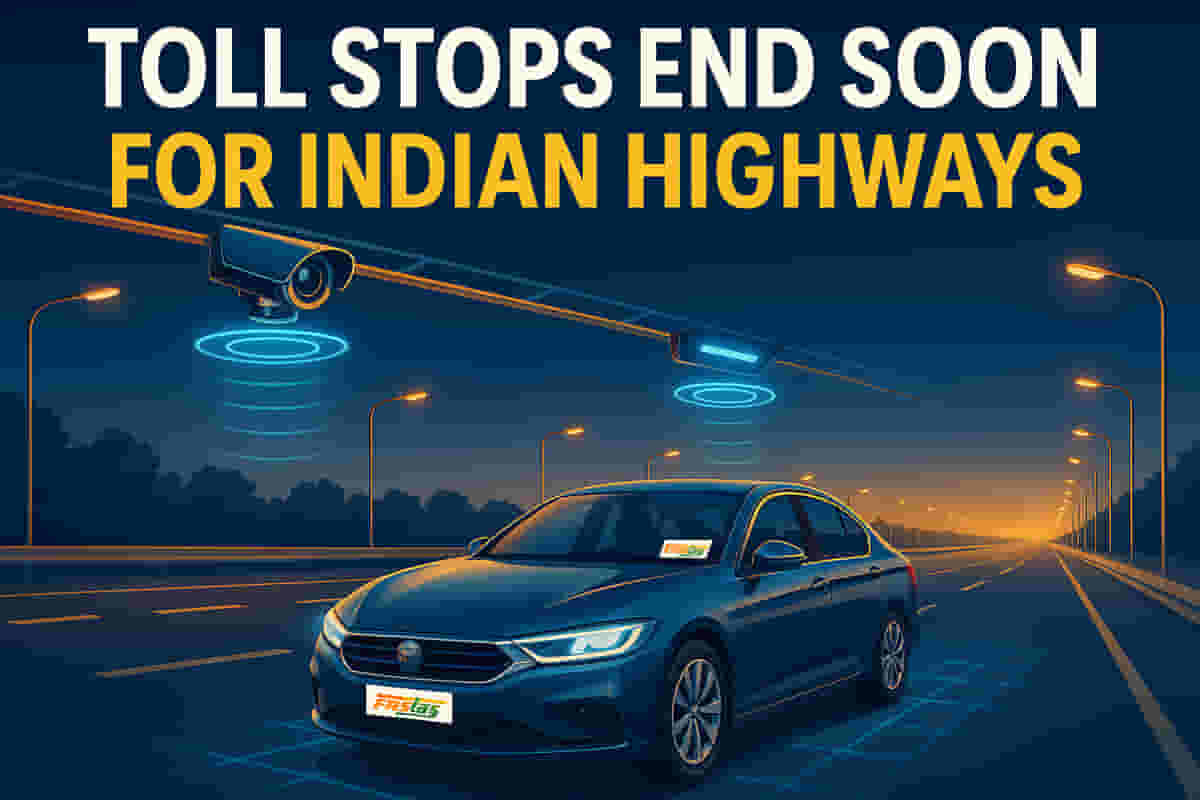
Union Minister Nitin Gadkari has declared a significant transformation for Indian highways, announcing that the current system of stopping at toll plazas will be phased out within the next year. In its place, a fully electronic toll collection system will be implemented nationwide, promising a seamless and faster experience for drivers.
Latest Updates
- Union Minister Nitin Gadkari informed the Lok Sabha that the current toll collection system will end within one year.
- A nationwide electronic toll collection system will replace the existing method, eliminating the need to stop at toll booths.
- The new system has already been rolled out at 10 locations across the country.
- The government is committed to reducing congestion, eliminating delays, and improving the overall user experience on national highways.
Importance of the Event
- This move is set to revolutionize highway travel in India by removing physical barriers and checkpoints at toll plazas.
- It aligns with the government's objective to enhance efficiency and reduce transit times for vehicles, which can have a positive ripple effect on logistics and commerce.
- The transition signifies a leap towards modernizing India's infrastructure using advanced digital technologies.
Future Expectations
- The implementation of the Multi-Lane Free Flow Electronic Toll Collection system is expected to be completed nationwide within a year.
- This system will integrate technologies such as Automatic Number Plate Recognition (ANPR) with Artificial Intelligence (AI) analytics and RFID-based FASTag.
- The government will assess the outcomes of initial implementations to decide on a phased rollout to other fee plazas.
- Projects worth ₹10 lakh crore are currently ongoing across the country, and this new system will be integrated into them.
Market Reaction
- While specific stock movements are not yet visible, sectors related to infrastructure development, logistics, and payment technology are expected to be closely watched.
- Companies involved in the development and implementation of electronic tolling solutions, such as ANPR and AI analytics providers, could see increased interest.
Impact
- Motorists will experience significantly reduced travel times and a more convenient journey on highways.
- Logistics and transportation companies can expect improved efficiency and reduced operational costs due to faster transit.
- The initiative is expected to boost economic activity by facilitating smoother movement of goods and services.
- Impact Rating: 8/10
Difficult Terms Explained
- Electronic Toll Collection: A system where tolls are paid automatically without stopping, typically using devices like FASTags or license plate recognition.
- FASTag: A Radio Frequency Identification (RFID)-based tag affixed to a vehicle's windscreen, allowing automatic deduction of toll fees from a linked account.
- RFID: Radio Frequency Identification, a technology that uses radio waves to identify and track tags attached to objects.
- ANPR: Automatic Number Plate Recognition, a technology that uses AI to read vehicle license plates automatically.
- AI analytics: Artificial Intelligence used to analyze data, in this context, to help identify vehicles and process toll payments.