 Whalesbook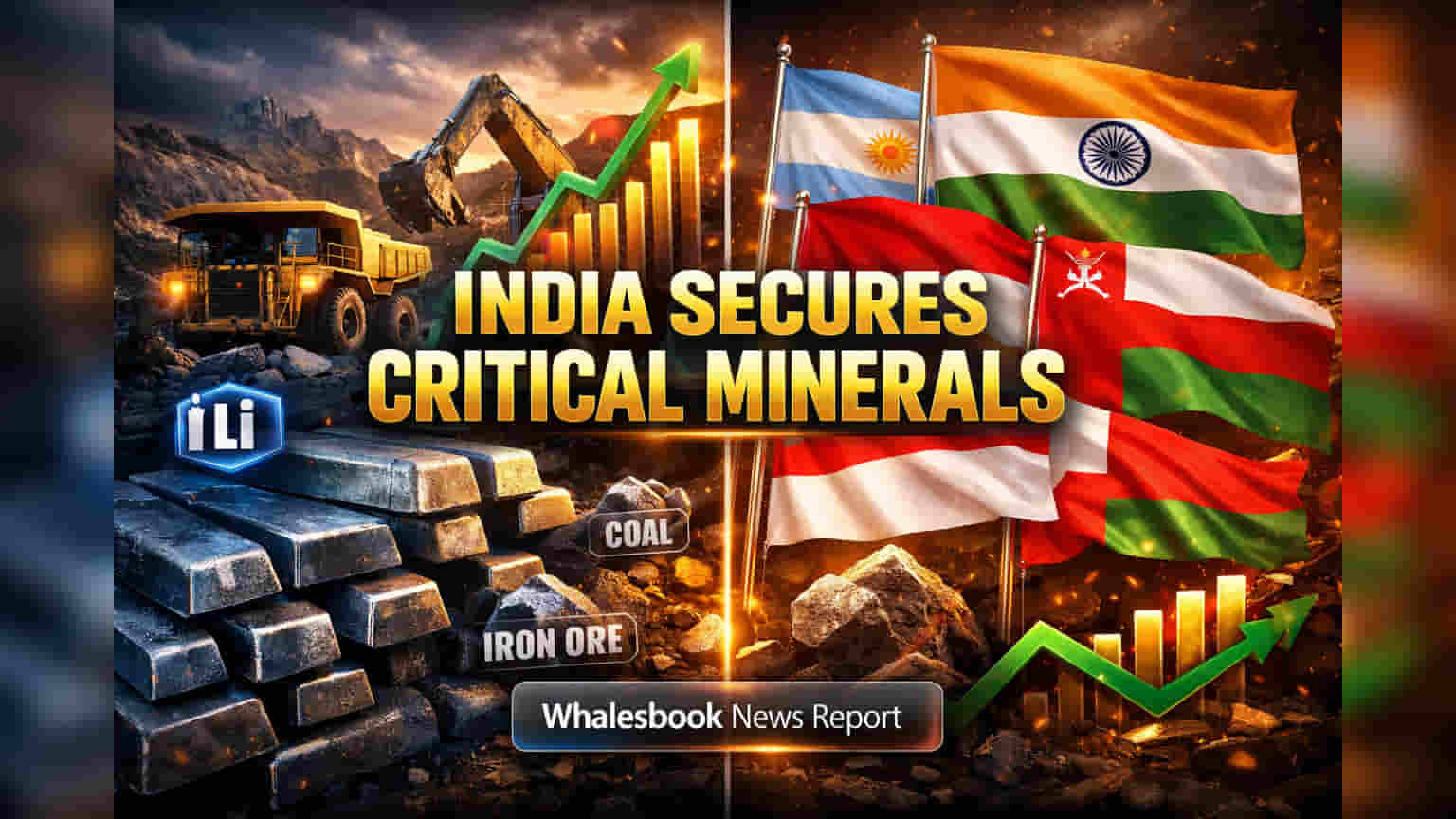
India is taking proactive steps to strengthen its steel industry's supply chain, preparing for key discussions with Argentina, Indonesia, and Oman next month. These talks are vital for meeting high domestic demand growth and supporting India's clean energy push, which requires securing key minerals for battery technologies. However, these sourcing efforts occur as the sector faces internal operational challenges made worse by global instability.
At the upcoming Bharat Steel 2026 summit in New Delhi, billed as the nation's largest international steel conference and exhibition, these meetings will be the venue for talks. The main goal is securing essential steelmaking raw materials, including coking coal and iron ore, and obtaining advanced steelmaking technologies. Indonesia, with the world's largest nickel ore reserves, is a key target. Oman is a significant source of iron ore for India, with a bilateral agreement already in place to boost mining cooperation. Argentina, a leading global producer of lithium, is key to India's efforts to secure this mineral for its growing electric vehicle and renewable energy storage sectors. These negotiations align with India's goal, stated in January 2025, for stable supplies of critical minerals like lithium, cobalt, and rare earth elements to support steel production growth and its clean energy transition. The summit aims to boost India's steel sector's global competitiveness and secure its place in international supply chains.
As the world's second-largest crude steel producer, India faces complex global conditions in its search for raw material security. While China continues to lead steel production, India's output is increasing, projected to reach 153.61 million metric tonnes in the first 11 months of fiscal year 2025-26. This expansion requires a significant increase in raw material imports; India's iron ore imports are expected to reach a seven-year high of 12-14 million tonnes in FY2025-26, due to domestic shortages of high-grade ore, with Brazil and Oman as major suppliers. Coking coal imports are also expected to rise, with total metallurgical coal imports forecast at 83 million tonnes in FY'26, a 9% year-on-year increase, mainly to support increased steel production.
The Indian steel industry is also dealing with the European Union's Carbon Border Adjustment Mechanism (CBAM), which began adding costs to carbon-intensive imports from January 1, 2026. This could possibly raise costs by 8-14%, potentially forcing Indian exporters to accept lower prices or find new markets. This regulation highlights India's need to diversify exports away from Europe.
Despite India's search for international raw materials, significant domestic weaknesses remain, worsened by global geopolitical tensions. The steel sector is facing a severe shortage of liquefied petroleum gas (LPG) and natural gas, made worse by disruptions to LNG shipments through the Strait of Hormuz due to Middle East conflicts. This crisis has disrupted operations at JSW Group facilities, leading to warnings of potential shutdowns. The Indian Steel Association noted that propane and LPG shortages harm small and medium enterprises (SMEs) in the steel sector. India's reliance on Middle Eastern LNG imports (67% of its total) makes it highly vulnerable to these supply shocks.
Additionally, India aims to increase steel production to 300 million tonnes by 2030 but relies on imports for 85% of its coking coal needs, mainly from Australia. This reliance exposes the sector to global price swings and supply interruptions.
The EU's CBAM directly threatens Indian steel exports, potentially cutting margins by 16-22% as producers might lower prices to cover carbon costs.
India's steel sector is projected for continued growth, supported by production targets and rising domestic demand. The Bharat Steel 2026 summit aims to build collaborations and alliances to tackle challenges in raw material security, technology adoption, and sustainable production. Analysts expect India's steel output to rise, but the sector must manage significant challenges like international trade policies, energy shortages, and the need to decarbonize production. Securing stable and affordable access to critical raw materials is crucial for the industry's growth and its role in the global energy transition.