

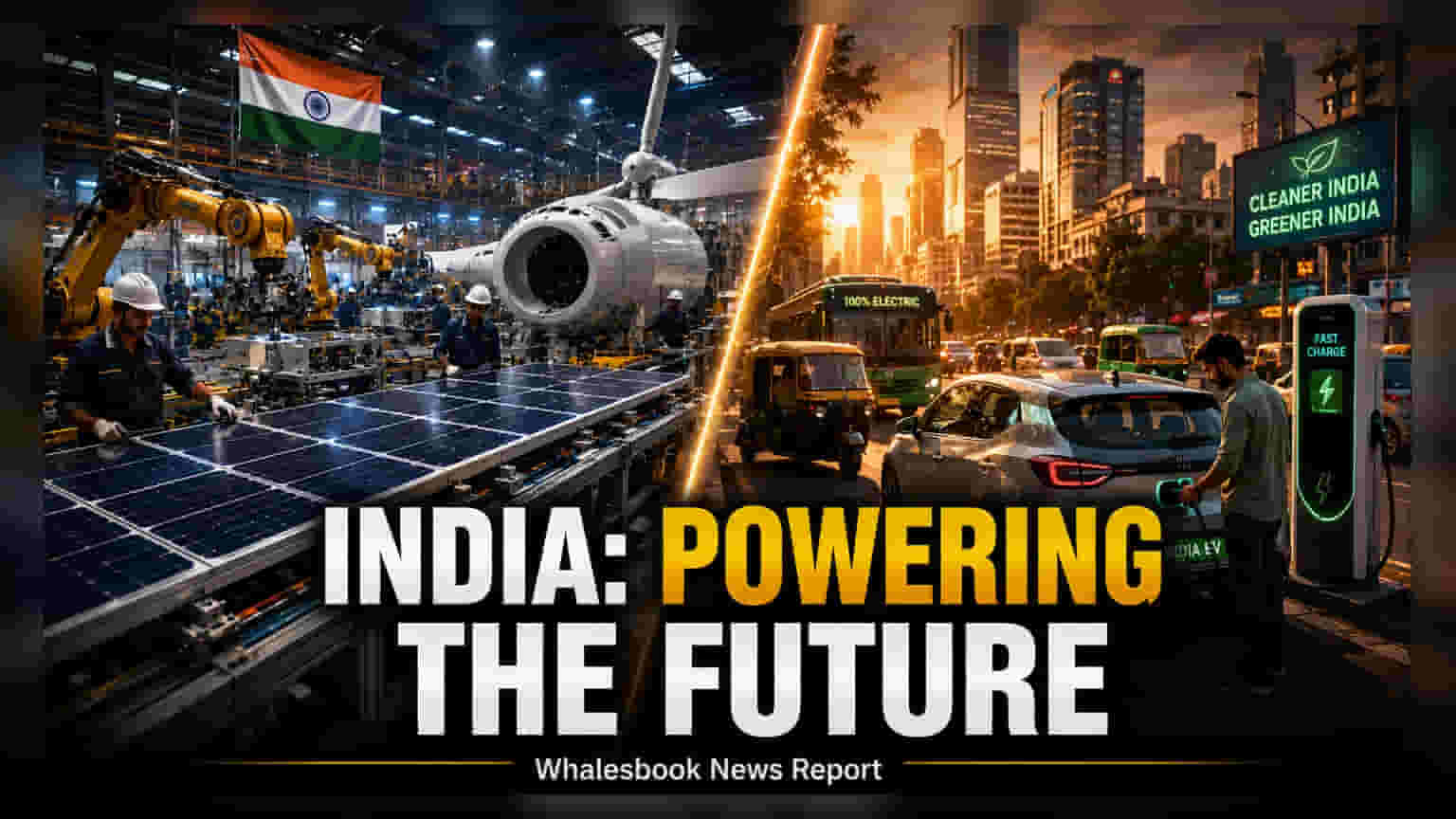
Union Minister H.D. Kumaraswamy announced a ₹36,280 crore plan to position India as a global hub for clean energy technology. The strategy focuses on boosting domestic manufacturing for electric vehicles, battery storage, and advanced materials. Investors should watch how this funding affects industrial expansion, raw material supply chains, and the long-term profitability of participating companies.
Union Minister for Steel and Heavy Industries H.D. Kumaraswamy announced a renewed push for India to become a global center for clean energy technology. Speaking at the 7th CII International Energy Conference in New Delhi on August 6, 2026, he outlined a strategic plan to reduce reliance on imports and strengthen domestic production capabilities to support the country's energy transition.
The government has earmarked ₹36,280 crore to jump-start this manufacturing ecosystem. This financial support is divided into three major areas: ₹10,900 crore under the PM E-DRIVE scheme to encourage electric vehicle adoption and manufacturing, ₹18,100 crore for the production-linked incentive (PLI) scheme for advanced chemistry cell (ACC) battery storage, and ₹7,280 crore dedicated to the manufacturing of sintered rare earth permanent magnets.
This shift in focus represents a move from simply consuming green technology to producing it locally. Minister Kumaraswamy noted that this transition requires a robust industrial base. He highlighted the steel industry as foundational to these goals, as renewable infrastructure projects like solar parks, wind turbines, and new transmission networks require significant amounts of steel. The national government is targeting a total steel production capacity of 300 million tonnes by 2030 to support this broader industrial growth.
For investors, this shift toward advanced domestic manufacturing brings both potential and challenges. Large-scale manufacturing requires substantial money spent on expansion and new facilities. Such high spending can increase debt levels and put pressure on company finances in the short term, especially if demand for the new products does not grow as expected.
Furthermore, the sector faces supply chain risks. India currently relies on imported critical minerals for batteries and magnets. If the prices of these raw materials fluctuate or supply becomes difficult to secure, it could negatively impact the profit margins of local manufacturers. The technical and economic success of producing advanced components, such as 'green steel' or specialized batteries, is also still evolving.
Investors may track the official timelines for when these funds are released to companies and how quickly manufacturers can begin operations. Another important factor to monitor is whether companies can source raw materials efficiently to maintain healthy profit margins. The ability of the industry to build a stable supply chain will be a key indicator of the long-term success of these government-backed manufacturing plans.