 Whalesbook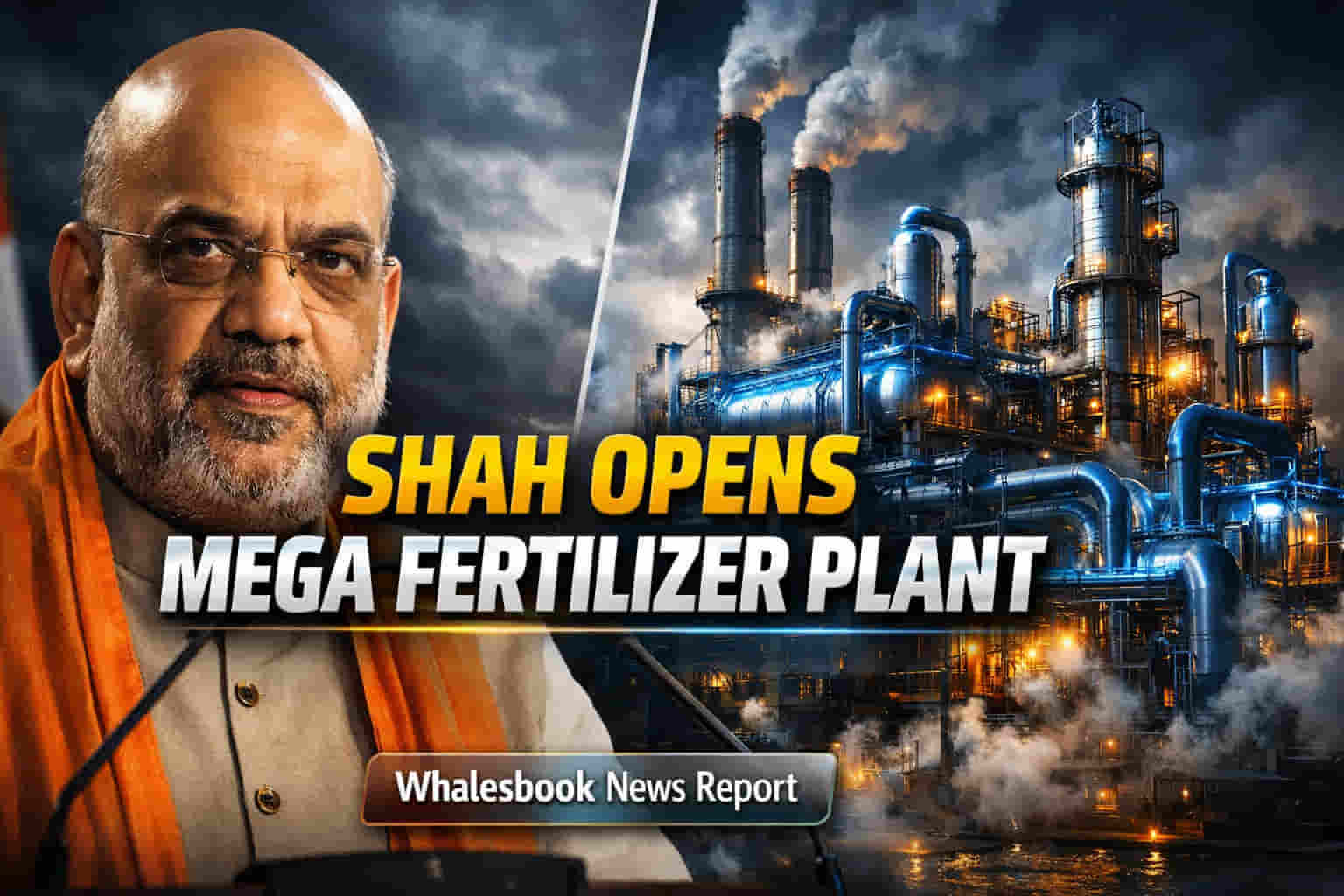


The Strategic Imperative: Bolstering Fertilizer Self-Sufficiency
Union Home Minister Amit Shah recently dedicated the newly commissioned Sulphuric Acid Plant-III (SAP-III) at Indian Farmers Fertiliser Cooperative Limited (IFFCO)'s Paradeep unit in Odisha to the nation. This facility, built at an estimated cost of ₹750 crore, represents a substantial addition to India's fertilizer production infrastructure, capable of producing approximately 2,000 metric tonnes per day. The expansion is strategically aligned with the government's 'Atmanirbhar Bharat' (self-reliant India) agenda, aiming to reduce dependence on imported raw materials and bolster domestic fertilizer output. Minister Shah highlighted that IFFCO, with its farmer-owner model, benefits nearly five crore farmers across the country, framing this expansion as a direct contribution to their economic strength and the nation's agricultural self-reliance [cite:Scrap]. The Paradeep complex, already one of India’s largest integrated phosphatic fertilizer production units, sees its operational capabilities further enhanced by this third sulphuric acid stream.
Operational Scale and Market Position
IFFCO's robust financial performance underscores its significant role in the Indian agricultural inputs sector. For the fiscal year 2024-25, the cooperative reported a turnover of ₹41,244 crore and a profit before tax exceeding ₹3,800 crore, with a net profit of ₹2,823 crore. This performance is supported by steady government subsidy payouts and efficient operations. Globally, IFFCO holds the distinction of being ranked number one among the top 300 cooperatives worldwide by the International Cooperative Alliance. Within the fragmented Indian fertilizer market, where large cooperatives and state-owned firms dominate volumes, IFFCO stands as a key player, competing alongside entities like Coromandel International, Chambal Fertilizers, and National Fertilizers. The cooperative's capacity has grown significantly since its acquisition of the Paradeep unit in 2005, increasing total fertilizer production to 93.10 lakh metric tonnes in FY24-25.
Input Cost Volatility and Subsidy Dependency
The commissioning of SAP-III occurs against a backdrop of global market volatility for essential raw materials. Sulphur prices, a critical input for sulphuric acid, have shown regional tightness and upward pressure due to strong demand from the fertilizer sector, particularly phosphates. While sulphur prices remained steady in India around USD 0.44/kg in early 2026, global trends indicate potential cost pressures. Ammonia prices have also surged due to supply constraints from plant shutdowns and gas supply cuts. This price sensitivity for key inputs directly impacts fertilizer production costs. Consequently, the Indian fertilizer sector remains heavily reliant on government subsidies, which are crucial for making these inputs affordable for farmers and ensuring food security. The government's Nutrient Based Subsidy (NBS) scheme and the Direct Benefit Transfer (DBT) system, introduced in 2016, are central to this model.
The Forensic Bear Case: Efficiency, Competition, and Farmer Realities
While IFFCO's expansion aligns with national self-reliance goals, several factors warrant scrutiny. The cooperative's significant scale and government backing place it in a strong market position, but the inherent dependency on subsidies presents a systemic risk, as policy shifts could impact financial stability. Furthermore, while IFFCO's turnover and profits are substantial, the true economic benefit to the average farmer, beyond subsidized input prices, can be diluted by operational overheads and the cooperative's broader corporate structure. The company itself has noted that growth in sales volumes for its innovative nano-fertilizers has not met expectations, suggesting challenges in farmer adoption or market penetration despite technological advancements. In a competitive landscape featuring agile private players and large public sector undertakings, IFFCO must continually demonstrate operational efficiency and value delivery to remain competitive, particularly as global input costs fluctuate. Environmental compliance costs and the long-term sustainability of subsidy-driven demand also represent ongoing challenges.
Future Outlook
The Indian government remains committed to strengthening the cooperative movement and enhancing agricultural productivity through modern infrastructure and input availability. IFFCO's strategic investments, including the new sulphuric acid plant, are central to this vision. Future growth may involve further capacity expansions and a continued focus on innovative products like nano-fertilizers, with efforts to build farmer awareness and support their adoption. The cooperative's aim to achieve zero imports of sulphuric acid signifies a push towards complete domestic value chain integration, underscoring the ongoing drive for agricultural self-sufficiency in India.