

Havells India reported a 16.7% decline in Q1 FY27 net profit to ₹290 crore despite a 19.5% revenue growth to ₹6,518 crore. Investors are assessing the impact of rising raw material costs on margins and the company's ₹1,400 crore capital expenditure plan for the fiscal year.
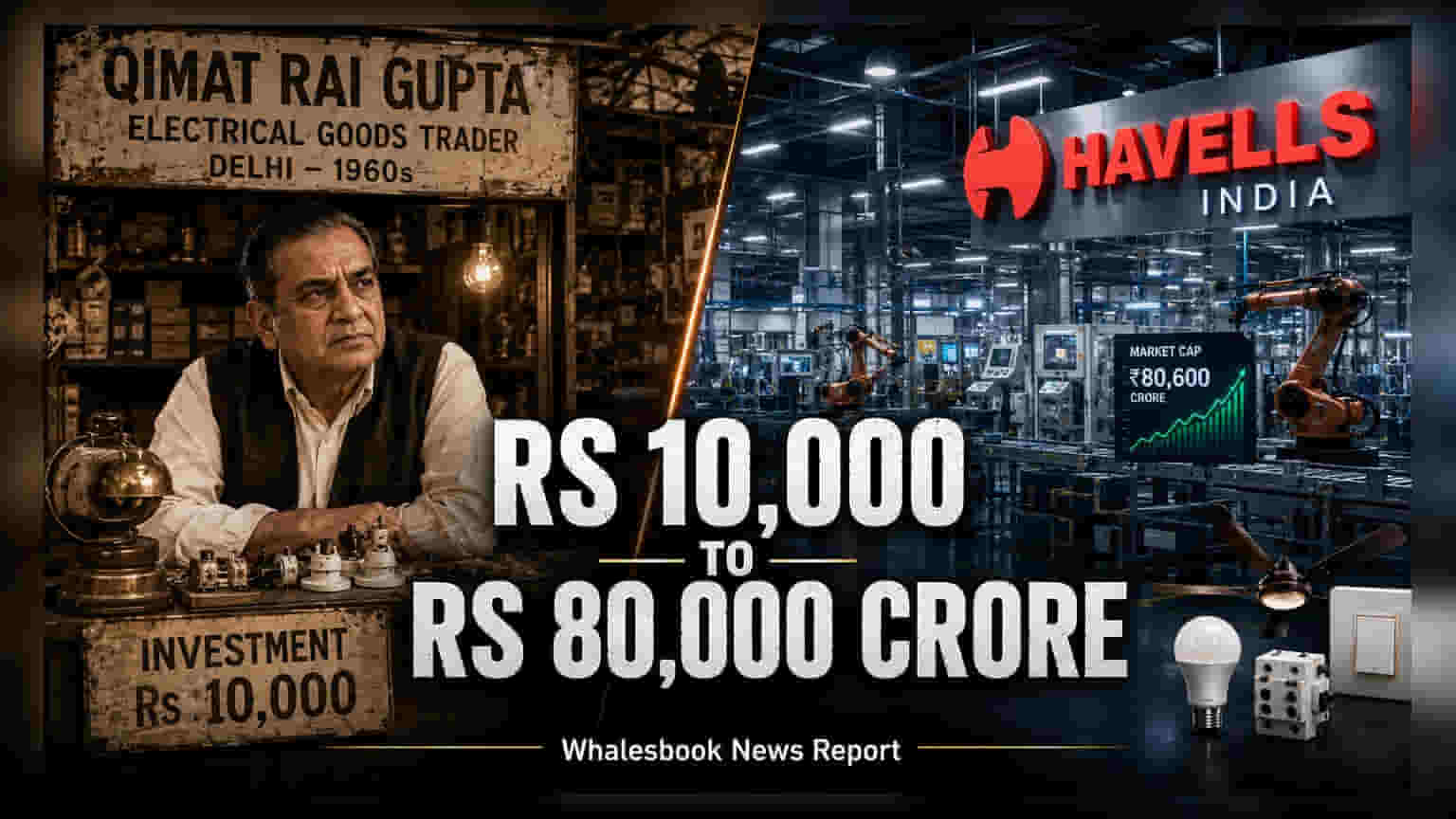
Havells India, which has evolved from a small trading business into an electrical goods powerhouse with a market capitalization of roughly ₹80,600 crore, is currently navigating margin challenges. In its latest financial results for the quarter ending June 30, 2026 (Q1 FY27), the company recorded a consolidated revenue of ₹6,518 crore, marking a 19.5% increase compared to the same period last year. However, the company's consolidated net profit dropped by approximately 16.7% to ₹290 crore.
The decline in profitability highlights the impact of rising raw material costs on the company’s bottom line. The EBITDA margin, which measures operational profitability, compressed to 7.15% in Q1 FY27 from 9.46% in the same quarter of the previous year. This pressure was largely driven by volatility in the prices of key inputs such as copper and aluminum, which are essential for the company's manufacturing processes.
While the company has built a legacy starting from the vision of founder Qimat Rai Gupta, who began with a modest investment in the 1950s, the current focus for stakeholders remains on managing costs and sustaining growth in a competitive environment. The shift from a trading entity to a manufacturing-centric electrical goods giant has provided scale, but the company must now balance this with efficient cost management in its diverse portfolio, which includes brands like Havells, Lloyd, and Crabtree.
To drive future growth, Havells has outlined a capital expenditure plan of ₹1,400 crore for FY27. This money is earmarked for expanding cable manufacturing capacity and increasing investments in research and development. Investors are evaluating whether this significant spending will successfully offset the current margin pressure or if the competitive intensity in the consumer durables and fast-moving electrical goods (FMEG) sectors will require further strategic adjustments.
The company is scheduled to engage with analysts and institutional investors at the Motilal Oswal 22nd Annual Global Investor Conference on August 17, 2026. This meeting is likely to be a key point for the management to address concerns regarding the recent earnings performance, the strategy for handling raw material price volatility, and the execution timeline for the planned capital expansion.