 Whalesbook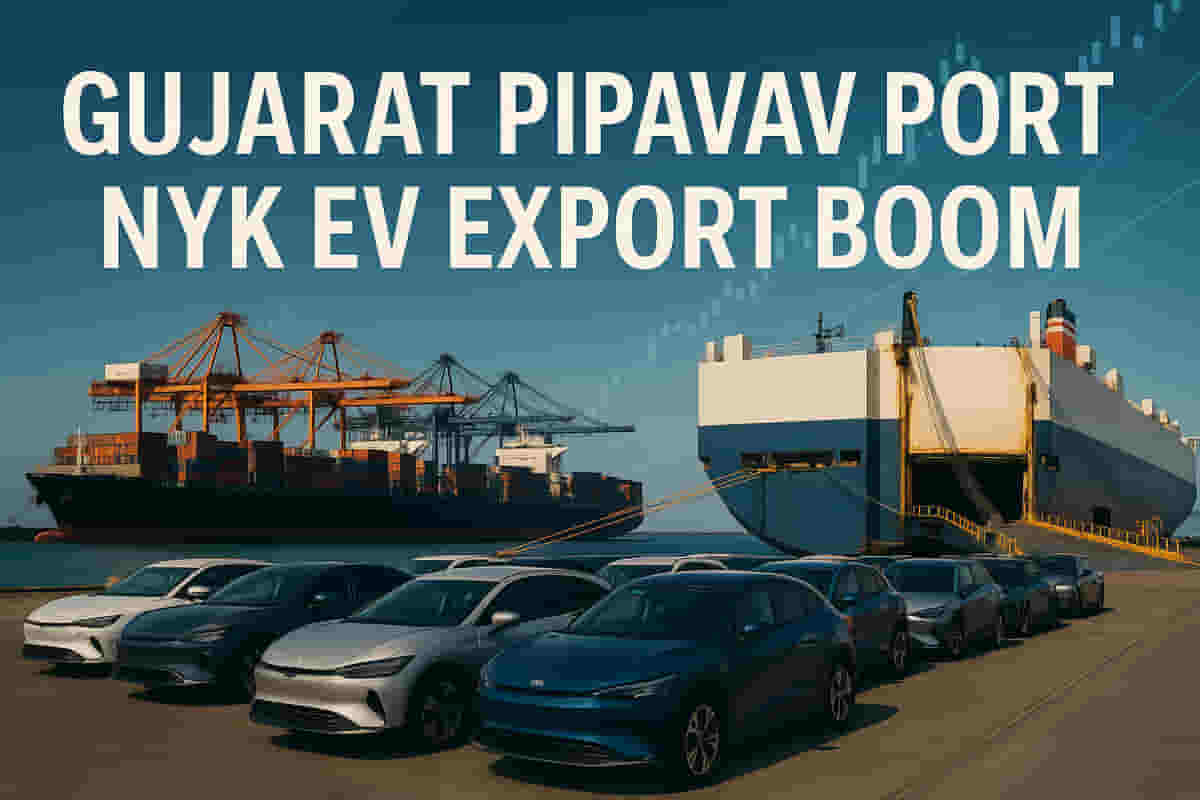
Gujarat Pipavav Port Limited, now operating as APM Terminals Pipavav, has entered into a significant non-binding Memorandum of Understanding (MoU) with NYK India Private Limited. This landmark agreement is poised to revolutionize the port's roll-on, roll-off (RoRo) infrastructure, directly supporting and accelerating India's burgeoning vehicle export market and advanced automotive logistics, with a particular focus on electric vehicles (EVs).
The MoU signifies a crucial step towards modernizing Pipavav Port's capabilities. It outlines a collaborative effort between Gujarat Pipavav Port and NYK India to develop specialized RoRo facilities. This initiative is critical for accommodating the rising volumes of vehicle exports from India, a sector experiencing rapid growth. The partnership's emphasis on electric vehicles highlights India's commitment to sustainable automotive development and its ambition to become a global hub for EV manufacturing and export.
Key Developments
- Gujarat Pipavav Port Limited announced signing a non-binding MoU with NYK India Private Limited.
- The agreement focuses on enhancing the port's roll-on, roll-off (RoRo) infrastructure.
- This move is aimed at boosting India's vehicle exports and automotive logistics, including EVs.
Strategic Partnership Details
- The MoU outlines a collaboration to develop high-quality RoRo facilities at Pipavav Port.
- The partnership is expected to support handling capacities of up to 500,000 cars annually.
- Key objectives include reducing cargo dwell time and synchronizing vessel and rail operations for better efficiency.
Focus on Electric Vehicles and Exports
- A significant aspect of the agreement is its focus on enabling India's growing electric vehicle exports.
- This aligns with India's vision to promote green mobility and establish itself as a manufacturing hub for EVs.
- The enhanced infrastructure will cater to modern automotive logistics needs, including those of next-generation vehicles.
Port Infrastructure and Capabilities
- Pipavav Port, operated by APM Terminals Pipavav, is a strategic deep-water port on Gujarat's coast.
- It handles diverse cargo, including containers, dry bulk, liquid cargo, and RoRo vessels.
- The port's strong rail connectivity and strategic location on international trade routes make it ideal for such expansions.
Market Reaction
- Following the announcement, shares of Gujarat Pipavav Port rose approximately 3.2% on the BSE, reaching an intra-day high of ₹187.75.
- The stock was trading 1.07% higher at ₹183.85 at 1:08 PM on the BSE, outperforming the benchmark Sensex which was down 0.3%.
- The market sentiment appears positive, reflecting investor confidence in the strategic implications of the MoU.
Future Expectations
- This partnership is anticipated to significantly increase the volume and efficiency of vehicle exports handled by Pipavav Port.
- It could lead to improved revenue streams for Gujarat Pipavav Port Limited through increased cargo handling and specialized services.
- The development is expected to enhance India's competitiveness in the global automotive export market.
Impact
- This strategic move is expected to have a significant positive impact on Gujarat Pipavav Port Limited's operational efficiency and financial performance by boosting cargo volumes and service offerings.
- It will strengthen India's position in global automotive logistics and EV exports, potentially attracting more foreign investment into the sector.
- The development contributes to India's goal of becoming a major manufacturing and export hub for vehicles.
- Impact Rating: 8/10
Difficult Terms Explained
- Non-binding Memorandum of Understanding (MoU): An initial agreement between parties outlining their mutual intentions to proceed with a deal, but not legally obligating them to do so until a formal contract is signed.
- Roll-on Roll-off (RoRo) Infrastructure: Specialized facilities, including ports and vessels, designed to carry wheeled cargo such as cars, trucks, and other vehicles that can be driven directly onto and off the ship.
- Dwell Time: The amount of time cargo or a vehicle spends waiting at a port or facility before being loaded onto a ship, transported, or moved to its next destination. Reducing dwell time increases efficiency.
- Vessel– Rail Synchronisation: The coordination of ship arrivals and departures with the schedules of train services to ensure seamless and efficient transfer of cargo between sea and land transport.