 Whalesbook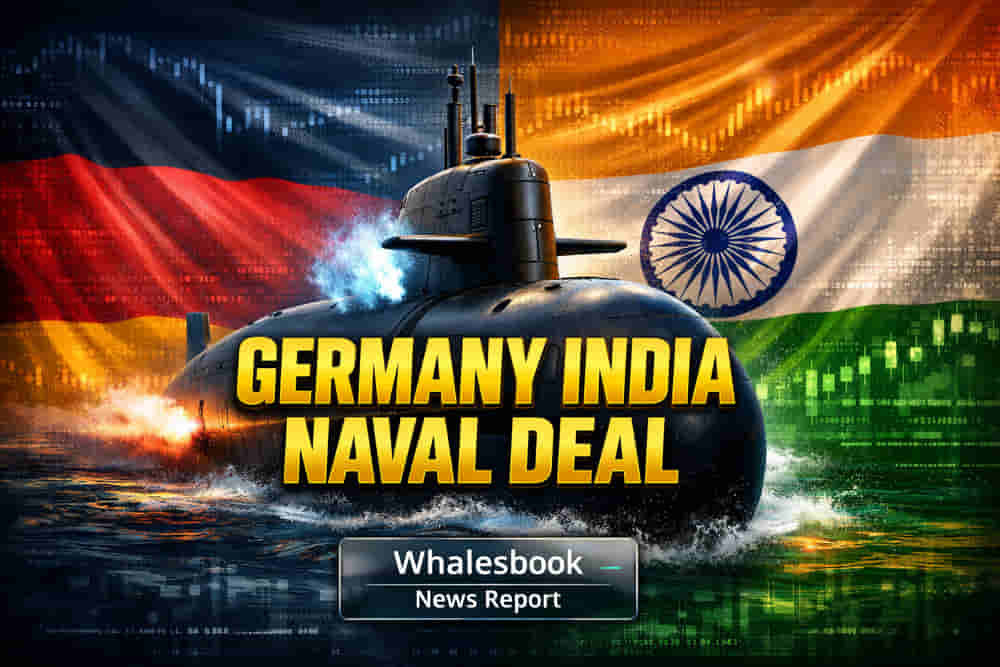
Germany and India are on the cusp of concluding a substantial submarine manufacturing agreement valued at over $8 billion. This potential deal, the largest defense contract in India's history, marks a significant escalation in bilateral defense cooperation.
Landmark Technology Transfer
The proposed pact is set to include the transfer of advanced submarine technology to India for the first time. Thyssenkrupp Marine Systems GmbH of Germany would collaborate with India's state-owned Mazagon Dock Shipbuilders Ltd to facilitate manufacturing within India. Sources indicate that the confidential discussions are progressing ahead of German Chancellor Friedrich Merz's visit to New Delhi next week.
Reshaping Naval Strategy
This agreement could prompt India to reconsider its current naval procurement plans. Currently operating a mix of Russian and French submarines, India might abandon plans to acquire three additional French vessels should the German deal materialize. The submarines are expected to feature air-independent propulsion (AIP) systems, enhancing their submerged endurance critical for strategic patrols in the Indian Ocean.
'Make in India' Ambitions
The deal strongly aligns with India's long-standing "Make in India" initiative, which aims to bolster domestic manufacturing and technological self-sufficiency in defense. New Delhi has actively encouraged foreign defense manufacturers to establish production lines in India, a policy reinforced by import restrictions on major platforms implemented in 2020. This agreement is seen as a strategic move to reduce India's historical dependence on Russian arms, even as the German defense sector experiences growth post-Ukraine invasion.