

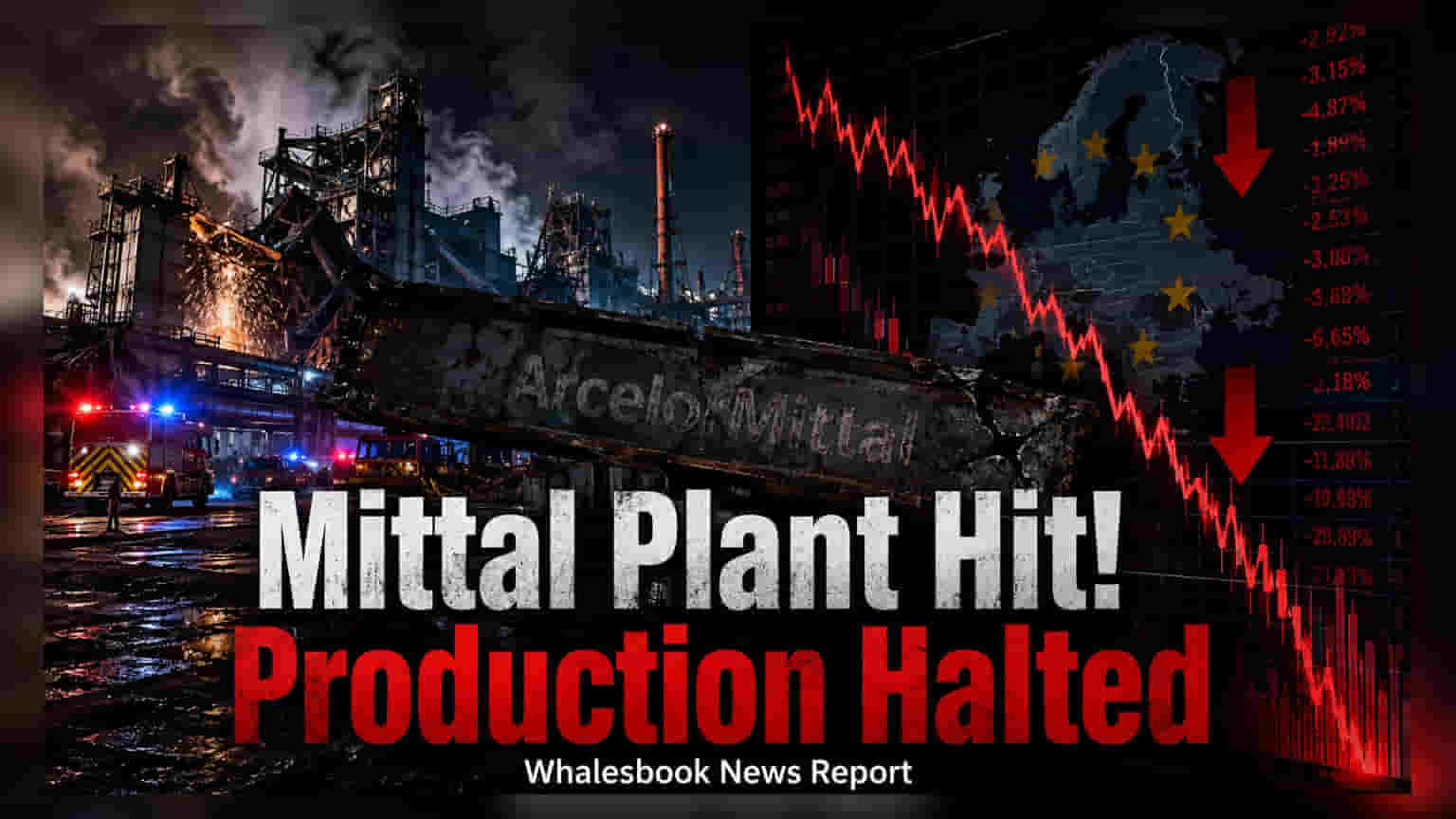
A Russian missile strike on ArcelorMittal's Kryvyi Rih steel plant in Ukraine has caused a partial production halt, resulting in two fatalities. The attack damaged critical blast furnace and power infrastructure, highlighting the ongoing operational risks for industrial assets in the conflict zone.
A major missile attack on August 16, 2026, targeted ArcelorMittal's Kryvyi Rih facility in Ukraine, which is the nation's largest steel production plant. The strike resulted in the deaths of two workers and left more than a dozen others injured. The damage to vital power-generation units and blast-furnace infrastructure has forced a partial suspension of operations at the site.
This incident adds to the operational challenges facing the facility, which has been under pressure since the conflict began in February 2022. The plant, operated by the global steel major, remains a key industrial asset in the region. The immediate impact of this strike is a disruption in production capacity, as the facility requires stable energy and undamaged infrastructure to maintain output.
For investors and market watchers, the incident highlights the ongoing risks for industrial operations located in regions of active conflict. Maintaining facilities in such environments often involves significant extra costs, including higher spending on repairs, energy supply, and safety protocols for employees. While the Kryvyi Rih plant is a major facility, it represents one part of the global company’s wider operations. As of August 17, 2026, there have been no official exchange filings in India or major global updates indicating a material impact on the company’s consolidated global financial health, which is largely driven by broader steel demand and international pricing trends.
Safety concerns for the workforce and the logistical difficulty of maintaining supply chains remain significant issues for the plant's management. The facility has faced similar threats in the past, and continued security risks could impact the long-term feasibility of sustained high-volume production. Investors may monitor company statements regarding the timeline for repairs, the restoration of energy supplies, and any potential updates on production guidance for the Ukrainian operations.
Future updates will depend on the site's ability to resume full capacity and the stability of the surrounding power infrastructure. Market participants often track how such operational disruptions are managed and whether they lead to any shift in the company’s broader capital allocation or regional strategy.