

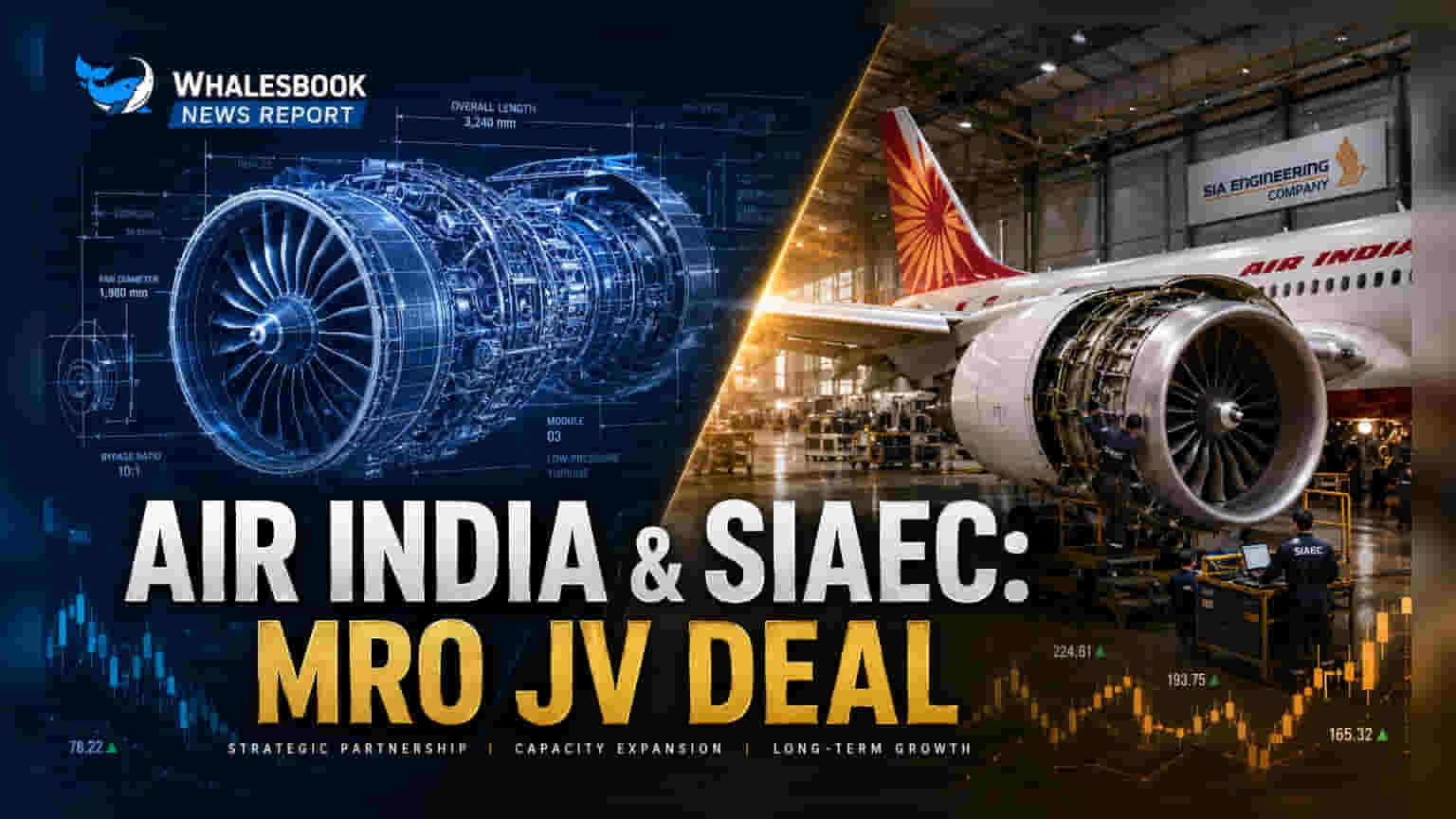
Air India and SIA Engineering Company have signed an agreement to explore setting up a maintenance, repair, and overhaul facility in India. This venture aims to strengthen domestic aviation infrastructure by leveraging SIAEC's technical expertise for aircraft servicing and component support.
What Happened
Air India and SIA Engineering Company (SIAEC) have signed a Memorandum of Understanding to study the creation of a joint venture for aircraft maintenance, repair, and overhaul (MRO) services in India. SIAEC is a subsidiary of the Singapore Airlines Group and provides specialized technical support to various airlines globally. This new initiative is a step toward developing local capacity to service aircraft, reducing the industry's reliance on facilities outside of India for major maintenance needs.
Building on Existing Ties
This collaboration is not the first time the two companies have worked together. SIAEC already serves as a strategic partner for Air India's base maintenance operations in Bengaluru. Additionally, the two firms have a 12-year agreement in place for Inventory Technical Management, which covers component support for Air India’s Airbus A320 aircraft fleet. By forming a dedicated joint venture, the companies appear to be moving toward a more formal integration of these technical services within India.
Why MRO Matters for the Aviation Sector
As the number of commercial aircraft operating in India grows, the need for timely and cost-effective maintenance becomes essential. Currently, a significant portion of heavy maintenance for Indian carriers is outsourced to facilities in other countries, which involves time-consuming logistics and higher costs. Developing a local MRO ecosystem could help airlines improve the time their aircraft spend in the air rather than on the ground. For Air India, having an in-house or joint-venture MRO facility may assist in managing its fleet expansion and maintenance schedules more efficiently.
The Business Reality Check
Establishing a world-class MRO facility involves high capital spending on specialized hangars, equipment, and certified technical manpower. While the partnership aims to leverage SIAEC's technical knowledge, the success of the venture will depend on the ability to secure regulatory approvals and attract enough volume from other airlines to make the facility financially viable. Investors should note that MRO projects often have long gestation periods before they contribute to profit. The company will need to manage the balance between infrastructure spending and the long-term gains in operational efficiency.
What Investors Should Track
Since this is currently an exploration phase via a Memorandum of Understanding, the key monitorables are the finalization of the joint venture structure, the planned location, and the expected timeline for facility completion. Investors may also watch for further updates on how this venture fits into the broader capital allocation plans for the Tata Group’s aviation business, especially concerning debt and project timelines.