

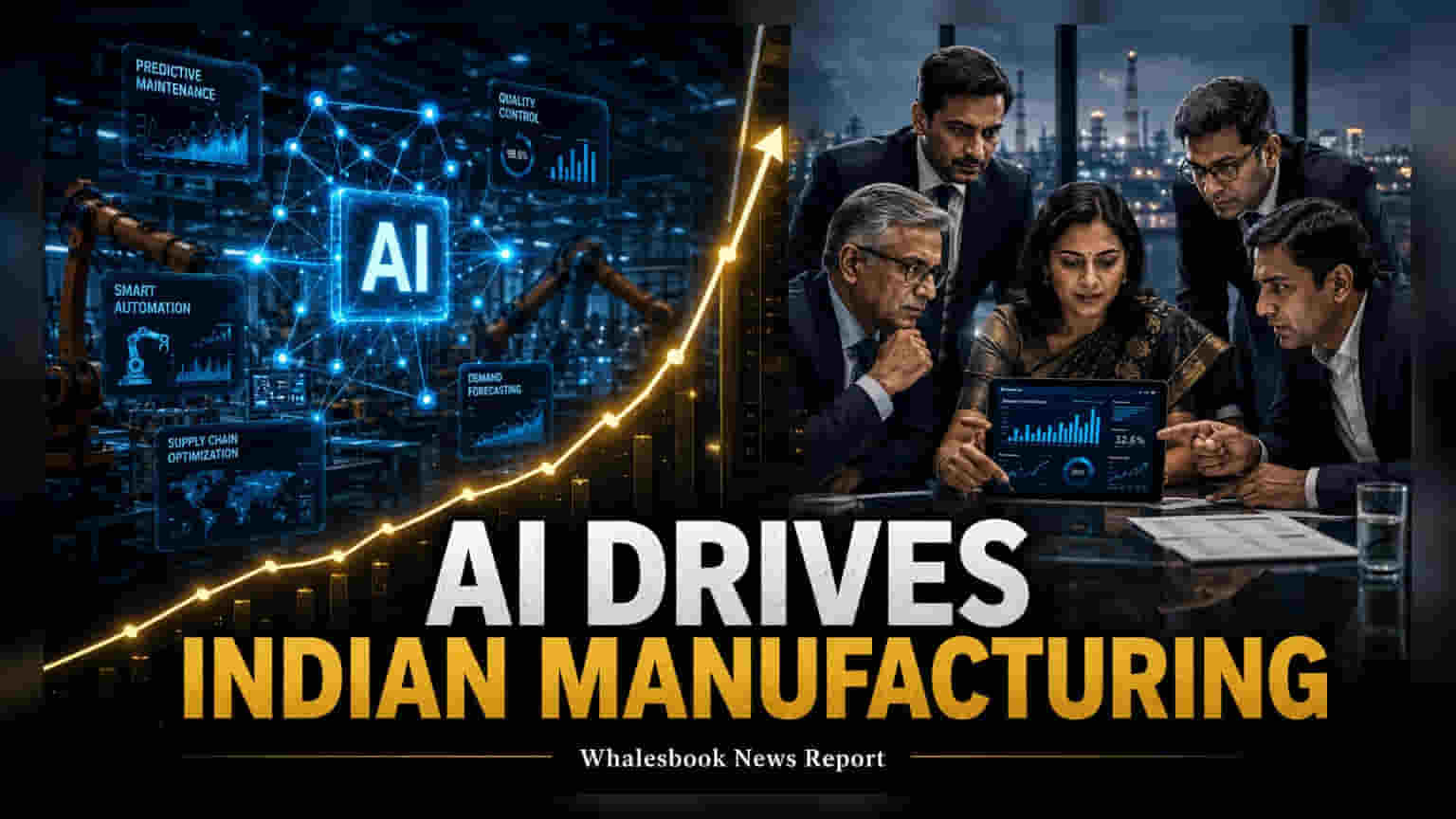
A new PwC India report highlights that 59% of Indian manufacturers view AI as a primary growth driver over the next five years, outpacing the global average of 52%. Companies are focusing on automating data capture, quality control, and customer operations. For investors, the success of these AI investments will depend on how effectively firms integrate these tools into their core business models and production strategies.
Indian industrial manufacturers are increasingly looking toward artificial intelligence to steer their expansion plans. According to a recent report by PwC India, titled "Rewriting the Rules: The Next Chapter of Indian Industrial Manufacturing," 59% of manufacturers in the country consider AI a central growth factor for the upcoming five years. This level of optimism is higher than the global average of 52%, suggesting that local firms are aiming for a faster pace of digital transformation than many of their international peers.
Scaling Automation Beyond Simple Productivity
The adoption of AI is not limited to isolated departments but is spreading across the industrial value chain. Manufacturers are prioritizing automation in areas where it can provide immediate operational clarity and efficiency. Data capture and analytics represent the primary focus, with 82% of surveyed companies planning to boost investment in these tools. Other key areas receiving attention include quality assurance at 69%, planning and forecasting at 65%, and customer engagement processes at 63%.
This trend indicates a shift in focus. While past technological investments often centered on basic cost-cutting, current efforts are directed toward creating higher-value outputs. By utilizing AI for better forecasting and tighter quality control, companies aim to reduce waste and improve the consistency of their production lines.
Strategic Hurdles and Future Execution
While the intent to adopt AI is high, the report notes that the mere purchase of software or hardware is not a guaranteed path to higher profits. The long-term financial benefit for investors will depend on how well these companies embed AI into their actual business strategies. Vinod Kumar, Partner and Leader of the Manufacturing Sector at PwC India, noted that successful outcomes will likely come from firms that pair these technology investments with changes in workforce skills and internal culture.
Investors should keep in mind that large-scale digital transformation often requires significant upfront spending on IT infrastructure and training. In the short term, this can weigh on profit margins. The primary monitorable for shareholders will be whether these companies can successfully translate their high AI adoption rates into measurable gains, such as improved operating margins, reduced project delivery times, or better control over supply chain costs. As manufacturers transition from pilot programs to full-scale operations, the ability to demonstrate a clear return on capital from these AI initiatives will be critical to sustaining market confidence.