

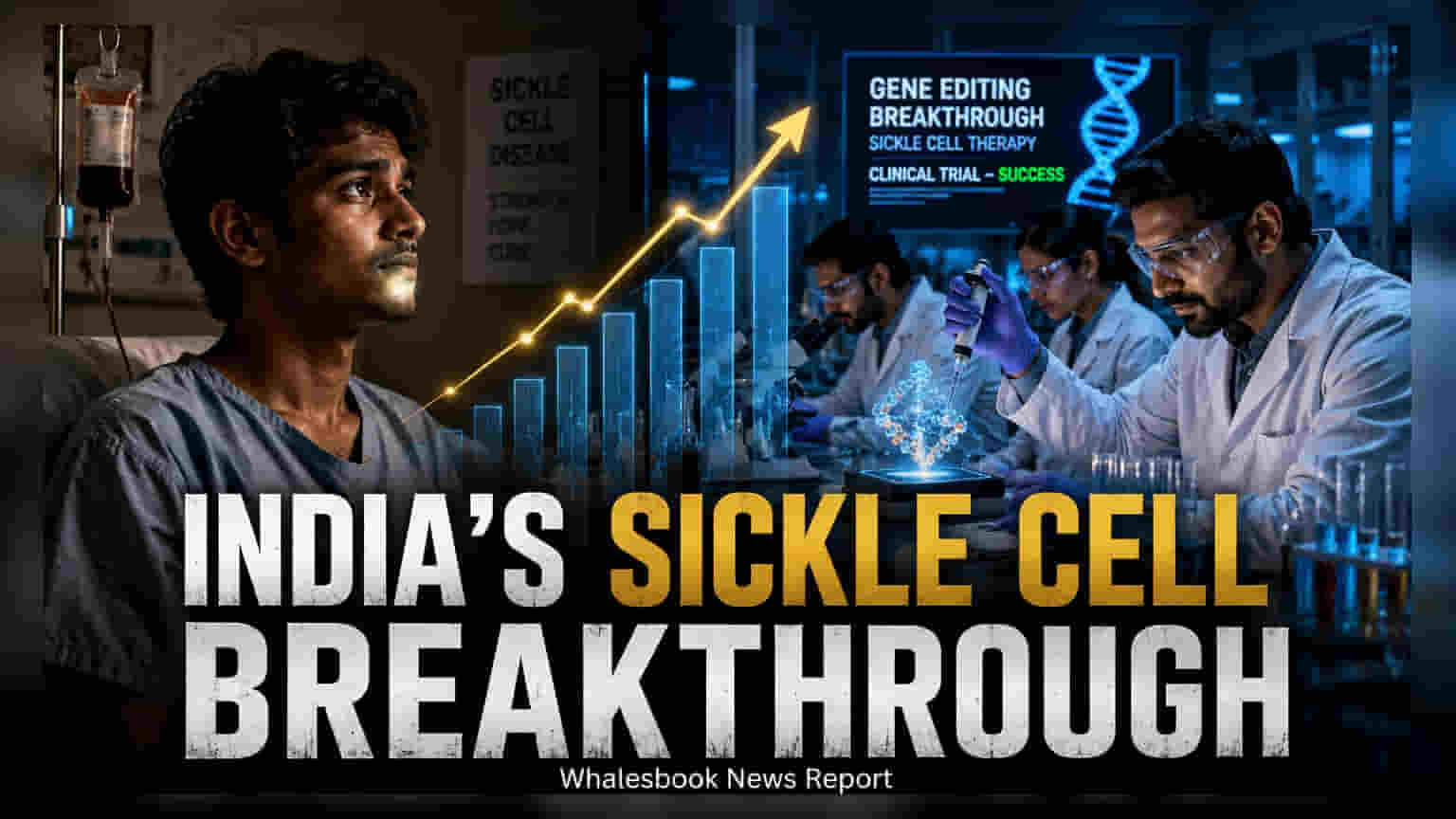
Zydus Lifesciences has moved its drug candidate, Desidustat, into Phase III clinical trials for sickle cell anaemia in partnership with the ICMR. This study aims to validate the oral therapy for a condition that has historically seen limited treatment options in India. Success in these trials could open a new treatment pathway for patients suffering from this inherited blood disorder.
Detailed Coverage
Zydus Lifesciences has officially commenced Phase III clinical trials for Desidustat, its drug candidate targeted at treating anaemia associated with sickle cell disease. This milestone follows the successful completion of Phase II studies and is being conducted in collaboration with the Indian Council of Medical Research (ICMR). The study will track 164 patients over a period of 203 days to evaluate the safety and efficacy of the medication.
Strategic Context and Regulatory Track Record
Desidustat is already an established molecule within the Zydus Lifesciences portfolio. It received approval from the Drug Controller General of India in March 2022 for the treatment of anaemia in patients suffering from chronic kidney disease. The company has also made international progress, with the drug receiving approval in China for renal anaemia in March 2026. Furthermore, the US Food and Drug Administration has granted the drug Orphan Drug Designation for both sickle cell disease and beta-thalassaemia, a recognition given to therapies designed to treat rare medical conditions.
Impact on Patient Care and Market Dynamics
Sickle cell anaemia is a severe genetic disorder that causes chronic fatigue and recurrent pain. In India, it is estimated to affect nearly 20 million people, with a high concentration among tribal populations. Because the patient pool for such rare diseases is smaller compared to lifestyle ailments, global pharmaceutical firms have historically shown limited interest in developing new treatments. Current standard-of-care options like hydroxyurea and blood transfusions often involve accessibility challenges or potential long-term side effects. By developing an oral therapy, Zydus Lifesciences is attempting to address these gaps in the domestic healthcare system.
Business and Research Considerations
For investors, this development represents the company's focus on moving toward higher-value, specialized pharmaceutical products. Collaborating with a national body like the ICMR typically helps in navigating regulatory hurdles more effectively. However, the pharmaceutical sector inherently carries the risk of clinical trial outcomes. While the molecule has been successful in other indications, its performance in sickle cell anaemia remains the key monitorable. The financial impact of this drug will depend on the successful completion of trials, subsequent regulatory approvals, and the eventual commercial scale and pricing strategy adopted by the company. Investors may track future updates regarding trial results and timelines for potential market launch, as these will influence the drug's long-term contribution to the company’s product portfolio.