

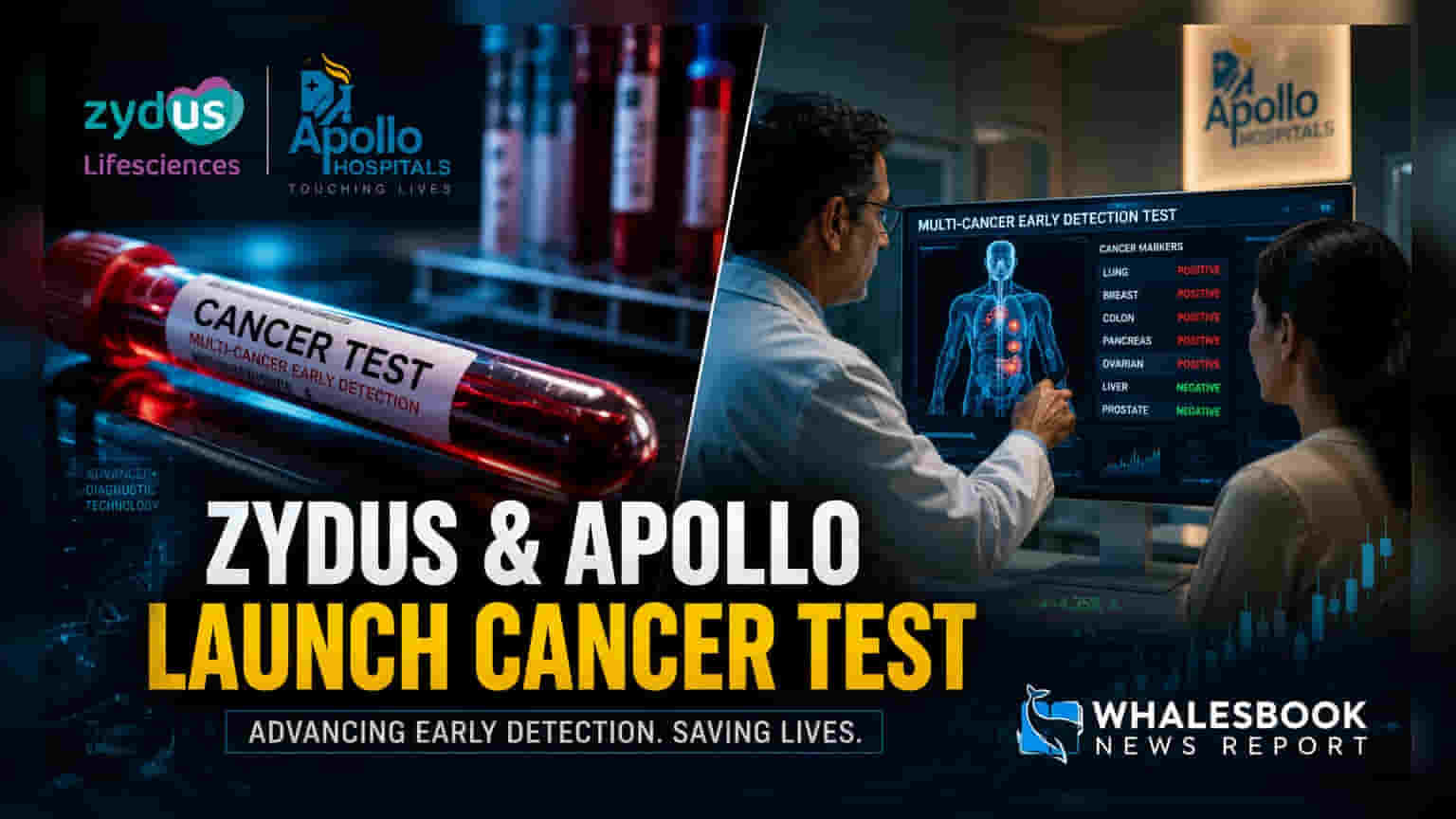
Zydus Lifesciences has tied up with Apollo Hospitals to roll out the Shield multi-cancer detection test in India. This blood-based test, developed by Guardant Health, targets early screening for individuals aged 45 and older. Investors will watch how this new diagnostic service impacts the company's healthcare portfolio and long-term revenue streams.
What Happened
Zydus Lifesciences Ltd has entered into a strategic partnership with Apollo Hospitals to launch the 'Shield' multi-cancer detection (MCD) test in India. Through an exclusive agreement with the U.S.-based precision oncology firm Guardant Health, Zydus has secured the rights to offer this blood-based screening test. The test is specifically designed for individuals aged 45 and above who are at average risk. By utilizing a single blood draw, the test aims to identify signals associated with multiple cancer types, including lung, breast, colorectal, and liver cancers, among others. The service will be integrated into the existing diagnostic offerings across the Apollo Hospitals network.
The Business Logic Behind the Move
For Zydus Lifesciences, this partnership is a move to expand its footprint in the high-growth diagnostics and oncology screening market. The company has been increasing its focus on specialized healthcare and diagnostic services to complement its core pharmaceutical business. By leveraging the vast network of Apollo Hospitals, Zydus gains immediate access to a large patient base, which is critical for the adoption of new, advanced diagnostic technologies. This approach allows the company to move toward higher-value products in the preventive healthcare space, potentially diversifying its revenue beyond traditional drug manufacturing.
Financial And Operational Context
Zydus Lifesciences has historically maintained a focus on expanding its portfolio through both internal research and strategic collaborations. While the company has a strong balance sheet with substantial cash reserves, the financial impact of this specific partnership will depend on the adoption rate of the test and the revenue-sharing model between Zydus, Apollo Hospitals, and Guardant Health. Investors often track how much the company spends on such marketing and diagnostic expansions versus the eventual return on capital. As this involves a specialized technology, the company’s ability to manage the logistics and market this premium test to the target demographic will be a key factor in its success.
Competitive And Sector Landscape
The Indian diagnostic sector is highly fragmented, with several large players and many smaller, regional labs. Providing advanced cancer screening tests allows companies like Zydus to differentiate their offerings from routine diagnostic services, which often face heavy price competition. By partnering with a major hospital chain like Apollo, the company is attempting to establish a presence in the specialized oncology segment, where accuracy and technological advantage are major factors. However, the diagnostic market also faces pressure from aggressive pricing by competitors and the need for continuous investment in new technology to maintain a business advantage.
What Investors Should Track
The most important monitorables for this venture are the actual uptake of the test across the hospital network, the pricing strategy, and the scalability of the service. Investors may also look for management commentary in future earnings calls regarding the revenue contribution from this segment. Given that this is a new technology, track whether it faces regulatory hurdles or if it successfully gains widespread clinical adoption as an alternative to traditional screening methods.