

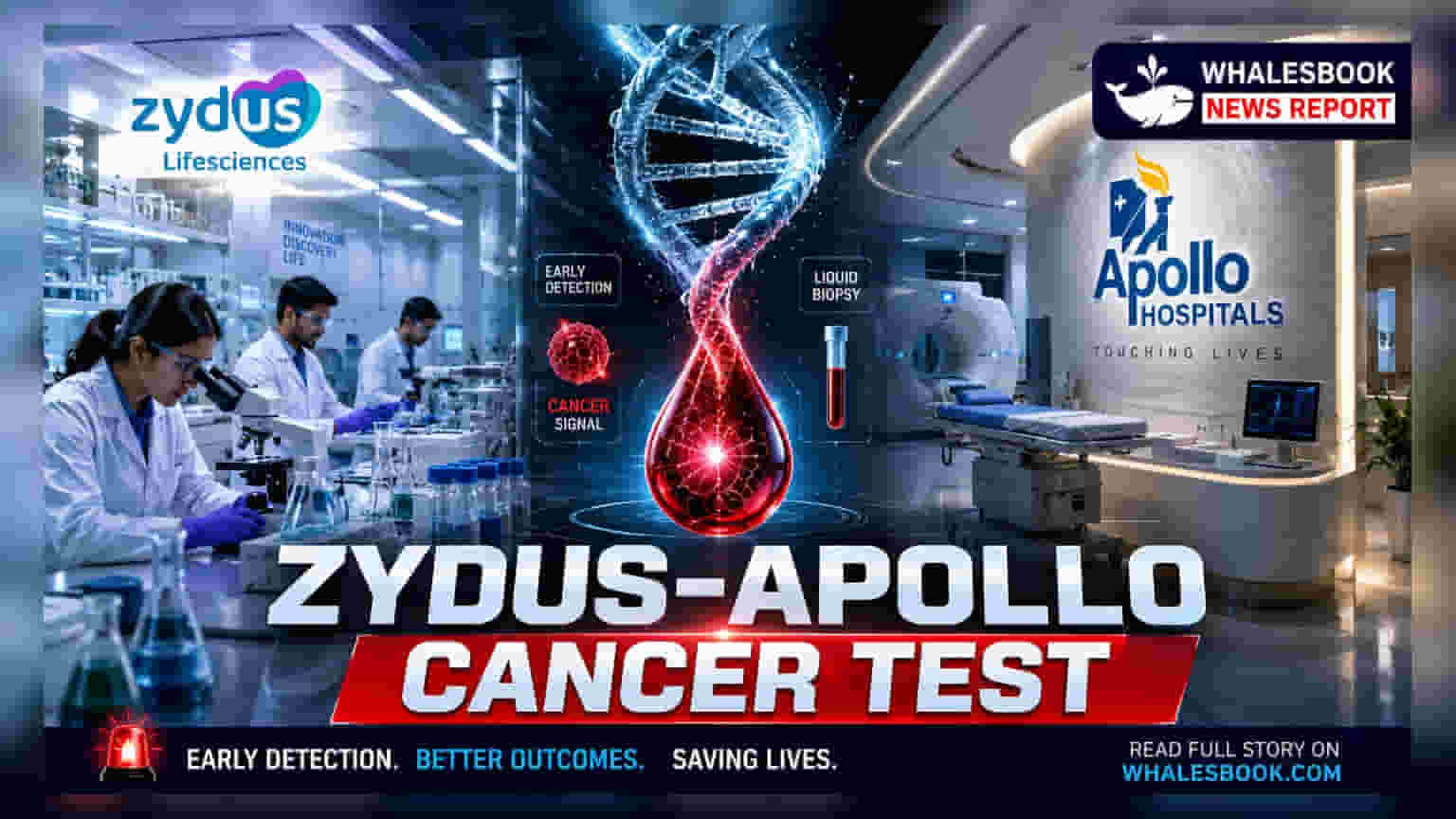
Zydus Lifesciences has partnered with Apollo Hospitals and Guardant Health to introduce a multi-cancer blood test in India. The screening tool detects 10 common cancers from a single blood draw, targeting early diagnosis for individuals aged 45 and above. This move marks a shift into high-tech diagnostics, though success depends on market adoption and clinical integration.
What Happened
Zydus Lifesciences, in collaboration with Apollo Hospitals and Guardant Health, has launched a new multi-cancer detection (MCD) blood test in India. The diagnostic tool uses methylation-based technology to screen for 10 common types of cancer—including lung, breast, colorectal, and pancreatic—using a single blood sample. The service is initially aimed at individuals aged 45 and above who are considered at average risk. This initiative leverages Guardant Health’s specialized screening technology to offer an alternative to traditional, often more invasive, diagnostic procedures.
Why This Matters For The Business
For Zydus Lifesciences, this partnership represents a strategic move to expand its presence in the growing specialized diagnostics sector. While the company is primarily recognized for its generic and specialty drug portfolio, moving into advanced screening technologies allows it to diversify its revenue streams. By partnering with Apollo Hospitals, one of India’s largest hospital chains, Zydus secures an immediate, large-scale distribution network for its new testing service. This could help the company transition from traditional pharmaceutical manufacturing toward high-value, tech-driven healthcare solutions.
The Market Context And Cancer Burden
Cancer remains a significant health challenge in India. According to public health data, the country recorded over 1.41 million new cancer cases and more than 900,000 deaths in 2022. Because early detection is often tied to better survival rates, there is a clear demand for accessible, non-invasive screening options. The technology used in this test has previously received a 'Breakthrough Device Designation' from the US Food and Drug Administration (FDA), which provides a foundation for its clinical credibility in the Indian market.
Financial And Execution Risks
Investors should consider that specialized diagnostic tests often face hurdles regarding adoption and pricing. While the technology is advanced, its commercial success will depend on how quickly it is integrated into routine health check-ups and whether the cost remains affordable for the broader population. Unlike standard blood tests, high-end diagnostics often require significant investment in physician awareness and laboratory infrastructure. Zydus and Apollo will need to demonstrate that this service can generate meaningful margins after accounting for the costs of new technology and hospital-level implementation.
What Investors Should Track
Moving forward, the primary monitorables include the uptake rate of these tests at Apollo Hospitals and any potential expansion of the screening program to other healthcare providers. Investors may also track management commentary in upcoming quarterly results regarding the revenue contribution from this diagnostics vertical. Additionally, any regulatory updates concerning the commercial rollout or potential insurance coverage for these screening tests will be important, as affordability will be the key driver for long-term scalability.