 Whalesbook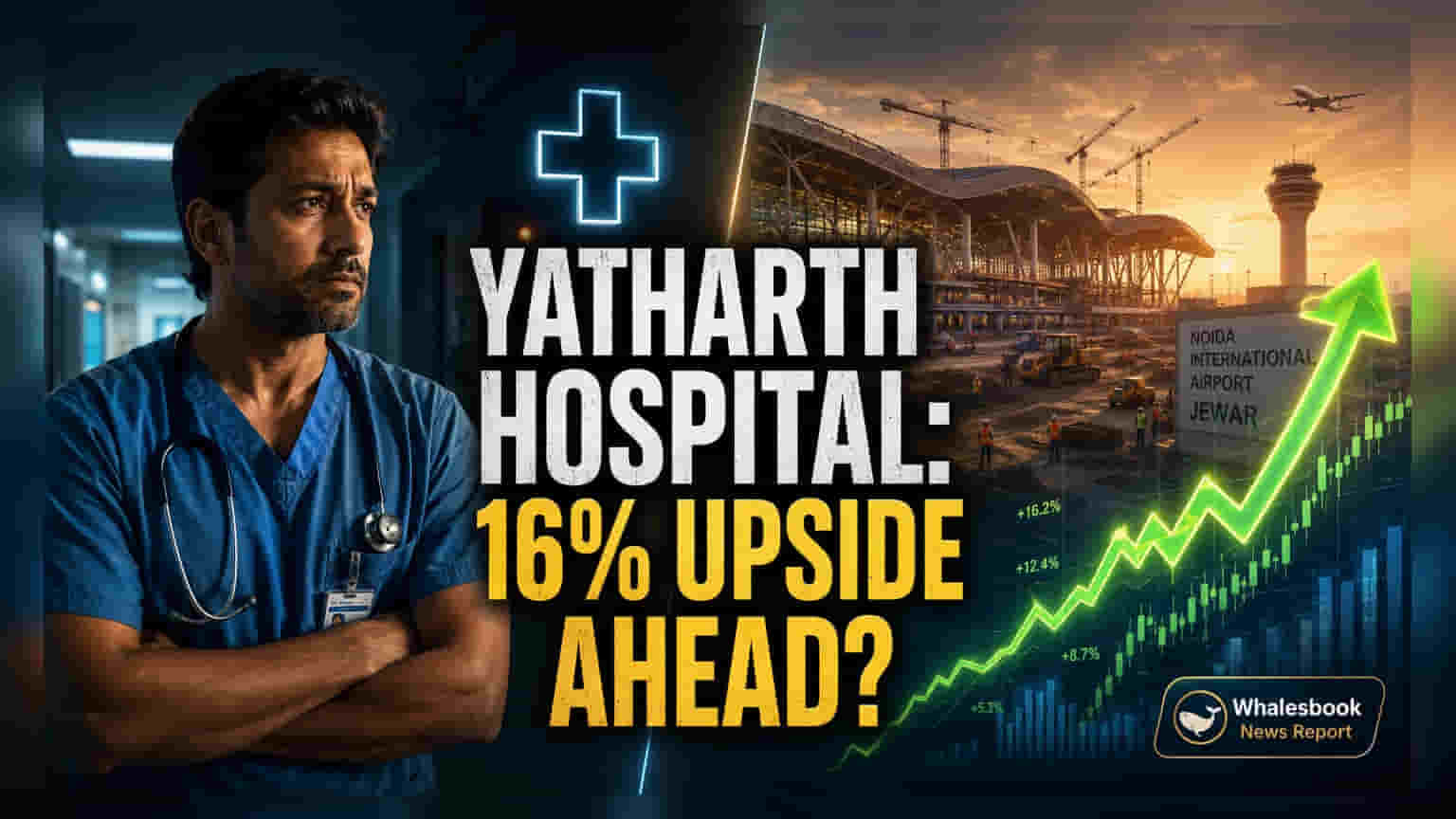


Yatharth Hospital & Trauma Care Services is focusing on its long-term infrastructure plan, aiming for a 5,000-bed capacity by FY29. This strategy aims to transform the company from a regional player to a national competitor in tertiary healthcare. Achieving this goal requires carefully balancing rapid facility growth with sustained operational profitability.
Margin Pressures Emerge
Despite strong revenue growth, EBITDA margins have slightly decreased from 25% to 23.3%. This indicates challenges in integrating new, costly medical facilities. The hospital is working to reduce its reliance on government health schemes, which currently represent over a third of its business. To succeed, it needs to increase the average revenue per occupied bed. This is difficult as the high number of state-funded patients puts downward pressure on revenue. Investors are watching to see if specialized services like oncology can offset the significant upfront costs of building new facilities.
Betting on Infrastructure and Location
Yatharth's expansion strategy differs from larger competitors like Max Healthcare and Apollo Hospitals, which have established medical tourism networks. Yatharth is counting on the upcoming Jewar Airport to attract international patients to the Noida region. This geographic advantage is a key part of the investment case. However, relying heavily on one major infrastructure project for future patient numbers introduces a significant concentration risk.
Risks and Investor Scrutiny
From a cautious viewpoint, the company's aggressive acquisition strategy presents challenges. Rapidly increasing bed capacity through existing sites can lead to longer periods before new units become profitable. Additionally, the company is still dealing with scrutiny over its corporate tax history, with a resolution expected in Q2FY27. Any delays in this timeline or failure for its new Faridabad and Delhi facilities to break even within the projected 10-15 months could lead to a stock downgrade. The recent 5% stock price drop, despite a positive market, suggests some investors are reassessing the current valuation due to concerns about debt levels associated with rapid expansion.
Future Prospects
The market generally has a cautiously optimistic view, expecting a 30% revenue compound annual growth rate through FY28 to support current stock prices. The success of this projection depends on the company's ability to expand its specialized service offerings without further impacting operating margins. Future stock performance will likely be tied to the effective scaling of new facilities and the realization of medical tourism revenue as the airport project nears completion.