 Whalesbook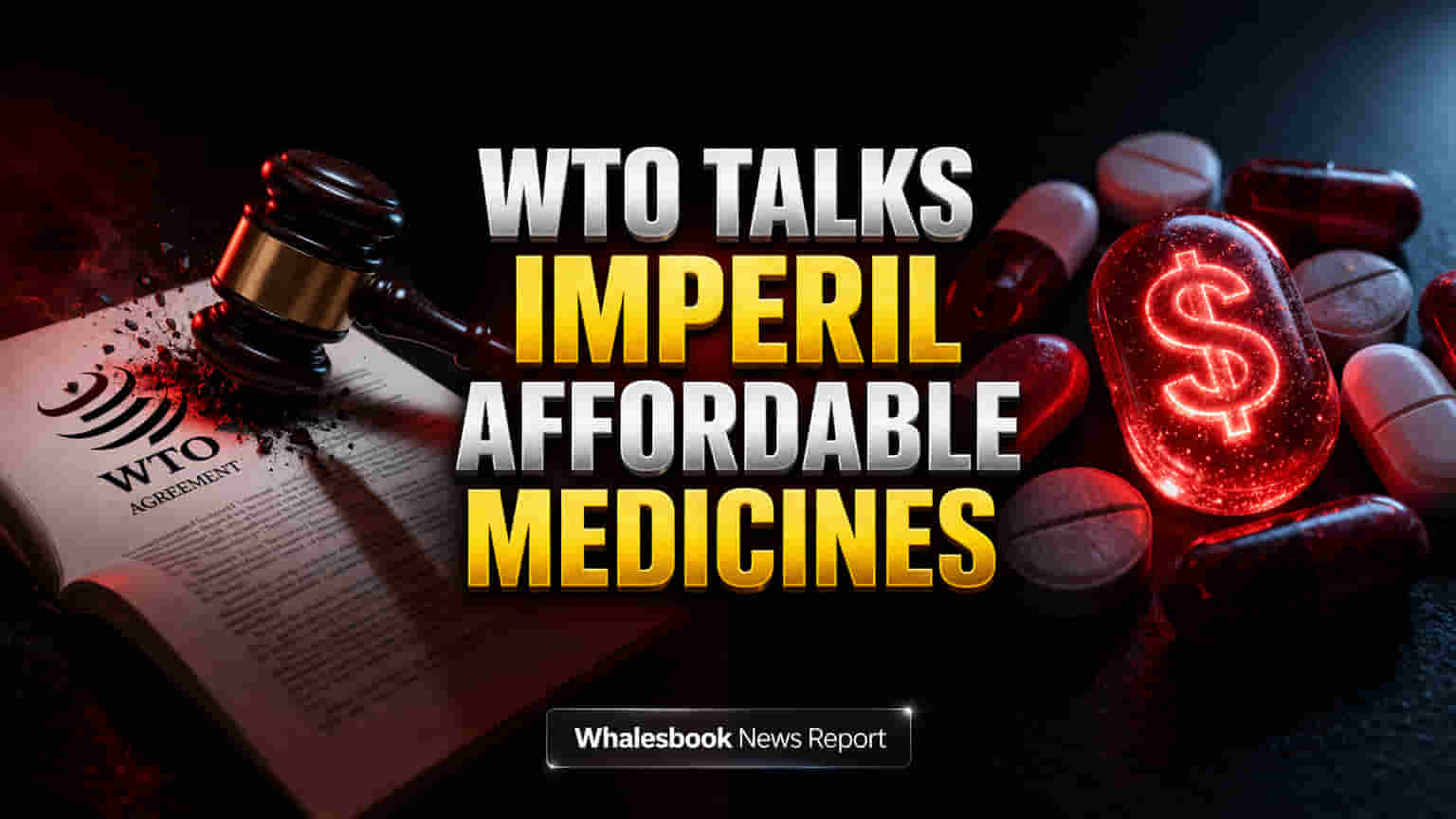
Key IP Protection Faces Deadline
The World Trade Organization's 14th Ministerial Conference (MC14), set to conclude March 29, 2026, is debating a vital decision on a nearly 30-year-old protection. This measure shields developing nations from certain trade complaints related to intellectual property under the TRIPS agreement, particularly those concerning "non-violation complaints." Civil society groups warn that if this protection expires, it could severely limit developing countries' ability to use TRIPS flexibilities. These flexibilities are crucial for getting affordable access to essential, life-saving medicines, like cancer drugs and antivirals, by allowing the use of compulsory licensing. Generic versions can cost far less than patented ones. A lapse could lead to WTO challenges against countries that issue these licenses, potentially resulting in trade sanctions.
Global Divide Over IP Rules
The debate over this IP protection is a flashpoint for global disagreements on intellectual property. Wealthier nations, like the United States, have often sought stronger IP enforcement and have questioned measures like India's Section 3(d), pushing for the protection to end. In contrast, many developing countries support the protection, viewing flexibilities like compulsory licensing as essential for public health and national policy. These flexibilities, supported by the Doha Declaration, allow governments to permit the production of generic drugs during health crises or when patented medicines are too expensive. Countries like Malaysia and Thailand have used these measures to significantly cut costs and increase access to medicines. The Third World Network points out these are fundamental aspects of the TRIPS agreement, not loopholes.
WTO's Struggling Trade Court
The current deadlock at MC14 reflects deeper structural problems within the WTO, especially the standstill in its dispute settlement system, particularly the Appellate Body. Without a functioning top court for trade disputes, the WTO's ability to resolve complex IP disagreements and enforce its rulings is significantly weakened. This limits options for countries wanting to defend their rights or challenge what they see as unfair IP demands. An arbitration decision in July 2025 between the EU and China on IP enforcement, handled through alternative means, shows how complex and contested these trade disputes are becoming. The ongoing inability to agree on foundational issues like this IP protection, a challenge for decades, reveals a wider struggle for the WTO to adapt to current global economic and health needs.
Wider Risks and Industry Concerns
If the protection against certain IP complaints expires, the effects could go beyond immediate access to medicines. For developing nations, it could mean less freedom to set national policies, facing more legal battles and potential trade penalties from powerful countries for using valid TRIPS flexibilities. This could discourage governments from taking actions vital for public health. Industry groups, including CropLife International and the U.S. Chamber of Commerce, argue that strong IP rights are necessary to drive innovation and investment, viewing any weakening of these rights as harmful. The lack of agreement at MC14 on this and other issues, like the U.S. push for a permanent e-commerce trade rule, risks fragmenting global trade rules further and undermining the WTO's stability. Lawmakers meeting before MC14 also called for comprehensive WTO reform, stressing the need to fix the dispute system and boost support for developing countries.
Outlook: A Test for Global Trade
The outcome of MC14 on the IP protection will be a key measure of the WTO's ability to balance competing interests, particularly between commercial IP rights and public health needs. A failure to extend or resolve this issue could signal a weakening of global cooperation on fair trade, potentially leading to more trade friction and harming efforts to ensure access to essential medicines worldwide. The conference's difficulty in addressing this long-standing issue points to broader governance challenges, affecting the organization's credibility and its capacity to handle future global health and economic crises.