

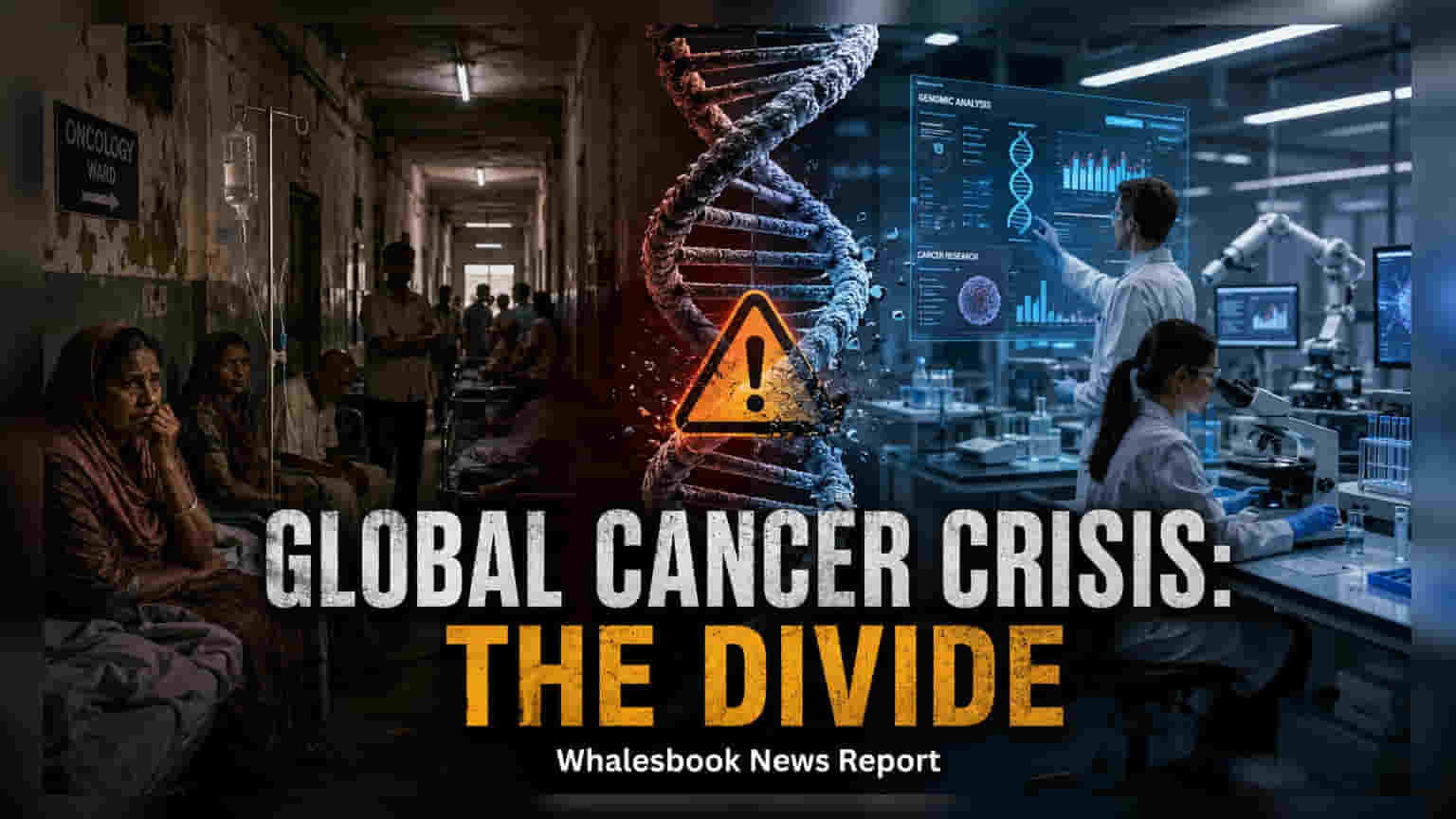
A new WHO-IARC report shows cancer cases are rising faster in low-income nations, where survival rates lag significantly due to limited medical access. With global cases projected to grow by 67% by 2050, the healthcare sector faces mounting pressure to improve diagnostic and treatment infrastructure in underserved regions.
The global fight against cancer is facing a structural shift as the disease burden migrates toward lower-income nations. According to a recent report by the World Health Organization (WHO) and the International Agency for Research on Cancer (IARC), the perception of cancer as a disease limited to affluent populations is becoming outdated. The data indicates that geography is increasingly dictating survival outcomes, as access to essential diagnostics and treatment remains unevenly distributed across the globe.
Scaling Infrastructure and Access Gaps
The report highlights a stark contrast in healthcare outcomes. While high-income countries report higher incidence rates often linked to better early detection and longer life expectancy, they also maintain significantly higher survival rates. For instance, five-year breast cancer survival exceeds 85% in wealthier nations, compared to less than 45% in low-income regions. This disparity is largely driven by a lack of basic services such as pathology, imaging, and radiotherapy in developing economies. For example, the availability of pathologists in Sub-Saharan Africa is roughly 50 times lower than in high-income nations, creating a bottleneck for early diagnosis.
Sector Implications for Healthcare Providers
The projected 67% increase in global cancer cases by 2050 suggests a long-term demand shift for healthcare providers, diagnostic firms, and pharmaceutical companies. Companies specializing in oncology, medical imaging equipment, and pathology services are likely to face increasing pressure to expand their reach into emerging markets. However, the execution of such expansion involves significant challenges, including pricing strategies to match local affordability, the establishment of logistics for specialized medicines, and the integration of diagnostic services into public health frameworks. Investors should track how medical technology and pharmaceutical firms navigate these regions, as the ability to bridge the treatment gap will likely influence future revenue growth and market share.
Future Growth and Risk Factors
Beyond access issues, the rise in cancer is also linked to modifiable risk factors like tobacco use, air pollution, and environmental exposures, which accounted for approximately 41% of cancer deaths in 2024. As countries work to address these health burdens, the demand for preventative screenings and early-stage intervention tools is expected to rise. The most critical monitorable for investors will be how global health policies evolve to fund these initiatives. Companies that can effectively lower the cost of diagnostic tests and essential cancer medicines through regional partnerships may see sustained interest, while firms unable to adapt to the specific economic constraints of lower-income markets may face slower growth in these high-potential regions.