 Whalesbook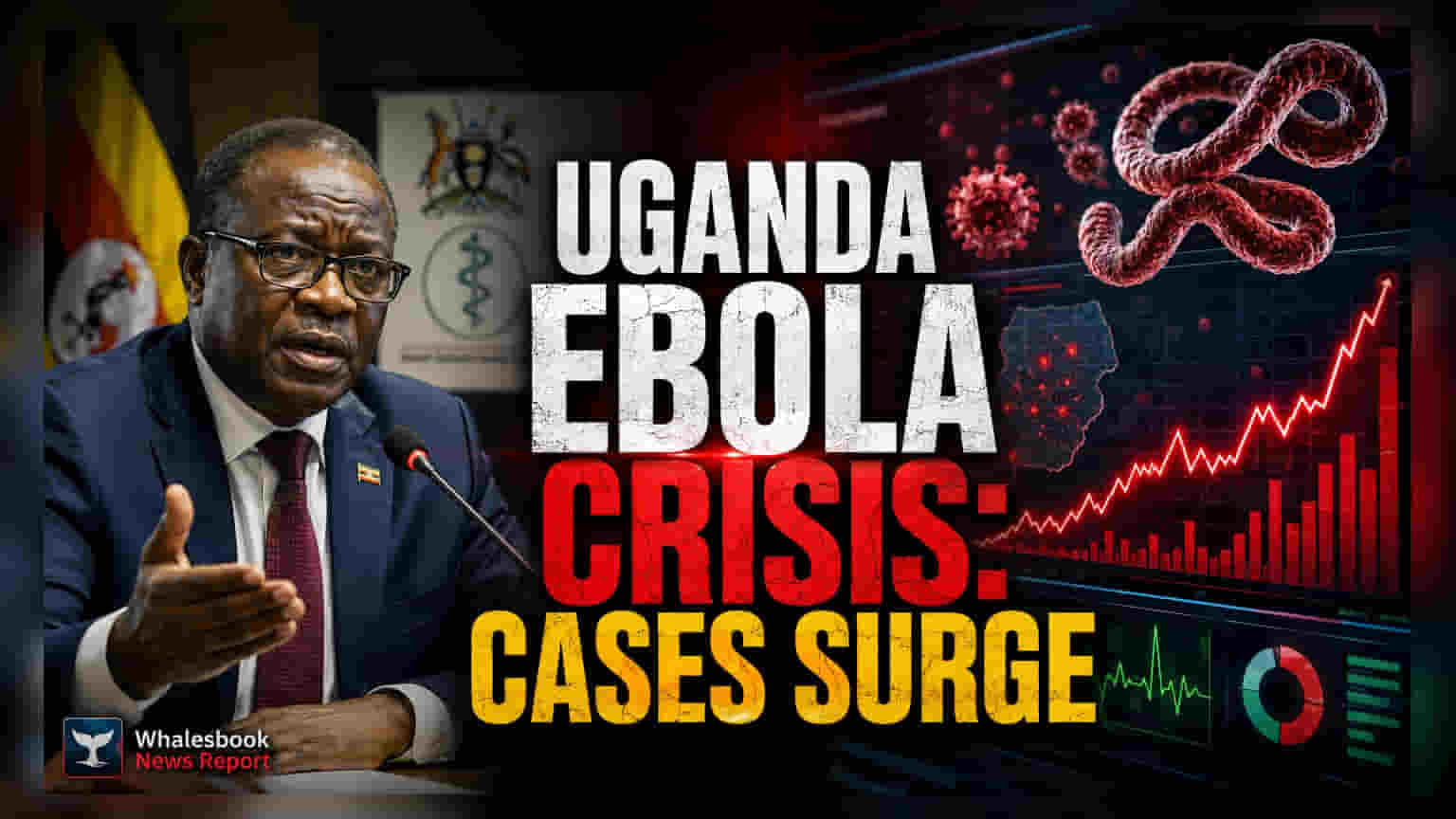


Uganda has confirmed three new Ebola cases, raising the total number of infections to five. This escalation highlights the urgent need for effective containment strategies. The new cases include a driver who transported the first patient and a healthcare worker, underscoring the virus's rapid spread through close contacts.
High Risk Amidst Undetected Spread
The World Health Organization (WHO) has assessed the risk from the Bundibugyo strain as 'very high' nationally and 'high' regionally. This assessment suggests the virus may have been circulating undetected for some time. Neighboring the Democratic Republic of Congo (DRC) faces a much larger outbreak with nearly 750 suspected cases and 177 deaths. The Bundibugyo strain, unlike the more common Zaire strain, lacks a licensed vaccine or specific treatments, and has a mortality rate of 25% to 50%.
Global Health Emergency Declared Amid Funding Cuts
The WHO's declaration of a Public Health Emergency of International Concern (PHEIC) calls for a coordinated global response. However, response efforts in the DRC are reportedly hampered by significant foreign aid cuts, impacting surveillance systems and leaving health agencies under-resourced. This financial strain complicates the provision of essential supplies and detection mechanisms. Insecurity and displacement in the DRC also hinder response teams.
Uganda's Preparedness and Past Experience
Uganda has taken swift measures, including suspending public transport to the DRC after the initial cases involving Congolese nationals. The country has previous experience with Ebola outbreaks, dating back to 2000 and including subsequent cases in 2007, 2011, 2012, and 2019. This history has informed its current rapid response and coordination through national task forces. However, the absence of a specific vaccine for the Bundibugyo strain presents a significant challenge, though existing candidates are being assessed.
Challenges: Lack of Vaccine and Regional Instability
The primary vulnerability remains the lack of a licensed vaccine for the Bundibugyo strain. While Merck's Ervebo vaccine, approved for the Zaire strain, might offer some protection, its efficacy against Bundibugyo is uncertain. High population mobility, porous borders, insecurity, and distrust of authorities in the DRC further facilitate the virus's spread. Misinformation has also complicated response efforts.
Path Forward: Vigilance and Cooperation
The WHO stresses the need for continued vigilance and collaboration between the DRC, Uganda, and other partners. Research into experimental vaccines and therapeutics is ongoing but likely months away from deployment. Effective response will depend on strong community engagement, transparent information sharing, and robust cross-border coordination.