

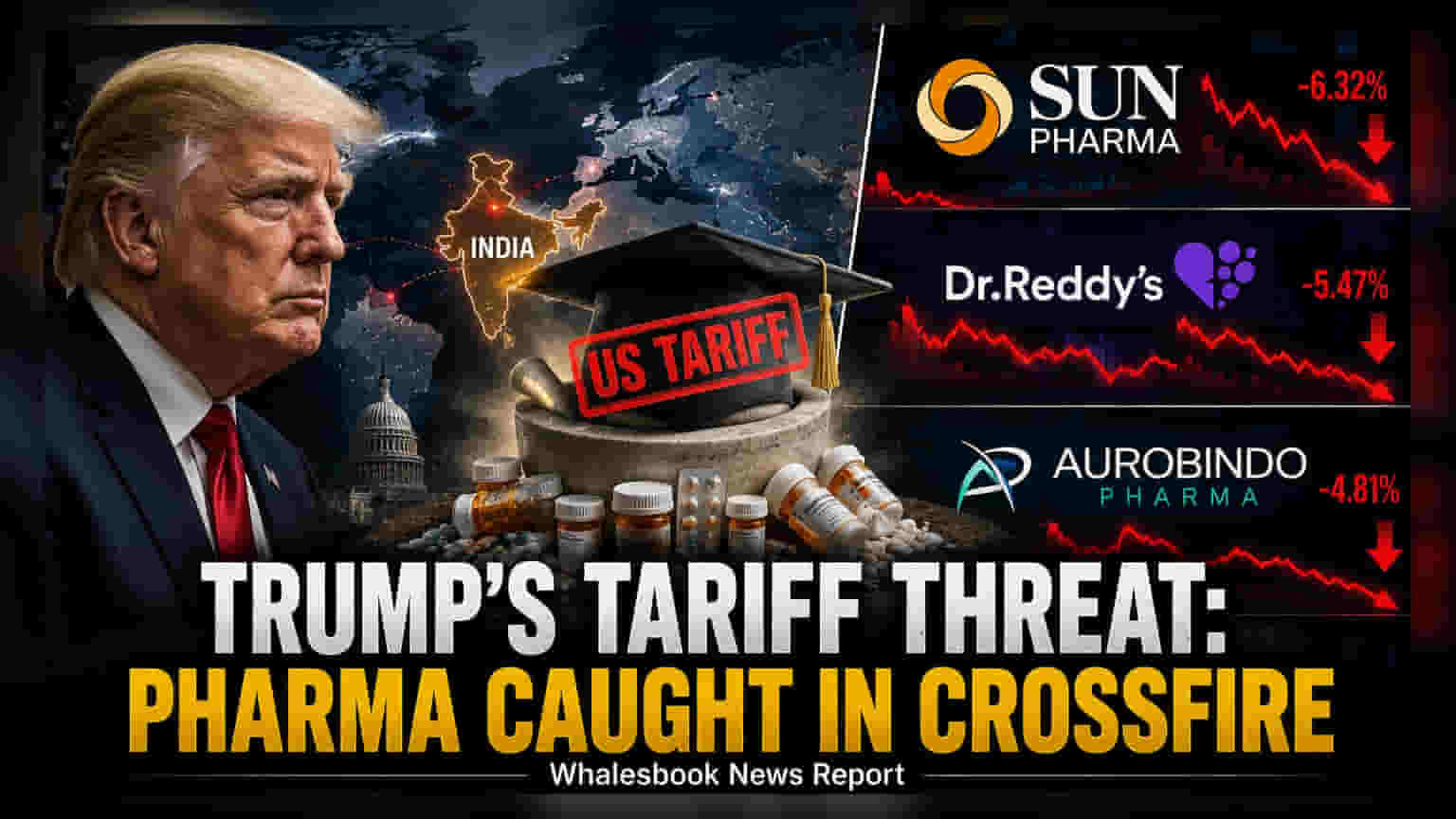
President Trump’s tariff roadmap for generic drug imports starts at 0% until July 2028, before scaling to 200% by August 2029. While the policy aims to encourage US manufacturing, Indian firms, which supply 40% of US generic volume, are advised to wait and watch. Analysts point to significant risks, including US healthcare cost inflation, which may lead to future policy revisions.
US President Donald Trump has introduced a phased tariff roadmap for generic drugs imported into the United States, creating a long-term framework that directly affects India’s pharmaceutical exporters. India is a critical partner in the US healthcare supply chain, accounting for roughly 40% of generic drug volumes sold in the country. The proposed policy outlines a gradual increase in levies, starting with 0% tariffs from August 2026 until July 2028. The rates are then scheduled to jump to 100% in August 2028 and finally to 200% in August 2029.
The Economic Reality for Indian Exporters
The Indian pharmaceutical industry currently operates on a high-volume, low-margin business model. Companies like Sun Pharmaceutical Industries and Dr. Reddy's Laboratories have built their success on cost-efficient manufacturing at scale. These firms typically manage thin profitability margins, meaning they have very little financial room to absorb significant tariffs or relocate their manufacturing facilities to the United States.
Past attempts at US-based manufacturing serve as a practical lesson for the industry. Some Indian companies have previously exited or scaled back US-based facilities due to the high operational costs and lack of a clear path to sustained profitability. For these firms, shifting production back to the US would likely require massive capital spending, which could pressure cash flows and long-term financial stability.
Political Hurdles and Healthcare Costs
Analysts have raised concerns that the tariff plan may face significant political and economic challenges before it reaches the full 200% level. Generic medications are the backbone of US healthcare affordability. Estimates suggest that these tariffs could inflate total prescription drug spending in the US by 8% to 15%. If manufacturers cannot absorb these costs, some drugs could become unprofitable to produce, potentially leading to critical drug shortages in the American market.
Given that these issues directly impact US patients, the policy could become politically unpopular. With the 2028 election year approaching, there is significant speculation that the administration may face pressure to modify or delay the implementation of these tariffs to avoid disrupting healthcare access.
What Investors Should Monitor
For investors in Indian pharmaceutical stocks, the immediate reaction may be driven by sentiment, but the long-term impact remains uncertain. Because there is currently no detailed notification regarding specific product coverage, exemptions, or rules of origin, the market is in a period of transition.
Instead of rushing to conclusions, stakeholders are tracking future government updates on trade policy and potential exemptions for essential medicines. The key monitorable for the next few years will be any formal clarity on the tariff roadmap, shifts in US trade negotiations, and whether the company managements announce any changes to their international supply chain strategies. Until concrete rules are published, the industry's consensus remains focused on wait-and-watch tactics.