

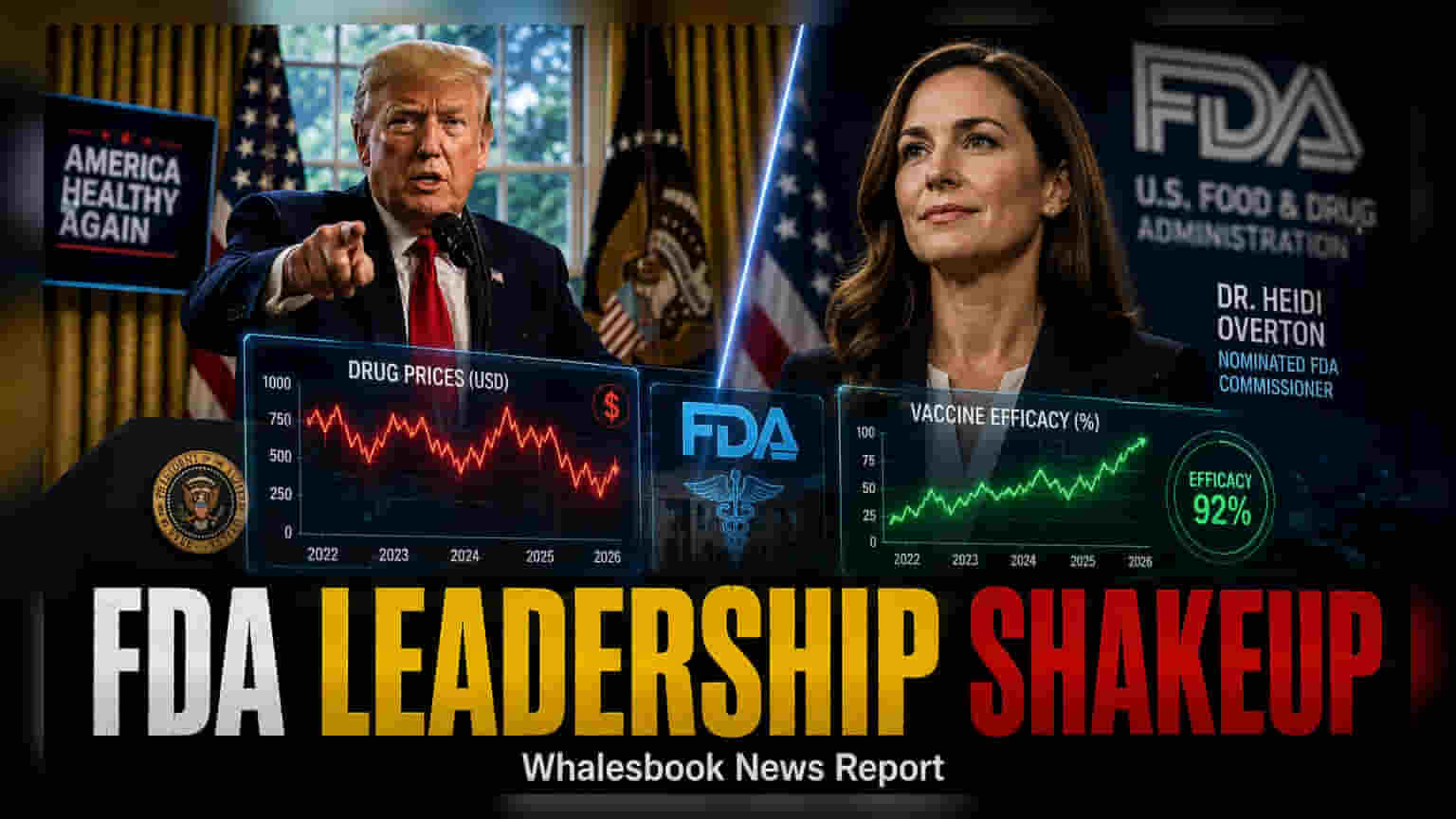
President Donald Trump has nominated Dr. Heidi Overton to lead the FDA, following the vacancy left by the previous commissioner. This transition introduces potential shifts in U.S. drug approval processes and regulatory standards. For Indian pharmaceutical companies that export to the U.S., any changes in FDA policy or oversight mechanisms directly impact their product approvals and compliance strategies.
President Donald Trump has officially nominated Dr. Heidi Overton to serve as the Commissioner of the Food and Drug Administration (FDA). This announcement comes after the agency faced a period of transition following the resignation of former commissioner Dr. Marty Makary in May 2026. Dr. Overton, who currently serves as the deputy director of the White House Domestic Policy Council, is a physician with a background in clinical investigation from Johns Hopkins University.
Implications for the Pharmaceutical Industry
The FDA is one of the most influential regulatory bodies for global pharmaceutical companies. Its decisions on drug approvals, clinical trial standards, and facility inspections directly impact the revenue streams of major Indian pharma exporters. Companies that have significant business exposure to the U.S. market often calibrate their growth strategies based on the FDA's regulatory pace and transparency. Investors typically monitor FDA leadership changes closely, as new commissioners can introduce shifts in policy regarding how quickly drugs are approved or how strictly manufacturing facilities are audited.
Dr. Overton’s nomination coincides with broader administration goals, including the "Make America Healthy Again" movement advocated by figures such as Robert F. Kennedy Jr. Market analysts note that her alignment with these health initiatives may signal changes in areas such as vaccine policies, drug pricing strategies, and the regulation of ultra-processed foods. For the healthcare and biotech sectors, uncertainty regarding how these policy priorities will be implemented is a primary factor. Any move to expedite drug approvals or, conversely, to tighten safety requirements for clinical trials can create both opportunities and challenges for pharmaceutical manufacturers.
Regulatory Stability and Future Oversight
Beyond specific policy shifts, the broader concern for the industry is institutional stability. The FDA has experienced significant staff attrition over the past year, which has led to concerns about the agency's operational efficiency. A new permanent leader, once confirmed, will be expected to address internal challenges, including the management of ongoing drug safety reviews and the handling of emerging health technologies.
Dr. Overton’s confirmation process in the U.S. Senate is expected to be a key monitorable. Her background as a senior White House aide rather than a career regulator has drawn mixed reactions, and her confirmation hearings will likely focus on her experience in food regulation and her stance on contentious health policies. Until the appointment is finalized, industry participants may adopt a wait-and-see approach regarding capital expenditure and new product filings. Investors tracking pharma stocks may look for management commentary on how the company plans to navigate potential shifts in U.S. regulatory standards or inspection protocols.