

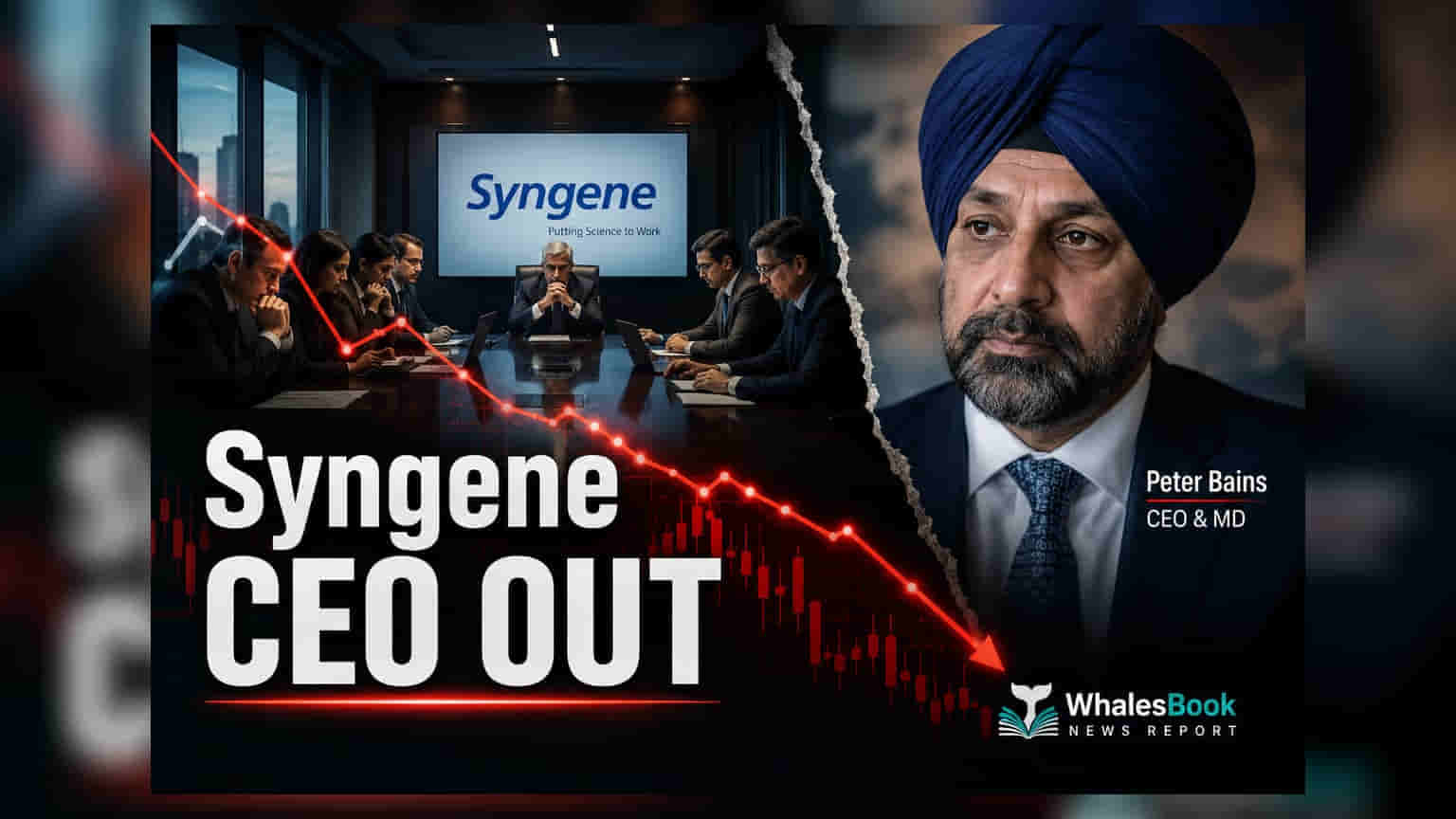
Syngene International announced that CEO Peter Bains has stepped down from his role effective June 30. The company, a subsidiary of the Biocon group, has initiated a planned leadership transition. Investors are now looking for clarity on the new management team and the company's long-term strategic direction.
What Happened
Syngene International, a contract research, development, and manufacturing organization, confirmed in a regulatory filing that its Managing Director and CEO, Peter Bains, has resigned. The resignation took effect at the close of business hours on June 30. Bains stated that his departure followed recent discussions regarding leadership succession and the transition of the CEO role. The company, which is a subsidiary of the Biocon group, has described the move as part of a planned leadership evolution.
Why Leadership Changes Matter
For investors, a change in top leadership often brings questions about the company's future strategy. Syngene operates in the contract research space, where business success depends on long-term relationships with global pharmaceutical and biotech companies. A leadership transition can sometimes lead to changes in operational focus or client engagement strategies. The company has not yet named a successor, and the market typically seeks clarity on the experience and vision of the next leader to understand if there will be any shift in business goals.
Context of the Biocon Group
Syngene is a key part of the Biocon group, which includes Biocon Ltd and Biocon Biologics. The group has been navigating a period of significant growth and capital spending across its various units, including expansion in manufacturing capacities and investments in research facilities. Historically, leadership changes within the group have been managed as part of broader organizational restructuring. Investors often track how new leadership maintains the balance between heavy research spending and the need for steady profit margins in a competitive contract research sector.
The Business Reality Check
Contract research organizations like Syngene face pressure from fluctuating global R&D budgets and the need to maintain high-quality compliance standards. The ability to secure and execute large-scale, multi-year contracts is the primary driver of revenue. As the company moves through this transition, the stability of these client relationships and the ability to continue executing ongoing projects are the most important factors for the business. A leadership gap or a change in direction can sometimes introduce uncertainty regarding the timeline for new project acquisitions.
What Investors Should Track
Following this announcement, the primary monitorables for investors include the official announcement of a new CEO and any commentary from the board regarding changes in business strategy. Additionally, keeping an eye on upcoming quarterly financial results will provide insight into whether the leadership transition has affected day-to-day operations or project delivery schedules. Management’s guidance on long-term growth and capital allocation will also remain crucial for assessing the impact of this transition.