

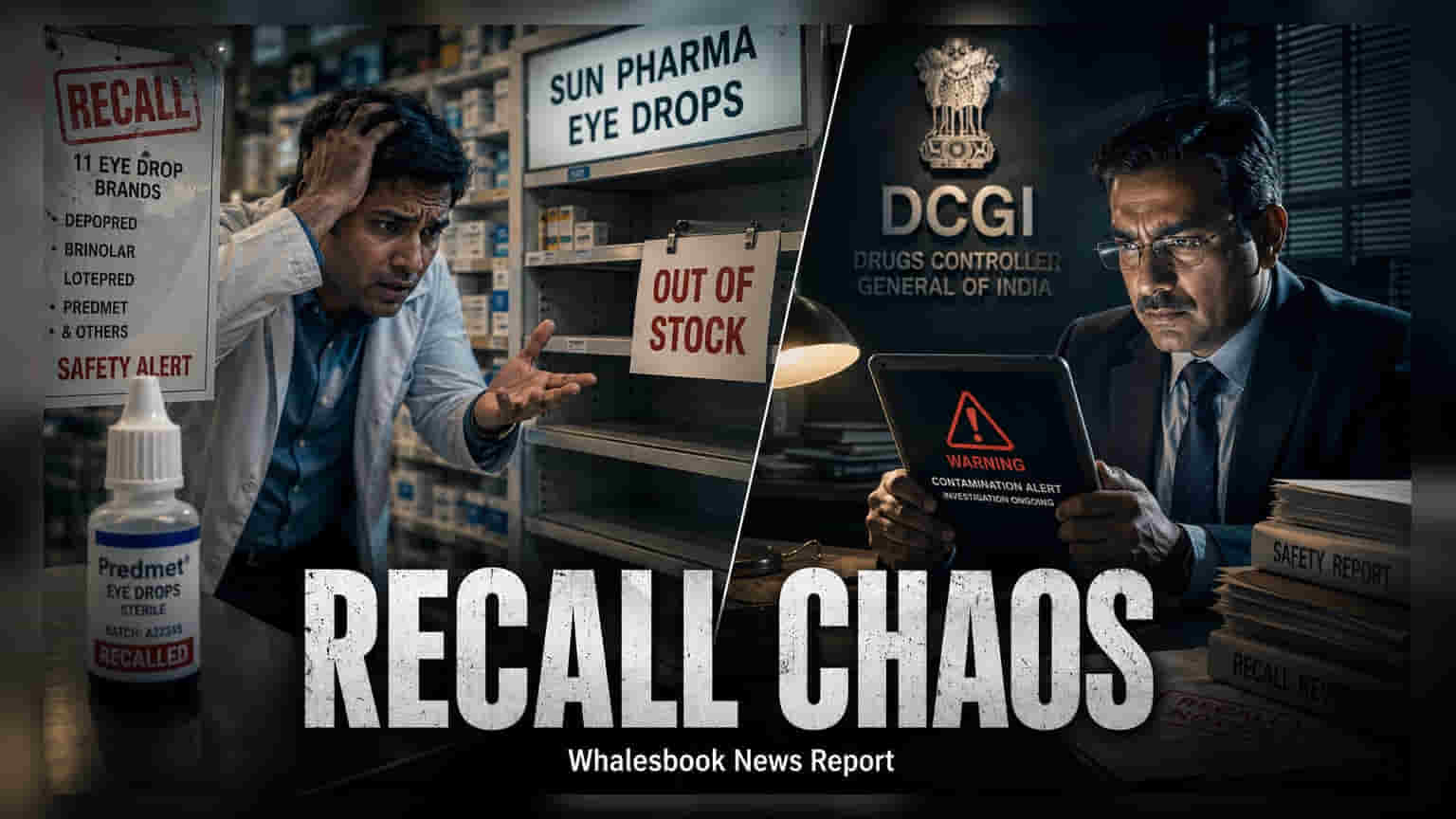
Sun Pharmaceutical Industries is facing questions about its July 2026 voluntary recall of 11 eye drop products. Retailers and health experts have raised concerns that communication gaps led to some of these products remaining on shelves. Investors are tracking how this impacts the company's supply chain control and long-term brand reputation.
In July 2026, Sun Pharmaceutical Industries initiated a voluntary recall of 11 ophthalmic brands, including Depopred, Brinolar, and Lotepred, following safety concerns. The recall followed a June 2026 safety alert issued by the All India Ophthalmological Society regarding bacterial contamination found in batches of 'Predmet' eye drops. While the company described the move as a precautionary measure, the execution of the recall has drawn scrutiny from regulatory experts and market observers due to reports that affected products were still available in the retail market well after the withdrawal announcement.
The core issue for investors lies in the operational challenge of 'last-mile' control within the pharmaceutical supply chain. For a large pharmaceutical company, ensuring that recall instructions reach every distributor and local chemist shop is critical. When products remain on shelves despite a recall, it raises questions about the efficiency of the company's communication and distribution network. Maintaining tight control over these channels is essential, not only for public health but also for maintaining brand trust and regulatory standing.
This incident has sparked a broader conversation among industry experts about the need for real-time digital communication systems to handle such emergencies. The ability to instantly notify retailers and consumers when a product is withdrawn is increasingly being viewed as a necessity for modern pharmaceutical operations. If distribution systems are fragmented, it complicates the removal of products and increases the risk of regulatory penalties or heightened scrutiny in the future. Investors typically assess these situations to understand a company's ability to manage crises and its commitment to quality control standards.
Sun Pharma has maintained that it takes patient safety seriously and is working closely with healthcare professionals and regulatory authorities to manage the situation. The company has established a dedicated helpline to address inquiries from patients and doctors, emphasizing that all necessary steps are being taken in line with regulatory requirements.
For investors, the key monitorable will be any further updates regarding the root cause of the contamination or changes in the company's recall protocols. The ability to prevent recurrence and ensure that communication flows smoothly from the factory to the pharmacy counter remains a standard by which quality management is judged. While voluntary recalls are a regular part of pharmaceutical manufacturing to ensure safety, the focus for stakeholders will be on how the company adapts its internal processes to prevent future communication gaps.