

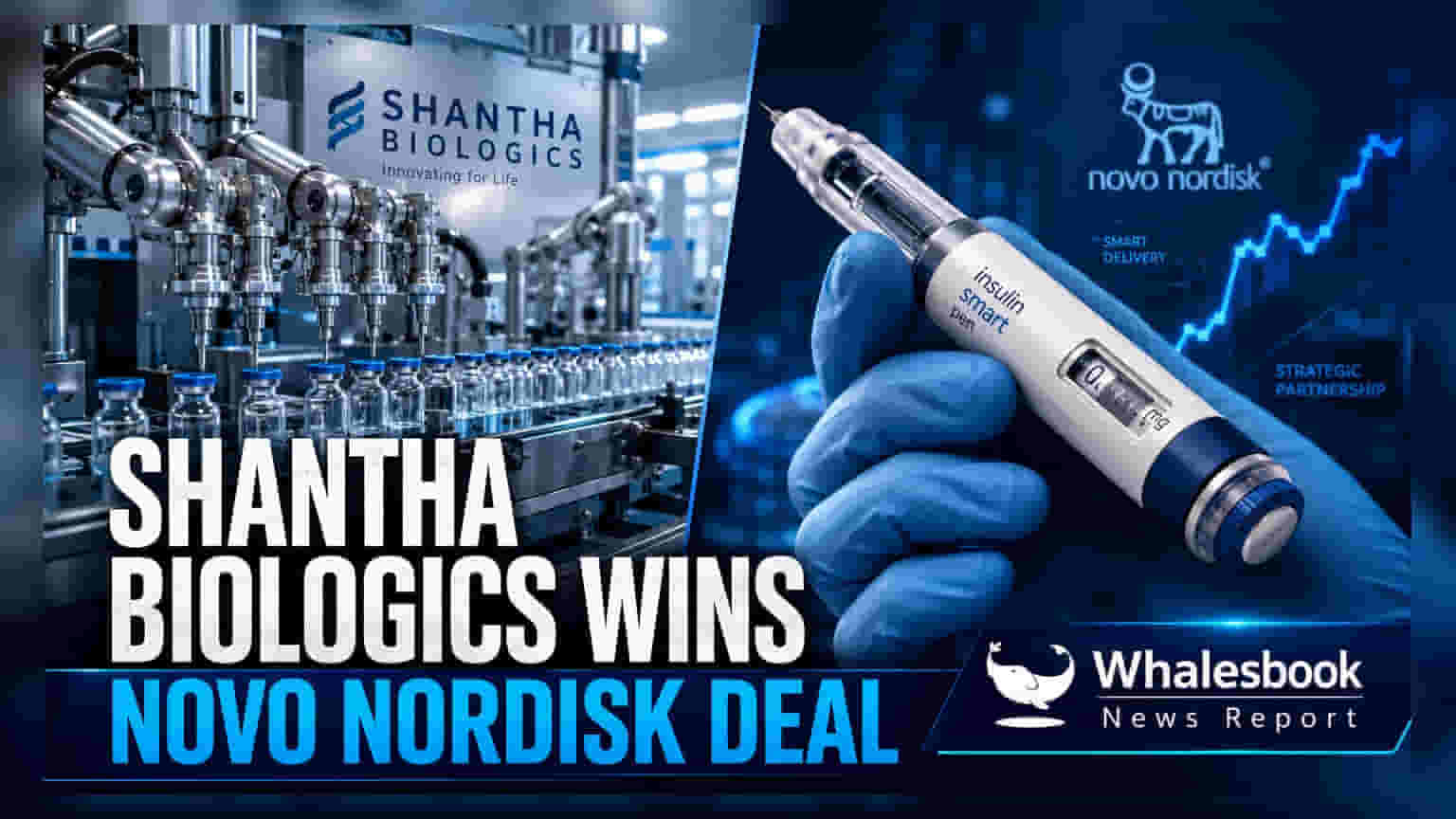
Hyderabad-based Shantha Biologics has secured a contract to manufacture injectable drug cartridges for Danish pharmaceutical company Novo Nordisk. This agreement marks a significant step in producing high-demand diabetes and obesity treatment delivery systems in India. The deal highlights the growing importance of Indian facilities in the complex global pharmaceutical supply chain.
What Happened
Shantha Biologics, a subsidiary of the global pharmaceutical major Sanofi, has announced a new contract manufacturing agreement with Denmark-based Novo Nordisk. Under this partnership, the Hyderabad-based company will manufacture cartridges used in injectable medicines. These cartridges are critical components for pen-based injectors, which are commonly used for administering insulin and drugs designed to treat obesity and diabetes.
While the financial terms and specific production volume targets have not been disclosed, the deal signals a deeper integration of Indian manufacturing sites into the global supply chains of multinational drug innovators.
Why This Matters For The CDMO Sector
The pharmaceutical industry is increasingly turning to Contract Development and Manufacturing Organizations (CDMOs) to handle complex manufacturing tasks. This partnership is notable because it involves "fill-finish" services. This process involves filling sterile drug formulations into pre-filled cartridges, which is a technically demanding step. As demand for sophisticated injectables—particularly for chronic conditions like obesity and diabetes—continues to rise globally, companies are looking for reliable sites that can manage these high-precision manufacturing requirements at scale.
By securing this contract, Shantha Biologics is moving beyond basic production and positioning itself as a partner capable of meeting the stringent requirements of global pharmaceutical leaders. This reflects a broader trend where Indian facilities are upgrading their technical capabilities to handle advanced biologics and injectable devices, rather than focusing solely on low-cost generic drugs.
The Complexity Of Injectable Manufacturing
Manufacturing for injectables is not the same as producing simple oral pills. It requires sterile environments, precise automation, and complex handling of delicate drug compounds. The Hyderabad facility involved in this project is already automated and holds approval from the U.S. Food and Drug Administration (FDA). Such regulatory approvals are vital for any Indian manufacturer hoping to work with global clients, as they provide the necessary quality assurance required for products sold in regulated markets.
Regulatory And Execution Risks
For investors and observers, partnerships of this nature come with specific operational risks. The primary challenge in the CDMO business is maintaining consistent quality and regulatory compliance. Any issue with sterility or production standards could lead to product recalls or rejection by the drug developer. Additionally, the company must manage execution risk—the possibility of delays in scaling up production or meeting the tight delivery timelines required by a high-demand product like diabetes medication.
Because the pharmaceutical sector is heavily regulated, these manufacturing sites must pass regular audits. Changes in FDA policies or global manufacturing standards could potentially impact the facility’s ability to serve international clients if requirements become stricter.
What Investors Should Monitor
For those tracking the broader pharmaceutical and healthcare landscape, the key monitorables include the timeline for the production ramp-up at the Hyderabad site and the impact on the company's workforce and infrastructure investment. Observers may also watch for further announcements regarding the scale of the partnership, as the revenue contribution of such deals depends on the successful long-term execution of these manufacturing contracts.