

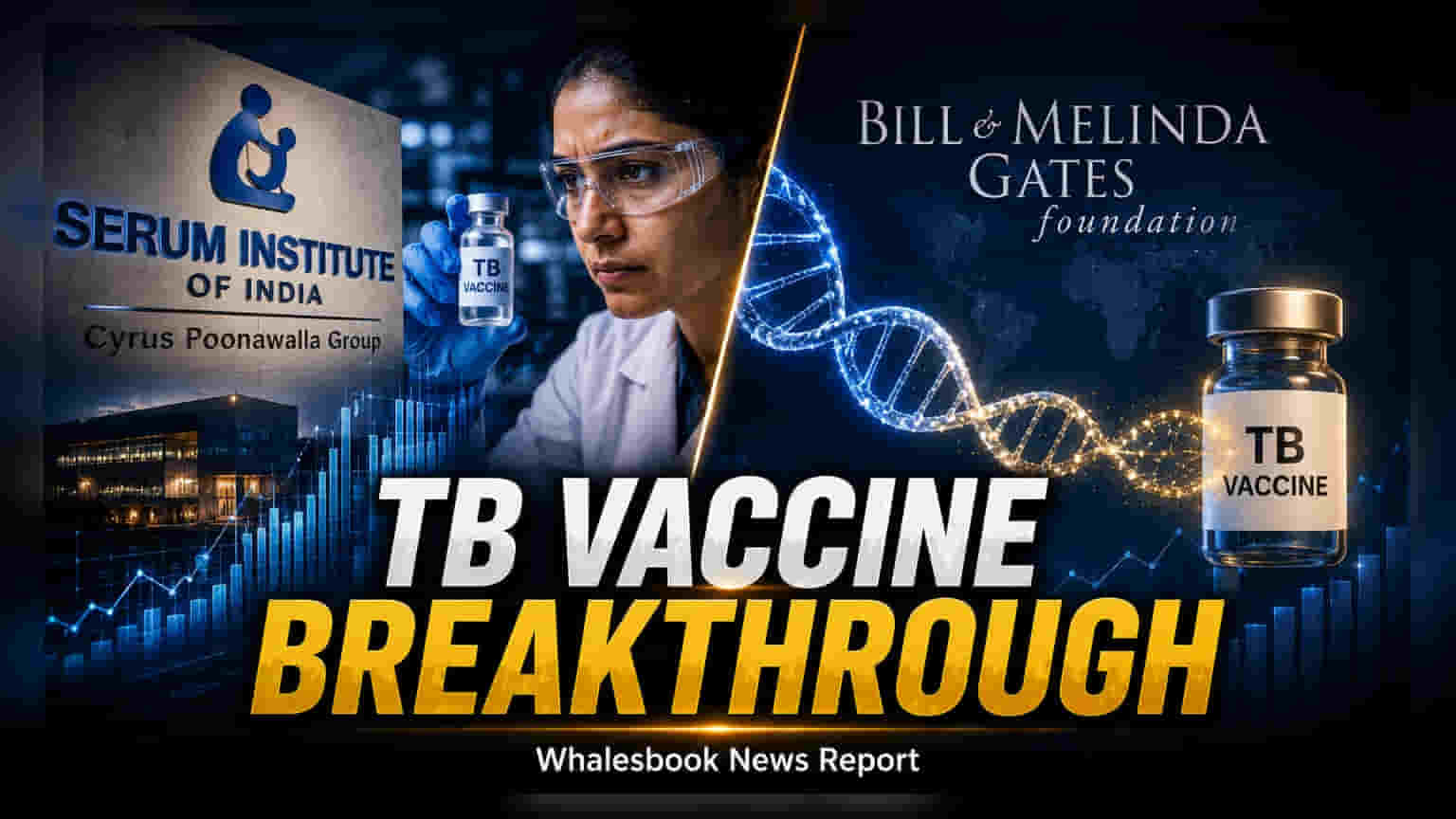
Serum Institute of India has partnered with the Gates Medical Research Institute to manufacture the M72/AS01E tuberculosis vaccine candidate. The company plans to spend over $100 million to build production capacity for this potential breakthrough. This project aims to address the global TB crisis, which continues to impact millions of lives annually, especially in countries like India.
Serum Institute of India, one of the world's largest vaccine manufacturers, has entered into a collaboration with the Gates Medical Research Institute to produce the M72/AS01E tuberculosis vaccine candidate. This vaccine is currently undergoing late-stage clinical trials. If the vaccine successfully clears all regulatory approvals, it could become the first new tuberculosis vaccine introduced in over a century.
Manufacturing and Financial Commitment
To prepare for large-scale production, Serum Institute has committed a capital investment exceeding $100 million. This money will be used to expand manufacturing facilities and establish the infrastructure needed to supply the vaccine globally once it receives the necessary approvals. The collaboration includes a technology transfer from the Gates Medical Research Institute, allowing the vaccine antigen to be produced at Serum Institute’s facilities. The global pharmaceutical company GSK will provide the AS01E adjuvant, a specialized component that helps the vaccine trigger a stronger immune response in patients.
Addressing the Tuberculosis Burden
Tuberculosis remains a significant public health challenge, particularly in regions like India, Indonesia, and the Philippines. According to World Health Organization reports from 2024, there were approximately 11 million new cases of the disease, resulting in over 1.2 million deaths. Public health experts suggest that a successful vaccine with the efficacy profile of M72/AS01E could prevent millions of new cases in the coming decades, potentially reducing the economic burden on households heavily impacted by the disease.
Strategic Context and Future Outlook
For Serum Institute, this partnership marks a shift toward manufacturing complex, next-generation vaccines for infectious diseases. While the company is well-known for its high-volume production of established vaccines, this project involves scaling up a candidate that is still in late-stage testing. The primary risk for any project at this stage is the success of clinical trials and the timeline for regulatory clearance across different countries. Investors and health observers should track the progress of the phase 3 clinical trials, the timeline for regulatory submissions, and the eventual commissioning of the new manufacturing lines. The successful commercialization of this vaccine will depend on the final trial data, global manufacturing speed, and the uptake of the vaccine by governments in high-burden countries.