

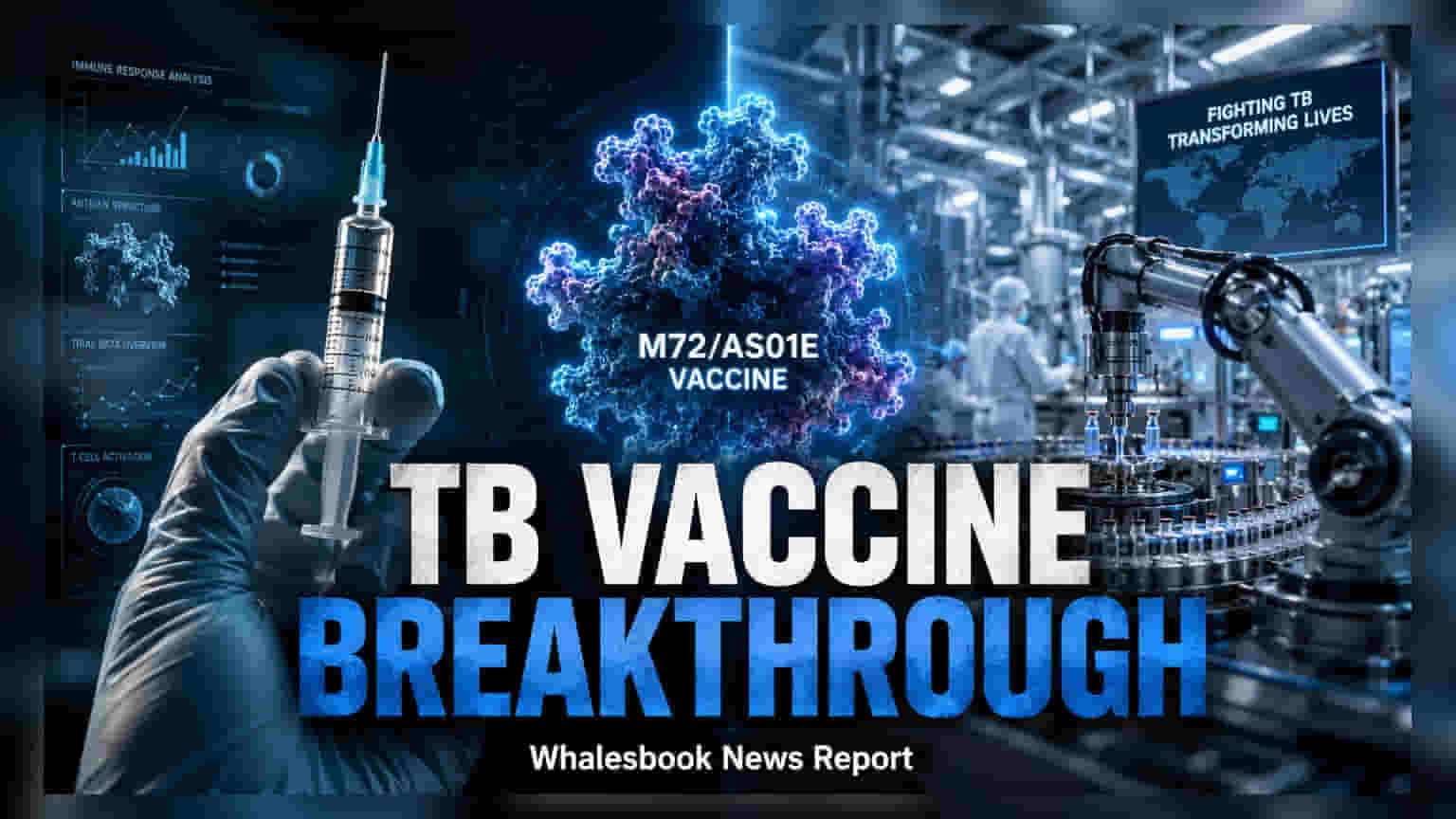
The Serum Institute of India (SII) has signed an agreement with the Gates Medical Research Institute to manufacture the M72/AS01E tuberculosis vaccine. The company will invest over $100 million to build production capacity, aiming to support global access once clinical trials are complete and regulatory approvals are granted.
The Serum Institute of India (SII) has secured a significant manufacturing partnership with the Gates Medical Research Institute to produce the M72/AS01E tuberculosis vaccine. This project marks a major step in the effort to combat tuberculosis, a disease that remains a leading cause of death globally, particularly in low- and middle-income regions. As part of this agreement, SII has committed to a capital investment of more than $100 million to expand its manufacturing facilities and prepare for large-scale production.
Scaling Production for Global Reach
Unlike traditional vaccine development where production begins only after final approvals, the collaboration focuses on early technology transfer. SII plans to prepare its manufacturing lines in anticipation of positive outcomes from the ongoing Phase 3 clinical trials. The company will produce the vaccine antigen, while GSK will supply the AS01E adjuvant. This proactive approach is designed to shorten the time between potential regulatory clearance and the actual rollout of the vaccine to high-burden countries.
By building capacity now, SII aims to ensure that if the vaccine receives necessary approvals, it can be distributed quickly. The initiative also includes plans to work with local manufacturers in Indonesia and South Africa, which may help the company create a more resilient supply chain and improve equitable access to the vaccine.
Clinical Context and Competitive Landscape
The M72/AS01E vaccine is currently in Phase 3 clinical trials, which completed participant enrollment in early 2025 across several countries, including South Africa, Kenya, and Indonesia. Previous Phase 2b study data indicated that the candidate could provide approximately 50% protection against the progression of pulmonary tuberculosis in certain adult populations. If successful, the vaccine could significantly reduce the global burden of the disease and lower associated economic costs.
India has a growing ecosystem of companies working on tuberculosis prevention. Apart from SII, other major players are also advancing their own candidates. For example, Bharat Biotech is currently conducting Phase 3 trials for MTBVAC, a live-attenuated vaccine candidate developed by the University of Zaragoza and Biofab. Additionally, Cadila Pharmaceuticals has collaborated with the Indian Council of Medical Research (ICMR) on Immuvac. These efforts highlight the active role Indian manufacturers are playing in the global biotechnology and vaccine sector.
For investors and market observers, the next critical updates to track include results from the ongoing Phase 3 clinical trials, subsequent regulatory filings in India and international markets, and the timeline for when the company begins commercial-scale production. The success of this vaccine will depend on its clinical efficacy results, the speed of international regulatory approval, and the company's ability to manage its capital spending effectively while maintaining its existing product portfolio.