

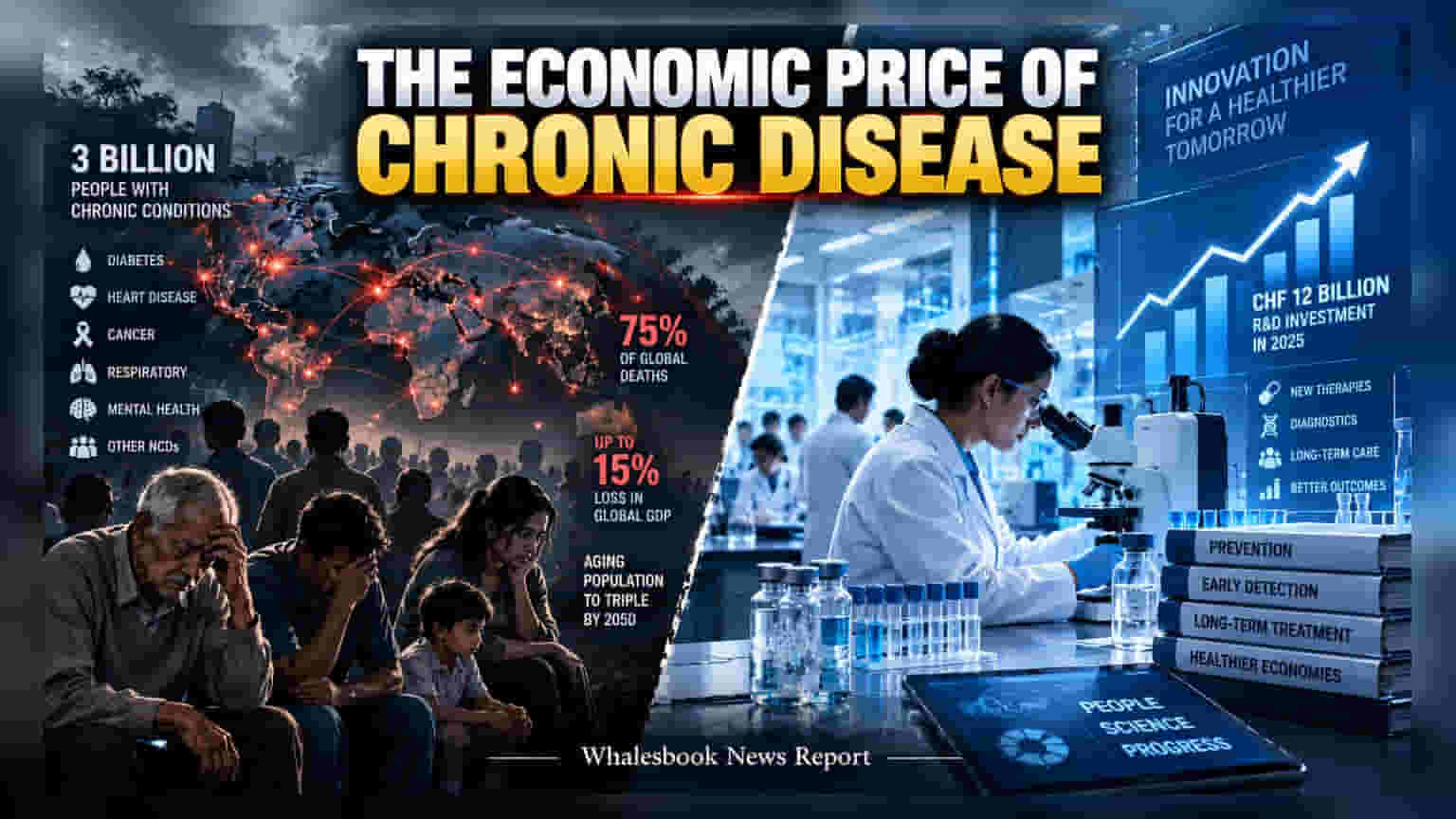
Roche Pharma International head Jörg Rupp warns that rising non-communicable diseases pose a systemic risk to the global economy, with 3 billion people affected. This shift toward chronic conditions is driving the pharmaceutical industry to prioritize long-term, continuous care over traditional episode-based treatments. For investors, this indicates a structural pivot in the healthcare sector, favoring companies investing heavily in R&D for chronic therapies.
The rising burden of non-communicable diseases (NCDs) is becoming a major drag on the global economy, according to Jörg Rupp, Head of Pharma International Areas at Roche. Rupp highlighted that 3 billion people globally live with chronic conditions, which now account for approximately 75% of global deaths. This health crisis poses a systemic risk to global productivity, with poor health estimated to extract up to 15% from annual GDP in lost output.
The warning highlights a fundamental shift in the pharmaceutical business model. Historically, healthcare systems and drug manufacturers focused on acute, episode-based interventions. The current data suggests a transition is required toward a continuous care model that manages long-term health, rather than treating illnesses only when they become severe. This pivot is critical as the population over the age of 65 is projected to triple by 2050, putting further strain on existing healthcare infrastructure.
For investors, this trend validates the strategic pivot seen across the global pharmaceutical sector. Companies are increasingly moving away from simple drug manufacturing toward holistic care management, which includes diagnostics, long-term monitoring, and integrated patient support. This transition requires significant capital and long-term commitment. For instance, Roche allocated CHF 12 billion to research and development (R&D) in 2025, underscoring the high cost of innovation required to address these persistent health challenges.
While this shift creates potential for long-term revenue, it also brings specific risks. Pharmaceutical companies face substantial execution risks and high R&D costs as they develop new therapies for complex chronic conditions. Investors should monitor how these firms manage high development expenses without creating excessive pressure on profit margins. Additionally, the success of this model relies on the integration of genetic, environmental, and lifestyle data, which may face regulatory and privacy hurdles.
In the Indian context, many major pharmaceutical firms have been steadily increasing their focus on chronic therapy segments such as diabetes, oncology, and cardiovascular health. This global outlook supports the long-term demand for such therapies in domestic and export markets. The next critical update for investors will be observing the success rates of these R&D pipelines and how government healthcare policies adapt to fund continuous, long-term care models compared to traditional ones.