

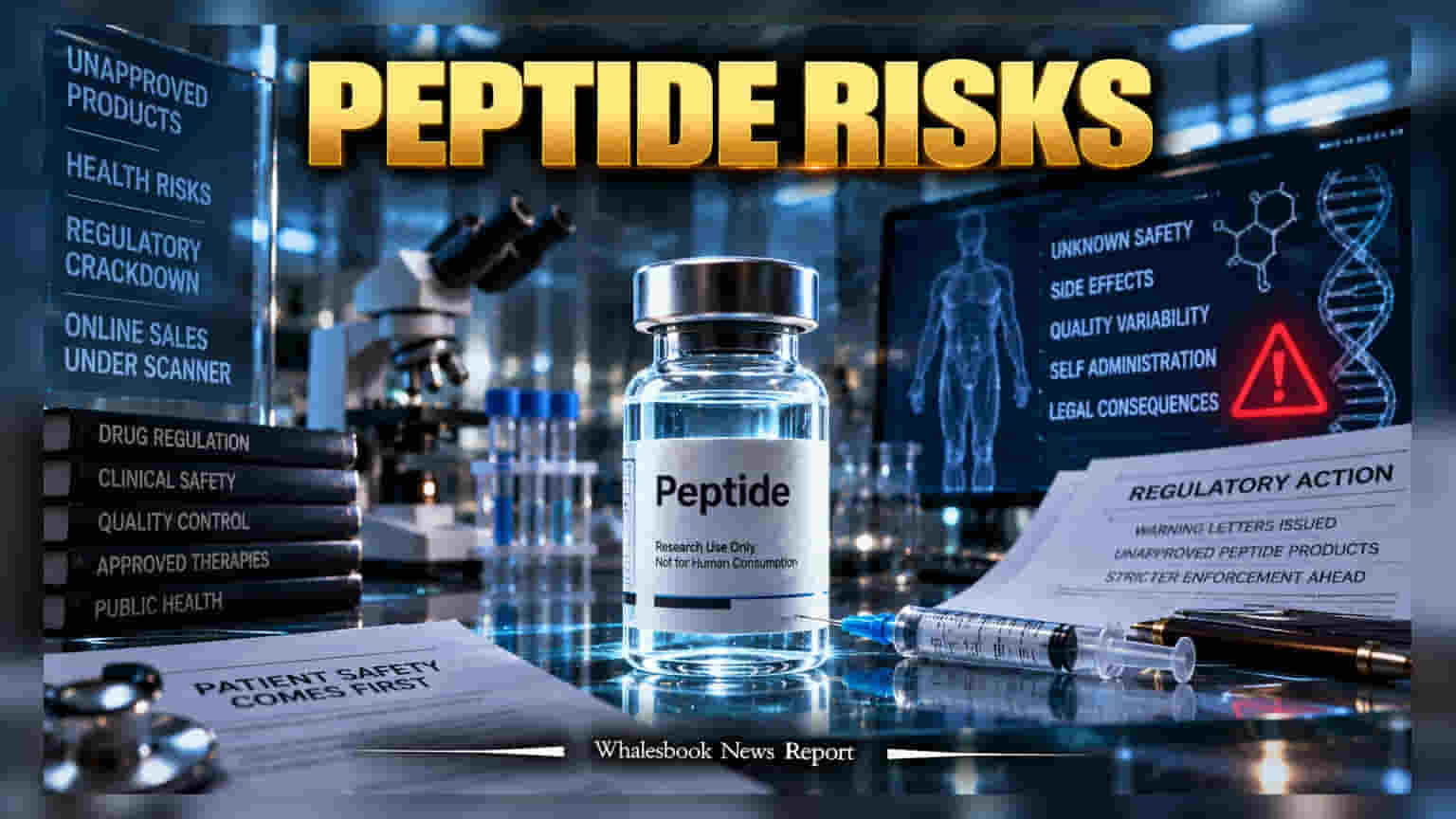
Authorities are intensifying enforcement against the sale of unapproved injectable peptides, following the cancellation of a promotional event in Bengaluru. The crackdown comes as regulators like the FDA and local health bodies focus on the risks of experimental 'biohacking' products. For investors, this marks a period of tightening oversight in the health and wellness sector, as authorities target gray-market operators selling substances without medical authorization.
Regulatory authorities are escalating their scrutiny of the 'gray market' for injectable peptides, following a recent intervention in Bengaluru where a planned 'Peptide Party' was cancelled by the Karnataka Food Safety and Drug Administration. The incident highlights a growing tension between the rise of online 'biohacking' wellness trends and the enforcement of established pharmaceutical and health safety laws. Across the globe, agencies, including the US FDA, have also begun issuing warning letters to online vendors selling unapproved peptide-based products, signaling a more aggressive stance against the unauthorized distribution of these substances.
The core issue for regulators is the clear distinction between clinically validated, FDA-approved peptide therapies and the experimental compounds often marketed directly to consumers. While peptides such as insulin or certain GLP-1 agonists are essential, medically supervised treatments, many substances sold online under the same classification lack rigorous clinical safety trials or quality control standards. Medical experts emphasize that the chemical complexity of these compounds means that even slight variations in structure or dosage can have vastly different effects on the human body, posing significant health risks when used without professional supervision.
From an investor perspective, this development underscores a period of increased regulatory risk for entities operating in the vague space between the regulated pharmaceutical industry and the broader nutraceutical or wellness market. Companies that operate on the fringes, bypassing medical licensing requirements or selling substances without regulatory approval, are facing heightened enforcement risks. Regulatory bodies are focusing not only on product safety but also on the marketing practices of companies that bypass traditional medical channels, often relying on social media influencers to drive demand for unapproved treatments.
Investors monitoring the healthcare and biotechnology sectors may observe a growing divide between established, compliant corporations and gray-market entities. While the legitimate peptide therapeutics market continues to grow, driven by genuine medical innovation, the unregulated sector is now encountering significant headwinds. The primary risk for companies in this space is the potential for sudden regulatory shutdowns, product recalls, and legal action, which can create volatility and business disruption. As enforcement actions increase, the focus for the industry will remain on regulatory compliance, product validation, and the standard of evidence required to bring health-related products to market.